
OBITUARY
George (Jure) Bubas
29 January, 1934 – 3 July, 2016
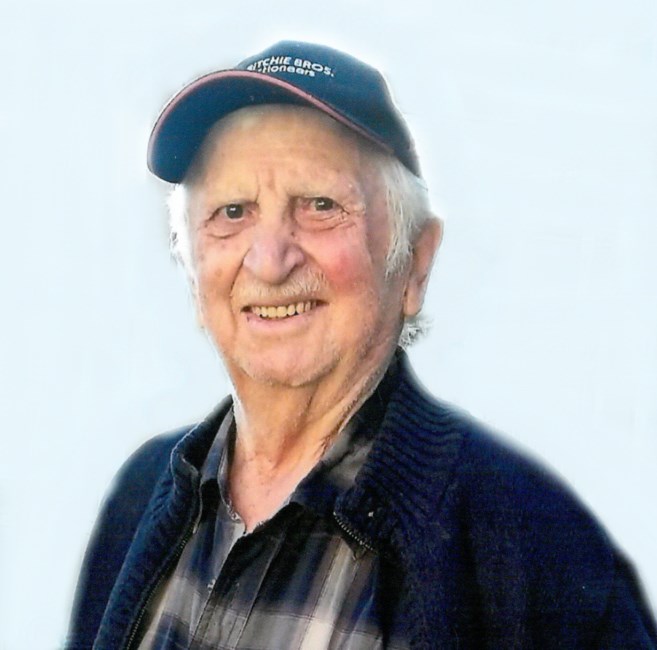
George was always asked one question, “How old was he?”
People were amazed when they saw him on a jobsite, still working at the age of 75.
They would come up to him and ask,
“Are you still around?”
“Why aren’t you retired?”
Or the best one, “Aren’t you dead yet?”
One time, a foreman was extremely inquisitive and relentlessly asked a series of pointed questions throughout the workday. By the end of the shift, he figured out how old George was. George was pretty annoyed but he gave credit to the fellow for figuring it out.
But as the years went on, George acknowledged that his brother-in-law had the best answer, “God must have forgotten my address”.
So back to the question, how old was George?
The first car that he ever drove was a Ford Model T – he broke his wrist turning the crank starter.
He was born in Kaniza, Croatia at home, not in a hospital.
When his mother died, he received a telegram, not a text.
And when you wanted an instant picture, you used a Kodak Instamatic, not an iphone.
You knew how old he was based upon his name. Christened Jure Bubas, he was the last of twelve children. But Jure quickly acquired the family nickname of “Saran”, which was appropriate as he had tons of freckles and a mop of red hair.
He started work early in life. His first job was at the age of 7. He was a shepherd tending to the family flock of sheep. But even then, he was a troublemaker, making two rams to fight each other with their horns. As a teenager, he saw World War II and the poverty that came with it. For a time, he had no shoes. When he did get a pair, they were sizes too big for him, but they were still shoes.
When he grew up, he worked as a chauffeur with his brother. He was then conscripted into the Yugoslavian army. In 1956, he decided to leave his homeland. However, at the time, no one was permitted to leave the country. He wanted to escape. He wanted to try ‘the new world’.
With only a compass and rudimentary maps, he escaped on foot, through the valleys and the forests of Austria until he reached Germany. When he crossed the German border, he found the first police station and asked for asylum. He was smart. Back then, George knew that the rule was that you were returned to the country from which you had just come. Well, he had just come from Austria, so he was sent back there. The Germans didn’t want him, the Austrians didn’t want him. Thankfully, Canada did.
George arrived by boat in Montreal on Christmas Day in 1957. As he used to tell the story, it was only 25 below. It was so cold, that you could see your breath.
He arrived in summer clothes. He did not know anyone. He did not have any money. He spoke neither English nor French. Luckily, a priest gave him twenty dollars. This was the beginning of his new life in Canada.
He endured. He went to live in Kenaston, Saskatchewan. A dot on the Canadian map. A place in the winter that was even colder than Montreal due to the wind chill. Where he put newspaper into his shoes to keep extra warm. A small village, populated by Croatian immigrants, who farmed. Although he loved the farm, he was no farmer. Tinkering with machinery was more to his liking. Just like his own father.
George became a licensed mechanic, moving to Victoria and finally to Vancouver. He went into business with a partner opening a garage together. However, the partnership proved to be difficult. So he struck out on his own. He bought a dump truck and a bulldozer. He then made the conversion to backhoes which continue to this day.
How George loved to work. In the great snowfall of 1965, his great stamina was exhibited when he worked 72 hours straight for the City of Vancouver providing salt, before they told him to go home. He enjoyed a productive fifty plus years working on many key buildings and landmarks throughout evolving Vancouver. One of his great joys was working on the Hollow Tree Restoration project with his son, Gregory.
He loved to work with people. He learned how to greet people in their native language and make them feel comfortable. Dobro Jutro. Bonjour. Ciao. Joy San. Sasirigal. Even in his final days, he learned to say “Thank you” to his Pilipino care attendants. Maraming Salamat.
George loved to work with his hands. Like the legendary inventor, Nikola Tesla, who had lived nearby in Gospic and whom he admired, George would tinker and create. He made a go-cart for his son from pieces of lawnmovers and two by fours. He also would create tools to assist him in his business.
However, his greatest joy was reserved for the family and friends. The most apt description for George was “jolly”. He was a jolly man. He amused his wife, Katica, for 54 years. However, she was not amused when it came to the vegetable garden. He called it the “Bubas Farm”. Every spring, he delivered a load of manure with his dump truck but when it came to shovelling, he escaped into thin air. He was nowhere to be found. But when the lettuce and tomatoes were ready, the farm boy came with his straw hat and filled it up with the fresh produce.
For his many friends, he was known as a story teller. He would say, “I remember when...” and then go with a story about the old country or his early Canadian adventures.
During his final months of his life, he tried to get out every day to see the old boys and share laughs and stories at Starbuck’s Coffee. Some days you could see it was a true struggle but it gave him a purpose to get up in the morning. Although he was not a card player, he also enjoyed the friendship of the old boys in the Croatian Centre backroom.
George also had a special spot in his heart for dogs. He just loved dogs. And they loved him back. His dog, Medo (or Bear) in Canada, was his favorite. Medo instinctively knew when George was coming back to the yard. Wherever the dog was, it ran to the back fence. If the dog was indoors, it scratched at the door to get out. When George arrived with his dump truck, he would open the gate and the dog would jump on him with glee.
Every man has many names. Jure, Saran, George, Georgie to the closest of friends, Tata (dad) and finally Did (Grandpa). And perhaps some other names, not repeatable here.
Every man wears many hats. And George had many. The Lickci hat from the old country, a soldier’s hat, a fedora hat which he often forgot to take home and had to retrieve it later, a hard hat for the construction sites, a cowboy hat standing in front of old cars, a straw hat for the Bubas farm, a sombero for the serenades to the dog, a Ritchie Bros cap from the auctions he had attended and for his granddaughter Cristina who liked to take it off his head. Finally, a soft blue cap to keep his head warm. A cap that he was wearing on his final day.
Every man owns different cars. And so did George. From the first crank of the Model T to Ford Fairlane to the Buick to his prized Lincoln Continental which Princess Margaret was in during her Royal Tour of Canada in 1957.
One man’s life is full of many decisions. His most important decision was to make that arduous trek through Austria. Because he chose a different path, he opened a door to a brand new life. One that his ancestors could never have imagined, from a small village in Croatia to a big city in Canada. His choice also changed the life of his wife, his children, his brother and his sister-in-laws. In turn, they too would sponsor the other members of the extended family.
Now, all of our lives are different than they would have been. We and our descendants will no longer tread on the well worn foot paths of meadows, cow pastures and plow fields, created by our ancestors. We will only hear the Croatian mandolins played at a Sunday picnic or in the church or on special occasions. We will straddle both worlds – from the old country to the ever changing new world.
We now walk on sidewalks and drive on paved streets. Those wheelchair accessible sidewalks, which he helped build, make all the difference for his handicapped daughter, Caroline, and her other disabled friends. The sewer lines, which he helped lay, mean no more walks to the outhouse in the back of the farm. Instead of well water brought in with a pail, it now drips from a faucet.
George merely opened the door for his family and his employees. However, it is up to each of us to seize the opportunity. We all have our differences, but in life, it is up to us to make a difference.
So think of him on a winter’s day. It will be in the early morning hours. Light snow will be falling and there will be a quiet hush. He will be standing beside you, waiting to get into his backhoe to clear the snow. And he will be jolly. He might even tell you a story, “I remember when I was in Saskatchewan….” And you will listen. And in that cold winter air, you can see his breath.
And then, it is gone.
* * * * * * * * * *
It is with profound sadness that we announce the passing of our beloved husband, father and grandfather. Predeceased by his eleven brothers and sisters, George will be deeply missed by his wife Katica of 54 years, daughters Rosanne & Caroline, son Gregory (Teresa) & his granddaughters Jaya & Cristina. He is also survived by relatives in Canada, Croatia & Germany. Having emigrated from Yugoslavia in 1957, George was a hard worker having run his own business for over 45 years. A devoted family man, we will miss his stories, his quick wit and his great sense of humour. Prayers will be offered at 7:00 pm on Friday July 15 at the Immaculate Heart of Mary Croatian Church 3105 East 1st Avenue, Vancouver where a Funeral Mass will be celebrated at 10:00 am on Saturday July 16. Interment to follow at Ocean View Burial Park. In lieu of flowers, donations are gratefully accepted in memoriam to the BC Lung Association 2675 Oak Street Vancouver, BC V6H 2K2.
EULOGY FOR GEORGE BUBAS
George was always asked one question, “How old was he?”
People were amazed when they saw him on a jobsite, still working at the age of 75.
They would come up to him and ask,
“Are you still around?”
“Why aren’t you retired?”
Or the best one, “Aren’t you dead yet?”
One time, a foreman was extremely inquisitive and relentlessly asked a series of pointed questions throughout the workday. By the end of the shift, he figured out how old George was. George was pretty annoyed but he gave credit to the fellow for figuring it out.
But as the years went on, George acknowledged that his brother-in-law had the best answer, “God must have forgotten my address”.
So back to the question, how old was George?
The first car that he ever drove was a Ford Model T – he broke his wrist turning the crank starter.
He was born in Kaniza, Croatia at home, not in a hospital.
When his mother died, he received a telegram, not a text.
And when you wanted an instant picture, you used a Kodak Instamatic, not an iphone.
You knew how old he was based upon his name. Christened Jure Bubas, he was the last of twelve children. But Jure quickly acquired the family nickname of “Saran”, which was appropriate as he had tons of freckles and a mop of red hair.
He started work early in life. His first job was at the age of 7. He was a shepherd tending to the family flock of sheep. But even then, he was a troublemaker, making two rams to fight each other with their horns. As a teenager, he saw World War II and the poverty that came with it. For a time, he had no shoes. When he did get a pair, they were sizes too big for him, but they were still shoes.
When he grew up, he worked as a chauffeur with his brother. He was then conscripted into the Yugoslavian army. In 1956, he decided to leave his homeland. However, at the time, no one was permitted to leave the country. He wanted to escape. He wanted to try ‘the new world’.
With only a compass and rudimentary maps, he escaped on foot, through the valleys and the forests of Austria until he reached Germany. When he crossed the German border, he found the first police station and asked for asylum. He was smart. Back then, George knew that the rule was that you were returned to the country from which you had just come. Well, he had just come from Austria, so he was sent back there. The Germans didn’t want him, the Austrians didn’t want him. Thankfully, Canada did.
George arrived by boat in Montreal on Christmas Day in 1957. As he used to tell the story, it was only 25 below. It was so cold, that you could see your breath.
He arrived in summer clothes. He did not know anyone. He did not have any money. He spoke neither English nor French. Luckily, a priest gave him twenty dollars. This was the beginning of his new life in Canada.
He endured. He went to live in Kenaston, Saskatchewan. A dot on the Canadian map. A place in the winter that was even colder than Montreal due to the wind chill. Where he put newspaper into his shoes to keep extra warm. A small village, populated by Croatian immigrants, who farmed. Although he loved the farm, he was no farmer. Tinkering with machinery was more to his liking. Just like his own father.
George became a licensed mechanic, moving to Victoria and finally to Vancouver. He went into business with a partner opening a garage together. However, the partnership proved to be difficult. So he struck out on his own. He bought a dump truck and a bulldozer. He then made the conversion to backhoes which continue to this day.
How George loved to work. In the great snowfall of 1965, his great stamina was exhibited when he worked 72 hours straight for the City of Vancouver providing salt, before they told him to go home. He enjoyed a productive fifty plus years working on many key buildings and landmarks throughout evolving Vancouver. One of his great joys was working on the Hollow Tree Restoration project with his son, Gregory.
He loved to work with people. He learned how to greet people in their native language and make them feel comfortable. Dobro Jutro. Bonjour. Ciao. Joy San. Sasirigal. Even in his final days, he learned to say “Thank you” to his Pilipino care attendants. Maraming Salamat.
George loved to work with his hands. Like the legendary inventor, Nikola Tesla, who had lived nearby in Gospic and whom he admired, George would tinker and create. He made a go-cart for his son from pieces of lawnmovers and two by fours. He also would create tools to assist him in his business.
However, his greatest joy was reserved for the family and friends. The most apt description for George was “jolly”. He was a jolly man. He amused his wife, Katica, for 54 years. However, she was not amused when it came to the vegetable garden. He called it the “Bubas Farm”. Every spring, he delivered a load of manure with his dump truck but when it came to shovelling, he escaped into thin air. He was nowhere to be found. But when the lettuce and tomatoes were ready, the farm boy came with his straw hat and filled it up with the fresh produce.
For his many friends, he was known as a story teller. He would say, “I remember when...” and then go with a story about the old country or his early Canadian adventures.
During his final months of his life, he tried to get out every day to see the old boys and share laughs and stories at Starbuck’s Coffee. Some days you could see it was a true struggle but it gave him a purpose to get up in the morning. Although he was not a card player, he also enjoyed the friendship of the old boys in the Croatian Centre backroom.
George also had a special spot in his heart for dogs. He just loved dogs. And they loved him back. His dog, Medo (or Bear) in Canada, was his favorite. Medo instinctively knew when George was coming back to the yard. Wherever the dog was, it ran to the back fence. If the dog was indoors, it scratched at the door to get out. When George arrived with his dump truck, he would open the gate and the dog would jump on him with glee.
Every man has many names. Jure, Saran, George, Georgie to the closest of friends, Tata (dad) and finally Did (Grandpa). And perhaps some other names, not repeatable here.
Every man wears many hats. And George had many. The Lickci hat from the old country, a soldier’s hat, a fedora hat which he often forgot to take home and had to retrieve it later, a hard hat for the construction sites, a cowboy hat standing in front of old cars, a straw hat for the Bubas farm, a sombero for the serenades to the dog, a Ritchie Bros cap from the auctions he had attended and for his granddaughter Cristina who liked to take it off his head. Finally, a soft blue cap to keep his head warm. A cap that he was wearing on his final day.
Every man owns different cars. And so did George. From the first crank of the Model T to Ford Fairlane to the Buick to his prized Lincoln Continental which Princess Margaret was in during her Royal Tour of Canada in 1957.
One man’s life is full of many decisions. His most important decision was to make that arduous trek through Austria. Because he chose a different path, he opened a door to a brand new life. One that his ancestors could never have imagined, from a small village in Croatia to a big city in Canada. His choice also changed the life of his wife, his children, his brother and his sister-in-laws. In turn, they too would sponsor the other members of the extended family.
Now, all of our lives are different than they would have been. We and our descendants will no longer tread on the well worn foot paths of meadows, cow pastures and plow fields, created by our ancestors. We will only hear the Croatian mandolins played at a Sunday picnic or in the church or on special occasions. We will straddle both worlds – from the old country to the ever changing new world.
We now walk on sidewalks and drive on paved streets. Those wheelchair accessible sidewalks, which he helped build, make all the difference for his handicapped daughter, Caroline, and her other disabled friends. The sewer lines, which he helped lay, mean no more walks to the outhouse in the back of the farm. Instead of well water brought in with a pail, it now drips from a faucet.
George merely opened the door for his family and his employees. However, it is up to each of us to seize the opportunity. We all have our differences, but in life, it is up to us to make a difference.
So think of him on a winter’s day. It will be in the early morning hours. Light snow will be falling and there will be a quiet hush. He will be standing beside you, waiting to get into his backhoe to clear the snow. And he will be jolly. He might even tell you a story, “I remember when I was in Saskatchewan….” And you will listen. And in that cold winter air, you can see his breath.
And then, it is gone.
Show your support
Add a Memory
Share Obituary
Get Reminders
Services
SHARE OBITUARYSHARE
- GET REMINDERS
v.1.18.0