
OBITUARY
Stephen Yuen Chung Lee
28 July, 1932 – 12 October, 2026
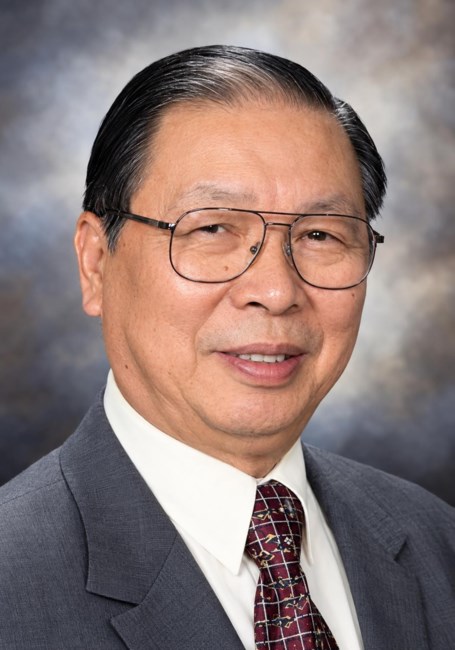
A Lifetime of Grace, a Home Built with Love; Through Every Change, Steadfast in Responsibility
Today, I would like to share the story of Dad’s life.
Looking back, his journey was marked by many profound changes: from growing up amid war to leaving home alone; from warehouses and wharves to a British trading company; from employment to running his own business; and eventually to immigration, retirement, and a quieter life in Vancouver.
His circumstances changed throughout his life, but one thing never did—wherever he was, his family was always close to his heart.
1. Taking on the Family’s Burdens at Fifteen—and Never Putting Them Down
My grandfather, 李麗池, was a Cantonese businessman in Shanghai. At the time, Nanjing Road had developed into a flourishing commercial district. Its best-known landmarks were the “Four Great Department Stores,” all established with investment from Cantonese entrepreneurs: Da Sun, Sun Sun, Wing On, and Sincere. Dad’s father was a director of Sun Sun, the general manager of an insurance company under Wing On, and a director of the Sun Ya Cantonese Restaurant. Shanghai was developing rapidly, and Nanjing Road was alive with prosperity and promise.
Dad was born on July 28, 1932. His father had two wives and fourteen children between the two households. Dad was the seventh child, which is why our relatives in Shanghai affectionately called him “Seventh Brother.” Among the eight children born to his mother, 陳玉顏, however, he was the eldest, with seven younger brothers and sisters.
On January 28, 1932, Japanese forces attacked Shanghai in what became known as the First Battle of Shanghai. On August 13, 1937, the Second Battle of Shanghai began, and the city subsequently fell. Dad was only five years old. The war displaced families and brought severe hardship to the four great department stores on Nanjing Road, even forcing businesses to close.
After Japanese forces occupied Hongkou, Grandfather moved the family to Garden Village, west of Zhongshan Park, to escape the fighting.
During the occupation, Dad once fought with a boy from a Japanese military family. Japanese soldiers came looking for him, and he escaped discovery only by hiding beneath a bed. That fear stayed with him. Even in his later years, it sometimes returned in his dreams. While living in Canada, he once dreamed that he was fighting that Japanese boy and actually rolled out of bed.
To us, war is a chapter in a history book. To Dad, it was something he had lived through—and something that followed him even into his dreams.
After the war ended in 1945, China was engulfed once again in civil conflict and economic hardship. Two years later, in 1947, Grandfather died of heart disease at the age of fifty-seven. Grandmother was only forty-one, facing both the grief of losing her husband and the responsibility of raising eight children.
Dad, her eldest son, was just fifteen. At an age when he should still have been cared for by his parents, he was already helping his mother look after seven younger siblings and carry the family’s burdens. He carried the little ones on his back as they walked to school, and he cooked for the family at home.
He had scarcely been given time to grow up before life required him to step forward.
“Seventh Brother” was more than his place in the family. It represented a responsibility he took on as a boy and never relinquished.
2. Leaving Shanghai in the Cold Rain, Seeking a Future in Hong Kong
In March 1950, before his eighteenth birthday, Dad said a reluctant goodbye to his home at 50 Garden Village in Shanghai. It was a cold, rainy day. Leaving behind his mother and younger siblings, with whom he had shared so much hardship, he travelled alone to Hong Kong.
Whenever Vancouver’s cold October rain arrives, I think of him setting out on a day like that—leaving everything familiar behind for a city where his future was uncertain.
His mother and siblings remained at 50 Garden Village while he began again in Hong Kong. Although his own life was far from easy, he continued sending money home to help support them.
He had left 50 Garden Village, but he never left behind his concern for the family or his responsibilities as the eldest son.
When he first arrived in Hong Kong, he worked and lived in a relative’s dried-seafood shop near the Sam Kok Pier in Sheung Wan. His duties ranged from working an abacus and keeping accounts to moving goods in warehouses, on the wharves, and aboard boats.
Once, while climbing a rope to board a boat, he lost his grip and badly injured both hands. Fortunately, he managed to hold on and did not fall.
After finishing work at night, Dad studied and learned English beneath a dim light bulb. Early the next morning, he would get up again to prepare hot water for his relatives’ household.
By day, he worked with his hands to earn a living. By night, he studied to find a way forward. However difficult life became, he never stopped trying to move ahead.
3. From Warehouses to a British Trading Company, Finding Friendship Along the Way
Through persistence, study, and hard work, Dad eventually joined the British trading company Deacon & Co. in Central. There he worked under Legislative Councillor G. R. Ross and gradually rose to become a manager.
Moving from warehouses and wharves into a British trading company was an important turning point in his life. It did not come easily. It was earned little by little, through his willingness to sit down and study even after an exhausting day’s work.
When Dad spoke about those years, he often mentioned someone we all knew as Uncle Fish. They not only shared a room but also slept in the same bed, with one person’s head beside the other’s feet. Their living arrangements were simple, but the friendship they formed lasted for many years.
Dad did not mind occasionally getting the smaller share. Uncle Fish was a tall, well-built man who occupied two-thirds of the bed, even though they paid exactly the same rent.
Looking back, some of Dad’s most precious gains in those early years were not just his progress at work, but the friends he met in difficult times who remained part of his life long afterwards.
4. Meeting at Night School, Beginning a Lifetime Together
About ten years after leaving Garden Village, Dad was a handsome young man in his twenties—smartly dressed in a suit, fluent in English, working for a British trading company, and looking towards a promising future.
But he was not content to stop learning. He continued attending night school and became a student of Mr. Alder Cruz, then one of the editors of the South China Morning Post.
Night school gave him more than knowledge. It brought an encounter that would change the lives of our entire family: it was there that he met Mum.
Mum was the fourth child in her family. To escape the war, she had moved from Fuzhou to Hong Kong with her parents, my maternal grandfather 劉雲楷 and grandmother 梁繼英. Before the war, Grandfather had been the comprador for Jardine Matheson in Fuzhou.
As it happened, Mum and Dad were both living on Wun Sha Street in Tai Hang, below the Tiger Balm Mansion on Tai Hang Road. They lived so close to each other, yet it was in a night-school classroom that they met the person with whom they would build a home and share a lifetime.
Perhaps because English had brought them together, they continued addressing each other by their English names at home. Mum called him Stephen, and Dad called her Fan, short for Fanny.
They would discuss English grammar together: when a noun needed an article, which tense a verb should take, and when to use the continuous form. These seemingly small conversations were a familiar and affectionate part of our family life.
Alongside English, our home was filled with music. Dad loved classical music and had a large hi-fi system on which he played his vinyl records. Mum enjoyed playing the piano.
The classical recordings, Mum’s piano, their conversations about English, and the familiar calls of “Stephen” and “Fan” together formed the sounds of our home.
5. Building a Family, Walking Together in Faith
Mum and Dad married in 1961 and lived in Hennessy Apartments in Causeway Bay, above the China Products department store. I was born in 1962, and my younger brother Simon followed in 1963.
We have many happy memories of life in Causeway Bay. On Sundays, Dad would take Simon and me across the road to the Lee Theatre to watch morning cartoons. We also attended Sunday school or worship services at Ling Liang Church beside the theatre.
It was at Hong Kong Ling Liang Church that Mum and Dad were baptised by Pastor Timothy Dzao, 趙世光, affirming their faith in Christ. This was an important step in their lives and the foundation of the faith and hope with which we say goodbye to Dad today.
There was also a secondary school in Causeway Bay called Ling Ying College. As a top student under Mr. Alder Cruz, he recommended dad to serve as vice-principal of its evening section, and Mum taught there too. Those years connected their work and family life, while also creating relationships that would be renewed many years later here in Vancouver.
Although Mum and Dad often worked outside the home, we had domestic help from the time I was born. I never had to eat alone or worry about my next meal. In fact, we depended so much on our helpers that Dad sometimes had to persuade them not to leave. Perhaps those experiences were also part of the reason he was reluctant to employ domestic help again in later life.
They had known hardship themselves, but they did their best to let us grow up with security and faith.
6. From Trading-Company Manager to Leading a Department at Swire
In the late 1960s, Dad joined Swire as head of its shipping department. He reported directly to his British superior and led the entire department. The office was in Central, at the location where Chater House stands today.
He got on well with his colleagues and was well liked by those who worked under him. Through diligence and the experience he had accumulated, he had reached a position in which he could take charge and shoulder responsibility in his own right.
As our circumstances improved, we moved to Jardine’s Lookout, above the Tiger Balm Mansion. Dad’s friends and colleagues often visited. We watched television and talked together, filling the house with warmth and lively conversation.
When Apollo 11 landed on the moon on July 20, 1969, we gathered at home with Dad’s friends and colleagues, watching the television as humanity reached that extraordinary milestone.
Years later, what remains in my memory is not only what appeared on the screen, but also the scene in our living room. Something momentous was happening in the world, and we were together in that warm home, watching and marvelling.
Dad worked to improve our lives not simply so that we could live more comfortably, but so that our home could become a place where family and friends shared their happiness.
7. Making Room for Our Elders, Giving Our Childhood the Taste of Home
Dad did more than provide a secure home for us. He also made it a place where the older members of our family could find support.
After my maternal grandfather died in a tram accident, Dad welcomed my grandmother—whom we called Por Por—into our home. Having lost her husband, she would still have the companionship and care of her family. Later, when she suffered a stroke, an additional helper was employed to look after her.
Dad also cared for a cousin of his whom we called Auntie. She had no children of her own, and he welcomed her into our home, where she remained until the end of her life.
Caring for elders is not simply a visit or a kind word. It involves arrangements and responsibilities carried out day after day, and adjustments made by the whole household. Mum and Dad made room for them as part of our everyday lives.
When I think of Por Por and Auntie, I still remember Por Por’s homemade pork floss and jelly, and Auntie’s steamed minced pork patties. The savoury taste of the pork floss, the sweetness of the jelly, and the warm aroma of steamed pork arriving at the table remain unforgettable flavours of childhood and home.
At the time, we simply enjoyed the food. Only when we grew older did we understand what a precious blessing it was to eat something prepared by our elders’ own hands and to grow up surrounded by their love.
Mum and Dad gave our elders a home. In return, those elders gave our childhood the taste of home.
Dad’s kindness extended to our pets as well. In Hong Kong, we had two dogs and two cats—Maggie, Jennifer, Pearl, and Bo Bo. Each came to us under different circumstances, and Dad cared for them, making them members of the family.
The warmth of our home came not merely from having enough, but from Mum and Dad’s willingness to make room for others.
8. Venturing Out to Build a Business of His Own
In the 1970s, Dad founded Kee Yip Garments Manufacturing Co Ltd., moving from employment into business ownership. His work took him to Japan, Europe, the Middle East, and North America. His responsibilities now extended beyond his own family to the running of a company and the livelihoods of its employees.
Dad was willing to leave familiar surroundings and seek opportunities far away. He visited Vietnam before the war had ended and travelled to Israel during unsettled times. While Germany was still divided, he even crossed the border between East and West Germany on foot.
Places that, to us, existed only in the news became part of his own lived experience.
During his work in textile factories, Dad acquired a colourful nickname: “the mouse in the coffin.” It described the way he inspected a factory—going everywhere, looking into every corner, and leaving no hidden problem undiscovered.
He preferred to see things for himself, observe carefully, and understand where a problem really lay. Where others might not notice something, he was prepared to take another step and look again. That thoroughness was characteristic of the way he worked.
Whether working for someone else or running his own company, Dad believed in doing things conscientiously and taking personal responsibility.
9. Returning Home with Us After Nearly Thirty-One Years
Amid those busy years of building his business, Dad finally had the opportunity to return to the hometown he had never stopped thinking about.
In February 1981, he took us to 50 Garden Village in Shanghai to meet the extended family we had heard so much about but had never known in person. It was his first journey home since leaving in March 1950.
Nearly thirty-one years had passed.
He had left as a boy saying goodbye in the cold rain, uncertain of what lay ahead. He returned as a father, bringing his children to be reunited with his family.
He was not simply taking us to visit relatives. He was introducing us to our roots—to the brothers and sisters who had been in his heart long before we were born.
Afterwards, even when he had moved to Vancouver, Dad continued returning to Shanghai almost every year, spending several weeks with his siblings. As they retired, he continued to care about them and offer support.
He also invited his retired brothers and sisters to visit Vancouver and stay in our home, sharing daily life, exchanging memories, and enjoying the time together.
When he was young, he left home to find a way forward. In later life, he returned again and again because the bond had never loosened.
However far he travelled, he remained their beloved “Seventh Brother.”
10. Facing Business Storms, Holding Fast to Integrity
Being reunited with his family brought comfort after years of longing. In business, however, Dad still had to face the many challenges that came with running a company.
The courage to start a business is not only the courage to set out. It is also the willingness to face the consequences and accept responsibility when difficulties arise.
The pressures of running the company, together with the Overseas Trust Bank crisis in 1985, placed Dad under considerable strain. My original plans to study overseas also changed because of our family’s financial circumstances, and I completed my university education in Hong Kong instead.
Only as I grew older did I understand that our sense of security did not mean Dad’s life had been free of storms. It meant that he had quietly carried many of the worries himself.
In 1989, Dad closed the garment business. What we respected most was that, when he did so, he left no outstanding payments owed to his employees or the banks.
The company came to an end, but he did not leave his responsibilities for someone else to bear.
Success or failure in business is not entirely within our control. How we honour our commitments, however, reveals our character. That was a lesson Dad taught us through his actions.
11. Business Has Its Seasons; Friendship Endures
Looking back on Dad’s working life, one thing is especially precious: through different jobs and business relationships, he made friends who remained beside him for decades. Some of those friendships even passed from one generation to the next.
In the early days of the business, Uncle James Hwo supported Dad financially. His daughter Grace later became Dad’s goddaughter and continued to care for him over the past thirty years.
Grace, our whole family holds your love and companionship for Dad close to our hearts. Thank you for allowing a friendship that began with the previous generation to remain a source of warmth in his later years.
Dad also developed a close friendship with Mr. Potzsch from Germany. His daughter Silvia became Dad’s second goddaughter and later chose to settle in Hong Kong.
Silvia, your relationship with Dad is another treasured part of our family’s story. From friendship between fathers to closeness in the next generation, a connection that began across countries gradually became something much like family.
Grace and Silvia were not simply the daughters of Dad’s business friends. They were his two cherished goddaughters.
Business brought them together; affection and loyalty kept them close. Dad leaves behind not only the story of his working life, but also people who continue to care for one another today.
12. Having Known Hardship Himself, He Wanted His Children to Go Further
Dad valued education and wanted us to have opportunities to go out and see the world.
He supported my studies and the development of my interests. At the end of each university year, he helped me move out of my residence. He also bought me air tickets so that I could take summer jobs in Istanbul, Turkey, and Montreal, Canada.
Those were more than two plane tickets. They were opportunities to broaden my horizons and discover my own direction. Those unusual summer-work experiences later helped open the way for me to join well-known multinational companies.
Dad also helped Simon with his immigration application after he had turned eighteen, making further arrangements for his son’s future.
Once, Dad had studied beneath a dim light to create opportunities for himself. Later, he did everything he could to give us greater opportunities to learn and explore.
What he worked to build was not simply a secure life in the present, but a starting point from which the next generation could go further.
13. From Ling Ying’s Evening Classes to a Reunion in Vancouver
After moving to Vancouver, Dad began his retirement. Over the past thirty years, he and Mum travelled to many parts of the world, enjoying life, making new friends along the way, and keeping in touch with old ones.
Connections formed through Ling Ying College’s evening section were also renewed in Vancouver. At a mahjong table, Dad met a former night-school student, Mr. 方南, once again.
After many years, and half a world away, teacher and student were reunited. Only this time, instead of English exercises, there was a set of mahjong tiles in front of them.
From their night-school days in Hong Kong to their reunion in Vancouver, they had followed different paths through life. Yet they could sit down together again and rediscover their shared memories.
Dad also came to know Mr. Fong’s wife, 黎景梅. This Mrs. Fong could certainly hold her own against the well-known television cook of the same title—she was an excellent cook herself.
Their son Benny also frequently helped look after Dad. Mum and Dad often turned to him for assistance with matters both large and small.
Benny, we sincerely thank you for all the care and kindness you showed Dad.
These reunions showed us that the work we take seriously and the people we treat sincerely do not necessarily disappear into the past. Sometimes, decades later, we find them again in another city.
14. Retiring from Work, but Never from Caring for Mum
Retirement slowed the pace of life, but it did not bring an end to Dad’s responsibility for his family.
In Vancouver, without domestic help at home, Dad personally looked after Mum’s meals and everyday needs. Her legs had become weak, and she fell frequently, so she needed greater care and attention.
Dad was no longer occupied with the affairs of a company, but he continued to think about Mum’s needs every day.
When they were younger, they had worked together to build a family. In later life, as their circumstances changed, Dad continued walking beside her through the daily care he provided.
Love over a lifetime is not always expressed in remarkable words. Sometimes it means knowing that someone remembers when it is time for you to eat; that someone is there when your steps are unsteady; that, day after day, you are not alone.
Dad’s love for Mum lived in that ordinary, essential, uninterrupted care.
15. Looking After Himself Was Also a Way of Loving His Children
Dad cared for his family, but he also worked hard to look after himself. He wanted to remain independent and avoid causing us worry. He tried to preserve his mobility and ability to manage daily life, continuing to drive and take care of everyday needs after retirement.
In his earlier factory work, the shuttles of the looms moved back and forth amid tremendous noise. Those years of exposure damaged his hearing. During the final decade of his life, he lost his hearing, making communication difficult.
For someone who loved classical music, valued language, and had so often discussed English with Mum, that loss was especially poignant. The sounds that once filled our home became memories we treasured all the more.
Even so, he continued striving to remain independent. He did not want to rely on us for everything and kept driving until he was ninety. Only after our persistent persuasion did he finally put down his car keys.
We knew that giving up an independence he had maintained for so many years was not easy. He had spent his life solving problems and caring for others. Learning to accept other people’s arrangements was itself a change that required time.
For Dad, being able to look after himself was one more way of giving his children less to worry about.
16. Saying Goodbye at Thanksgiving, Finding Rest in the Lord
On September 19, Dad suffered a stroke. We are grateful to Uncle Paul for helping Mum call an ambulance that day. Twenty-three days later, on Thanksgiving, Dad left us quietly and peacefully, resting in the Lord.
Although parting from him brings profound sorrow, we are comforted that he did not endure a long period of suffering. For a man who had worked so hard and always held his family close to his heart, we are thankful that he could finally lay down his burdens and find rest.
On October 10, two days before Dad passed away, Mum’s nephew Roger Leung came from Toronto to Vancouver to attend a friend’s wedding celebration and visited Dad.
A devoted Christian, he was present as Dad reaffirmed his faith in Jesus Christ. His visit, and Dad’s renewed affirmation of faith, allowed us to see the loving care of God’s providence.
From his baptism alongside Mum many years ago to the reaffirmation of his faith in his final days, Dad’s relationship with the Lord has brought us deep comfort. With sorrow, but also with trust, we place him in God’s hands.
From now on, Thanksgiving will carry a deeper sense of remembrance for our family, together with a deeper gratitude for God’s grace.
We will remember Dad. We will also remember the days that once seemed ordinary but that we now recognise as so precious: eating together as a family, welcoming friends into our home, hearing familiar music, and seeing Dad beside Mum, looking after her.
Losing him has helped us understand more deeply how much security can come simply from someone’s faithful presence, day after day.
As we say goodbye to Dad in this season of thanksgiving, we give thanks for his lifelong love and for the grace of God that spared him prolonged suffering and brought him rest in the Lord.
17. A Lifetime of Responsibility, a Lasting Legacy of Love
Looking back on Dad’s life, we see war, the loss of loved ones, the loneliness of leaving home, hard work, and the uncertainties of business. We also see immigration, retirement, and the changes that came with growing older.
His life was not without difficulty, nor did every plan turn out as he hoped. But in each new circumstance, he tried to do what was needed and care for those around him.
His roles changed throughout his life: son, elder brother, husband, father, friend, and godfather. Whatever the role, he took its responsibilities and its bonds of affection seriously.
He showed us that learning can open new doors; that integrity is worth preserving even in difficult times; that friendship deserves a lifetime of care; and that a warm home is built by people willing to give of themselves every day.
He also taught us that caring for our elders is not only an act of giving. It allows the next generation to know their family more deeply and leaves them with voices, aromas, and flavours they will remember for the rest of their lives.
These memories remind us of how we were loved—and of how we, in turn, can love others.
What Dad leaves us is not simply a life to remember, but an example we can continue to live out.
Dad, thank you, and thank you to Mum, for bringing us up surrounded by love and care.
Thank you for never giving up on learning when you were young, and for showing us how effort can change a life.
Thank you for holding fast to your responsibilities in difficult times, and for teaching us that a person’s good name lasts longer than any passing success or failure.
Thank you for cherishing family and friends, so that when we look back on your life today, we see not only the road you travelled, but also the people who supported you and whom you supported along the way.
Thank you, too, for giving us opportunities to study, explore the world, and find our own paths. Wherever we go, we will always know that we come from a home you and Mum built with such care.
Now you rest in the Lord, having laid down a lifetime of labour and responsibility.
We will take good care of Mum. We will cherish our family and every friendship you have left in our keeping.
Dad, thank you. May you rest in the Lord, as we look forward in hope to the day when we will be reunited in Him.
A lifetime blessed by grace, now resting in the Lord; forever remembered, until we meet again.
Patrick
October 18, 2026
-
懷念父親李元聰
Stephen Yuen Chung Lee
一生蒙恩,以愛持家;歷盡轉變,承擔如一
今天,我想與大家分享爸爸的一生。
回望他走過的路,有許多重大的轉變:從戰亂中成長,到獨自離鄉;從貨倉和碼頭,到英國洋行;從受僱工作,到創業經商,再到移居溫哥華、退休安居。
他的人生不斷轉變,但有一件事從未改變——無論身在何處,他始終把家人放在心上。
1. 十五歲肩負家責,一生沒有放下
祖父李麗池是一位在上海經商的廣東商人。當時,上海南京路一帶已形成相當規模的商業街區,最著名的就是全由廣東人投資興辦的「四大公司」,即大新公司(後來的中百一店)、新新公司(後來的食品一店)、永安公司(沿用原名)及先施公司(後來的時裝公司)。祖父當年是新新公司董事、永安公司旗下保險公司的總經理,以及新雅粵菜館董事。那是一個上海快速發展的年代,南京路呈現一派欣欣向榮的景象。
爸爸於一九三二年七月二十八日出生。祖父有兩位太太,兩房合共有十四名子女。爸爸排行第七,所以上海的親人都親切地稱他為「七哥」。在祖母陳玉顏所生的八名子女中,他則是長子,下面還有七位弟妹。
一九三二年一月二十八日,日軍向上海發動進攻,史稱第一次淞滬會戰。一九三七年八月十三日,第二次淞滬會戰爆發,上海其後淪陷。爸爸當時只有五歲。戰爭令人民流離失所,南京路上的四大公司也陷入困境,甚至歇業。
日軍攻佔虹口後,祖父為躲避戰火,帶領全家搬到中山公園西側的花園邨。
日軍佔領期間,爸爸曾因與一名日本軍人家的男孩打架,遭日本兵搜找,要躲在床底才逃過一劫。那份恐懼一直留在心中,直到晚年,有時仍會在夢裏重現。在加拿大生活時,他甚至曾因夢見自己與那名日本男孩打架,而從床上滾下來。
對我們來說,戰亂是歷史書上的篇章;對爸爸來說,卻是親身經歷過、甚至帶進夢裏的記憶。
一九四五年大戰結束後,中國又陷入內戰,經濟蕭條。兩年後的一九四七年,祖父因心臟病離世,享年五十七歲。當時,祖母年僅四十一歲,便要面對喪夫之痛,撫養八名子女。
身為長子的爸爸,那年才十五歲。在本應仍由父母照顧的年紀,他已開始協助母親,照顧七位年幼的弟妹,分擔一家人的重擔。他要背著年幼的弟妹徒步上學,還要在家燒飯做菜。
他還來不及慢慢學習長大,生活已經需要他站出來。
「七哥」不只是一個排行,更是一份從少年時便肩負起來、一輩子沒有放下的責任。
2. 冷雨中離開上海,在香港尋找出路
一九五〇年三月,還未滿十八歲的爸爸,在一個寒冷、下著雨的日子,依依不捨地告別上海花園邨五十號的家,離開與他相依為命的母親和弟妹,獨自前往香港。
如今在溫哥華遇上十月的冷雨,我便會想起:當年,爸爸就是在這樣濕冷的日子,離開了那個熟悉的家,走向一個前路未明的城市。
母親和弟妹留在花園邨五十號,他則在香港重新開始。雖然自己的生活並不容易,爸爸仍持續寄錢回家,幫補家用,支持母親和弟妹的生活。
他離開了花園邨五十號,卻從未放下對這個家的牽掛,也從未放下身為長子的責任。
初到香港,他在上環三角碼頭附近一間親戚經營的海味舖工作和棲身。他既要在帳桌前打算盤、記帳,也要到貨倉、碼頭和船上搬運貨物。
有一次,爸爸攀繩登船時失手,雙手嚴重受傷,幸好最後仍能抓緊繩索,沒有墮下。
晚上忙完工作,爸爸便在昏暗的燈光下讀書、學習英文;第二天清早,又要起來為親戚一家準備熱水。
白天靠雙手謀生,晚上靠讀書尋找出路。生活再艱苦,他也沒有放棄向前走。
3. 從貨倉到洋行,在艱苦中建立情誼
憑著不斷學習和努力,爸爸後來進入中環的英國洋行 Deacon & Co.,在立法局議員 G. R. Ross 羅斯先生的帶領下工作,並逐步晉升至經理。
從貨倉和碼頭走進英國洋行,是他人生一個重要的轉捩點。這一步並非輕易得來,而是他在一天的勞累之後,仍願意坐下來讀書,一點一滴爭取回來的。
說起那段日子,爸爸也常提到我們熟悉的 Uncle Fish。當年兩人不但同房,還要共睡一張床,一個人的頭對著另一個人的腳。生活雖然簡樸,卻建立了一份延續多年的友情。即使偶爾吃點小虧,他也不介意。Uncle Fish 身材高大,晚上佔了床位的三分之二,兩人交的租金卻是一樣的。
回頭看,爸爸年輕時最珍貴的收穫,不只是工作上的進步,還有在艱苦日子裏遇見、往後一直留在生命中的朋友。
4. 夜校相識,結下一生的緣分
離開花園邨約十年後,二十多歲的爸爸英俊瀟灑,西裝筆挺,說得一口流利英語,在英國洋行工作,前途一片光明。但他沒有自滿,繼續讀夜校,並成為當時《南華早報》其中一位編輯 Mr. Alder Cruz 的門生。而夜校帶給他的,不只是知識,更是一段改變我們全家人生的相遇——他在那裏認識了媽媽。
媽媽在家排行第四,因躲避戰火,隨我的外公劉雲楷、外婆梁繼英從福州搬到香港定居。外公劉雲楷在戰前是福州怡和洋行的買辦。
原來,爸媽兩人當時都住在大坑浣紗街,就在大坑道虎豹別墅下方。他們住得那麼近,卻是在夜校課堂上相識,遇見了日後與自己一起建立家庭、共度一生的人。
因著這份學習英文而結下的緣分,兩人在家中也以英文名字互相稱呼:媽媽叫他 Stephen,爸爸叫媽媽 Fan,是 Fanny 的簡稱。
他們還會在家裏討論英文文法:名詞前甚麼時候要加冠詞,動詞應該用甚麼時態,甚麼情況要用進行式。這些看似細微的討論,卻是我們家中熟悉而親切的日常。
除了英文,家裏也充滿音樂。爸爸喜歡古典音樂,家中有一套大型 Hi-Fi 音響,播放著一張張黑膠唱片;媽媽則喜歡彈鋼琴。
唱片裏的古典樂曲、媽媽的琴聲,與他們討論英文的聲音,還有一聲聲 Stephen 和 Fan,交織成我們熟悉的家庭氣氛。
5. 一起建立家庭,也在信仰中同行
爸爸媽媽於一九六一年結婚,婚後住在銅鑼灣軒尼詩大廈,也就是銅鑼灣中國國貨公司樓上。我在一九六二年出生,弟弟 Simon 在一九六三年出生。
在銅鑼灣的生活裏,有許多開心的回憶。爸爸星期日會帶我和 Simon 到家對面的利舞臺看早場卡通片。我們也到利舞臺旁的靈糧堂上主日學或參加崇拜。
爸爸媽媽就是在香港靈糧堂,由趙世光牧師施洗,歸入基督的名下。這是他們生命中重要的一步,也是今天我們懷著信仰與盼望送別爸爸的根源。
銅鑼灣有一所中學叫領英中學。作為Mr. Alder Cruz 班中的高材生,他推薦爸爸成該校夜校部的副校長,媽媽也曾在領英任教。那段歲月,不只連繫著他們的工作與家庭,也留下了多年以後在溫哥華仍能重拾的緣分。
雖然爸爸媽媽常在外工作,但從我出生以來,家裏便有傭人幫忙。我從來不用獨自吃飯,也從來不必為三餐發愁。反而因為我們太倚賴傭人,爸爸不得不多次挽留想要請辭的傭人。這或許也是爸爸晚年不敢再請傭人的原因之一。
他們經歷過生活的艱難,卻盡力讓我們在安心和信仰之中長大。
6. 從洋行經理,到太古獨當一面
六十年代末,爸爸加入太古,出任船務部主管,直接向英籍上司匯報,帶領整個船務部門。當時的辦公室位於中環,也就是今天遮打大廈所在的位置。他與同事相處融洽,也深受下屬歡迎。靠著勤奮和工作中累積的經驗,他一步一步走到能夠獨當一面的位置。
隨著生活改善,我們搬到虎豹別墅上方的渣甸山。家裏常有爸爸的朋友和同事來聚會,大家一起看電視、談天,留下許多熱鬧而溫暖的回憶。
一九六九年七月二十日,阿波羅十一號登陸月球,我們便與爸爸的朋友和同事聚在家中,一起守著電視,見證人類首次踏足月球的歷史時刻。
多年以後,留在記憶中的,不只是電視上的畫面,還有大家聚在家裏的情景。世界正在發生大事,而我們就在那個溫暖的家中,一起觀看、一起驚嘆。
爸爸努力改善生活,不只是讓一家人住得更好,也讓家成為可以與親友分享喜悅的地方。
7. 為長輩留一個家,也為童年留下家的味道
爸爸不只為我們建立了安穩的家,也為家中的長輩提供了一個可以依靠的居所。
外公因電車意外不幸離世後,爸爸讓外婆——我們叫的婆婆——搬來與我們同住,讓她在失去丈夫後,仍有家人的陪伴和照應。後來婆婆中風,家裏也額外聘請傭人照顧她。
爸爸還照顧了一位無兒無女的堂姑媽,讓她住在我們家中,直至終老。
照顧長輩,不是一次探訪、一句問候,而是日復一日的安排與付出,也意味著一家人的生活需要作出配合。爸爸媽媽讓她們留下來,成為我們每天生活的一部分。
說起婆婆和姑媽,我至今仍記得婆婆親手做的豬肉鬆和啫喱,也記得姑媽做的蒸豬肉餅。豬肉鬆的味道、啫喱的清甜,還有蒸豬肉餅上桌時熱騰騰的香氣,都是我們童年裏難忘的家的味道。
那時只覺得好吃,長大後才明白,能夠吃著長輩親手做的食物,在她們的疼愛中長大,是一份多麼珍貴的幸福。
爸爸媽媽為長輩安頓了一個家,長輩也用她們的雙手,為我們的童年添上了家的味道。
爸爸的愛心,也延伸到家中的寵物。在香港時,我們家曾養過兩隻狗和兩隻貓——Maggie、Jennifer、明珠和寶寶。牠們各自因不同的緣故來到我們家,爸爸也悉心照顧牠們,讓牠們成為家庭的一分子。
我們家的溫暖,不只來自生活上的充足,更來自爸爸媽媽願意為別人留一個位置。
8. 敢走出去,開創自己的事業
七十年代,爸爸創辦基業製衣有限公司,從受僱工作走上創業之路。工作帶他走遍日本、歐洲、中東和北美洲,而他肩上的責任,也從自己的家庭,延伸到公司的經營和員工的生計。
爸爸願意離開熟悉的環境,到遠方尋找機會。他曾在越戰尚未結束時到過越南,也曾到訪局勢不安的以色列;在德國仍然分裂的年代,他還曾徒步穿越東、西德之間的邊境。
那些對我們來說只在新聞裏出現的地方,成了他親身走過的人生經歷。
在紡織廠工作時,爸爸有個生動的外號——「棺材老鼠」。這個外號,是形容他巡查時處處走、處處看,每個角落都不放過,要找出那些容易被忽略的問題。
他習慣親自到現場,仔細觀察,了解問題究竟出在哪裏。別人未必留意的地方,他願意多走一步、多看一眼。這份認真,是他做事一貫的態度。
從為別人工作,到自己創業,爸爸始終相信,事情要用心去做,責任要親自承擔。
9. 一別近三十一年,終於帶著我們回家
就在那些為事業奔忙的歲月裏,爸爸終於有機會回到一直牽掛的故鄉。
一九八一年二月,他帶著我們回到上海花園邨五十號,探望那個我們早已聽聞、卻未曾親身認識的大家庭。這是他自一九五〇年三月離鄉以來,第一次回家。
這一別,就是近三十一年。
離開時,他是一個在冷雨中告別故鄉、前路未明的少年;回來時,他已是一位帶著子女與家人團聚的父親。
那一次,他不只是帶我們去探親,更是帶我們認識自己的根,認識在我們出生以前,他便已經牽掛著的那些兄弟姊妹。
此後,即使移居溫哥華,爸爸仍差不多每年回上海一次,與兄弟姊妹相聚數個星期。即使大家陸續退休,他仍然關心和支持他們。
他也曾邀請退休後的兄弟姊妹到溫哥華探訪,住在我們家中,一起生活、敘舊,享受相聚的時光。
年輕時,他離開家,是為了尋找出路;到了晚年,他一次次回去,是因為那份牽掛始終都在。
走得再遠,他始終是大家親愛的「七哥」。
10. 面對事業風浪,守住一生的誠信
與家人重聚,是爸爸多年牽掛中的一份安慰;而在事業上,他仍要面對創業帶來的種種考驗。
創業的勇氣,不只在於敢出發,也在於遇到困難時,仍願意面對後果、承擔責任。
經營上的種種挑戰,加上一九八五年海外信託銀行的危機,都令爸爸承受過很大的壓力。我原本出國留學的計劃,也因家庭經濟情況而改變,最後留在香港完成大學課程。
長大後,我才明白:我們生活安穩,並不代表爸爸的人生沒有風浪,而是許多憂慮,他選擇默默承擔。
一九八九年,爸爸結束基業製衣的業務。最令我們敬重的是,他結業時,沒有拖欠員工或銀行任何款項。
公司有結束的一天,但他沒有把應負的責任留給別人。
事業的成敗,不完全由人掌握;怎樣對待自己的承諾,卻能看出一個人的品格。這是爸爸以行動留給我們的教導。
11. 生意有期,情誼長存
回望爸爸的事業生涯,有一件事特別值得珍惜:他在不同的工作和生意往來中,結交到相伴數十年的朋友。有些情誼,更從上一代延續到了下一代。
創業初期,James Hwo 叔叔曾在資金上支持爸爸。他的女兒 Grace 後來成為爸爸的契女,並在過去三十年一直關心和照顧他。
Grace,這些年來,你對爸爸的陪伴和愛,我們全家都記在心裏。多謝你,讓這份由上一代開始的情誼,成為爸爸晚年仍然可以感受到的溫暖。
爸爸也與來自德國的朋友 Mr. Potzsch 結下深厚友誼。他的女兒 Silvia 成為爸爸的第二位契女,後來更選擇在香港定居。
Silvia,你與爸爸的這份緣分,同樣是我們珍惜的家庭故事。從父輩的相識,到下一代的親近,原本跨越地域的友誼,慢慢成為一家人般的情分。
Grace 和 Silvia,不只是爸爸生意往來中認識的朋友的女兒,更是他生命中兩位珍貴的契女。
生意讓他們相識,情義讓他們相伴多年。爸爸留下的,不只有事業的經歷,還有直到今天仍然彼此牽掛的人。
12. 自己走過艱難,更願兒女走得更遠
爸爸重視教育,也希望我們有機會走出去看看世界。
他支持我的學業和興趣發展。大學期間,每逢學期結束,爸爸都會幫我搬宿舍。他還送我機票,讓我到遠方的土耳其伊斯坦堡(Istanbul)及加拿大蒙特利爾(Montreal)做暑期工作。那不只是兩張機票,更是讓我開闊眼界、尋找自己方向的機會。正是這些獨特的暑期工作經驗,讓我日後有機會躋身知名的跨國企業。
爸爸也幫助當時已過十八歲的弟弟 Simon 辦理移民申請,為兒子的未來多作安排。
從前,他在昏暗的燈光下讀書,為自己爭取出路;後來,他盡自己的能力,讓我們有更多學習和探索的機會。
他努力建立的,不只是眼前安穩的生活,也是下一代可以走得更遠的起點。
13. 從領英夜校部,到溫哥華再相逢
移居溫哥華後,爸爸展開了退休生活。過去三十年,爸爸跟媽媽到世界各地遊歷,在享受生活之餘,也在旅程中結交新朋友,並與老朋友保持聯絡。
早年在領英夜校的緣分,後來也在溫哥華重新接上。爸爸在麻雀枱上重遇以前的夜校學生——方南先生。相隔多年、遠在半個地球之外,師生再次相逢,只是這次研究的不是英文功課,面前換成了一副麻雀。
從香港的夜校歲月,到多年後在溫哥華再見,大家走過了不同的人生路,卻又有機會坐下來,重拾共同的回憶。爸爸還結識了方太黎景梅女士。這位方太與電視上的方太相比,也不遑多讓,煮得一手好菜。方先生和方太的兒子 Benny,也常常照顧爸爸。爸爸和媽媽的事,無論大小,都經常勞煩 Benny 幫忙。Benny,我們在這裏衷心感謝你對爸爸的照顧與付出。
這些重逢讓我們看見:年輕時認真做過的事、真誠相處過的人,並不一定隨著歲月遠去。有時,過了幾十年,仍會在另一個城市重新遇見。
14. 放下工作,沒有放下媽媽
退休讓生活的步伐慢了下來,卻沒有讓爸爸放下照顧家人的責任。
在溫哥華,家裏沒有傭人,爸爸便親自照顧媽媽的起居飲食。媽媽雙腿乏力,經常跌倒,需要更多照應。爸爸不再為公司的事務奔忙,卻仍每天為媽媽的生活操心。
年輕時,他們一起為家庭打拼;到了晚年,生活的需要改變了,爸爸便用每天的照料,繼續陪媽媽走下去。
相伴一生的愛,有時並不是甚麼特別的說話,而是到了吃飯的時間,仍有人惦記;走路不穩的時候,仍有人照應;一天又一天,都知道身邊有人。
爸爸對媽媽的愛,就在這些平凡而不能間斷的照顧之中。
15. 把自己照顧好,也是對兒女的愛
爸爸不但照顧家人,也一直努力照顧好自己。他希望保持獨立,不給我們添麻煩,盡量維持自理和活動能力,退休後仍自己開車,處理日常生活所需。
爸爸早年在工廠工作,織布機的梭子來回穿梭,發出巨大的噪音。那些年工作環境中的噪音,損害了他的聽力。到了人生最後十年,他失去了聽力,與人溝通變得困難。
對一個喜歡古典音樂、重視語言,也習慣與媽媽討論英文的人來說,失去聽力,尤其令人惋惜。那些曾經充滿家中的聲音,也成了我們格外珍惜的回憶。
即使如此,他仍努力保持自主,不願事事依賴我們,一直自己開車,直到九十歲,才在我們的堅持勸說下,終於放下車匙,停止駕駛。
我們知道,要他放下多年來的獨立,並不容易。他一生習慣了處理問題、照顧別人,如今要接受別人的安排,本身也是一個需要慢慢適應的轉變。
對他來說,能夠照顧自己,就是讓子女少一點牽掛。
16. 在感恩節告別,在主裏得享安息
九月十九日,爸爸中風。感謝 Uncle Paul 當日協助媽媽打電話召救護車。二十三天後,在感恩節當天,他安詳、平靜地離開了我們,安息主懷。
離別雖然讓我們萬般不捨,但令我們感到安慰的是,爸爸沒有經歷長時間的病苦。對一生辛勞、總把家人放在心上的他,我們感恩,他最後不必長久受苦,可以放下重擔,得享安息。
十月十日,也就是爸爸離世前兩天,媽媽的外甥梁乃倫因要參加朋友的喜宴,從多倫多飛到溫哥華,並前來探望爸爸。他是一位虔誠的基督徒,在他的見證下,爸爸再次確認自己對耶穌基督的信仰。這次探訪,以及爸爸再次確認信仰,讓我們深深感受到上帝周詳的安排。
從當年與媽媽一同受洗,到生命最後的日子再次確認信仰,這份與主的連繫,為我們帶來了深深的安慰。我們懷著不捨,也懷著信靠,把爸爸交託在主的手中。
從此,感恩節對我們一家,多了一份深深的思念,也多了一份對主恩典的感謝。
我們會想起他,也會想起那些從前以為平常、如今才知道多麼珍貴的日子:一家人吃飯,朋友來家中相聚,熟悉的音樂響起,爸爸在旁邊照顧著媽媽。
失去爸爸,讓我們更深地明白,原來一個人日復一日的存在,就是家中很大的一份安穩。
在感恩的日子送別爸爸,我們感謝他一生的愛,也感謝主讓他不必長久受苦,在主裏得享安息。
17. 一生的承擔,留下長久的愛
回望爸爸的一生,他經歷過戰亂、失去至親、獨自離鄉、艱苦工作和創業起落,也經歷了移居、退休和身體漸漸衰老的轉變。
他並非一生沒有困難,也不是每個計劃都能如願。但在不同的處境裏,他一直努力做好眼前應做的事,照顧身邊需要他的人。
他的人生角色一直在變:是兒子、是兄長、是丈夫、是父親,也是朋友和契爺。但無論是哪一個角色,他都認真地把那份情義和責任放在心上。
他讓我們知道,學習可以為人生打開新的門;誠信值得在困難時仍然守住;朋友值得用一生珍惜;而家庭的溫暖,需要有人願意每天付出。
他也讓我們明白,照顧長輩不只是給予,還讓下一代有機會認識自己的家人,留下往後一生都會懷念的聲音、香氣和滋味。
這些記憶會提醒我們,自己曾經怎樣被愛,也提醒我們,往後可以怎樣去愛別人。
爸爸留給我們的,不只是一段值得懷念的人生,更是一個可以繼續活出來的榜樣。
爸爸,多謝你和媽媽,讓我們在愛與照顧之中長大。
多謝你年輕時沒有放棄學習,讓我們看見努力可以怎樣改變人生。
多謝你在困難中仍守住責任,讓我們明白,一個人的信用比一時的成敗更長久。
多謝你珍惜家人和朋友,讓我們今天回望你的生命時,看見的不只是你走過的路,還有一路上與你彼此扶持的人。
也多謝你,讓我們有機會讀書、探索世界,走自己的路;無論走到哪裏,心裏都知道,自己來自一個被你和媽媽用心建立的家。
如今,你已安息主懷,放下一生的勞苦與重擔。我們會好好照顧媽媽,珍惜家人,也珍惜你留給我們的每一份情誼。
爸爸,多謝你。願你在主裏安息,盼望將來在主裏再相聚。
一生蒙恩,安息主懷;永遠懷念,盼望重逢。
世賢
二〇二六年十月十八日
Show your support
Add a Memory
Share Obituary
Get Reminders
Services
Funeral Service
Share
Service
Committal Service
Share
Service
SHARE OBITUARYSHARE
- GET REMINDERS
v.1.18.0