
OBITUARY
Dr. Alexander W. Dromerick, Jr.
1 July, 1958 – 21 August, 2021
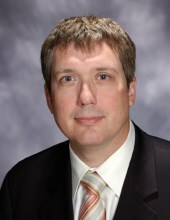
July 1, 1958 - August 21, 2021
Family, friends, and colleagues of Dr. Alexander Walter Dromerick, Jr. are mourning the loss of an extraordinary man. A man who cherished his “lovely wife” (as Alex called Laurie), and his family above all else. One whose research sought significant improvements for his patients and whose professional radiance inspired a generation of clinical researchers. Alex loved and guided Laurie’s children as his own and created a deep, lasting connection with them. Alex’s thirst for life expanded the family’s thinking, exposing them to new worlds and experiences. Alex was a man whose curious mind found him equally at home traveling to distant countries, listening to jazz, designing cocktails, vacationing at the Outer Banks, cheering on the St. Louis Cardinals, or wearing his signature bowtie.
Alex’s curiosity, kindness and brilliance guided his life. His personal experience with bone cancer at age 26 while making his way through medical school gave him a profound understanding of the suffering and the hopelessness that can befall a patient. The experimental research protocol that saved his life exposed him to the world of research, and the post-treatment rehabilitation became the foundation for his life’s work. Alex married his passion for research and rehabilitation with his neurological studies.
“Neurology gets at what makes us unique,” Alex said in a 2004 interview. “Who you are is not in your heart - you can replace that and you’re still you. The brain is what defines us as human beings.”
Alex moved to Washington, DC in 2005. He was the Chair of the Department of Rehabilitation Medicine at Georgetown University Medical Center, the Vice President for Research at Medstar National Rehabilitation Hospital, and a professor of rehabilitation medicine and neurology. The cornerstone of Alex’s legacy was his passion for improving the lives of his patients by accelerating research and guiding the next generation of budding researchers. He felt a deep commitment to and passion for mentoring, as evidenced by his tireless work as a clinician, devoted researcher and inspiring medical educator. Through his leadership on the NIH K12 Neurorehabilitation and Restorative Neuroscience Training Network grant targeting junior faculty, he helped to build a community
Alex skillfully used his leadership positions to create and grow clinical research and educational collaborations that focused on brain recovery and restoration of motor function after stroke, traumatic brain injury and limb loss. An enduring example of this work was his co-leadership and strong collaboration with Elissa Newport, PhD, to launch the Center for Brain Plasticity and Recovery, a joint enterprise between Georgetown University and MedStar NRH.
Alex began his career as an assistant professor in the Department of Neurology at Washington University School of Medicine in St. Louis, MO. He was a neurologist and rehabilitation physician with a focus on brain recovery and restoration of motor function after stroke and traumatic brain injury. He was the Founding Director of the Cerebrovascular Disease Rehabilitation Service and Head of the Section on Stroke and Brain Injury Rehabilitation. Nationally, Alex was a pioneer in the development of randomized clinical trials examining the efficacy of interventions to improve recovery after brain injury.
Alex led several NIH-funded clinical studies. He was principal investigator for the Stroke Central Atlantic Network for Research, a part of NIH StrokeNet - the only national stroke site at a rehabilitation hospital. He was co-principal investigator of the NINDS-funded I-CARE trial, a phase III trial to improve arm recovery after stroke. He was also co-Principal Investigator of the NINDS-funded PROTECT DC phase II clinical trial, aimed at reducing recurrent stroke in urban underserved individuals.
Alex’s mission was to accelerate research beyond incremental changes to improve the lives of individuals with strokes. One of his most significant contributions is the CPASS trial — a phase II, randomized clinical study to determine the optimal time after stroke for intensive motor training. These results, which are published in the Proceedings of the National Academy of Sciences (PNAS), have the potential to shape the future of stroke rehabilitation for function of the hand and arm. Alex was also a research scientist at the Washington, DC Veterans Affairs Medical Center, where he conducted studies to improve both prosthetic arm function in veterans and battlefield screening for traumatic brain injury.
As a leader in neurorehabilitation, Alex held several leadership roles in national organizations and served on the American Heart Association National Advisory Committee. His dedication to research and teaching was recognized by numerous awards including the Kenneth Viste Award for Neurorehabilitation, the Outstanding Neurorehabilitation Clinician-Scientist Award (ASNR), the Georgetown University/National Rehabilitation Hospital Physical Medicine Clinical Teacher of the Year, The Sven Eliason Teaching Award, and the Washington University PM&R Residency Program Teacher of the Year. Alex completed medical school at the University of Maryland, his residency at the University of Pennsylvania, and his fellowships at the University of Pennsylvania/Princeton University and Cornell University/Burke Rehabilitation Hospital.
Alex died just as he lived — tirelessly seeking answers to medical challenges. Even while fighting rare and damaging effects of a second cancer, Alex modeled grace and dignity and a strong will to live. In spite of his fight and resiliency, Alex was unable to overcome the effects of Covid-19. Alex’s family remains deeply grateful for the excellent care and love given by colleagues and staff at Medstar Georgetown University Hospital and MedStar National Rehabilitation Hospital.
Despite his impressive professional accomplishments, Alex would say that his greatest achievement was the rich and joyful life he shared with his wife and children. He is survived by his wife Laurie; stepchildren Emma Clark (Colby) and Michael Dinzebach (Reilly Townsend); mother Marie Dromerick; brother Chris Dromerick (Beth); sisters Laura Dromerick (Wayne Popham) and Lynn Grainger (John); cherished nieces and nephews. He was preceded in death by his father Alexander W. Dromerick, Sr.
The family kindly requests that donations be made to:
The Alexander W. Dromerick, MD Neurorehabilitation and Stroke Research Fund to support the future of Alex’s research and the work he cherished.
https://www.giving.medstarhealth.org/dromerickresearchfund
Center for Brain Plasticity Video
Show your support
Add a Memory
Share Obituary
Get Reminders
Services
SHARE OBITUARYSHARE
- GET REMINDERS
v.1.18.0