OBITUARY
Livia Erzsebet Kovacs
20 December, 1937 – 20 September, 2026
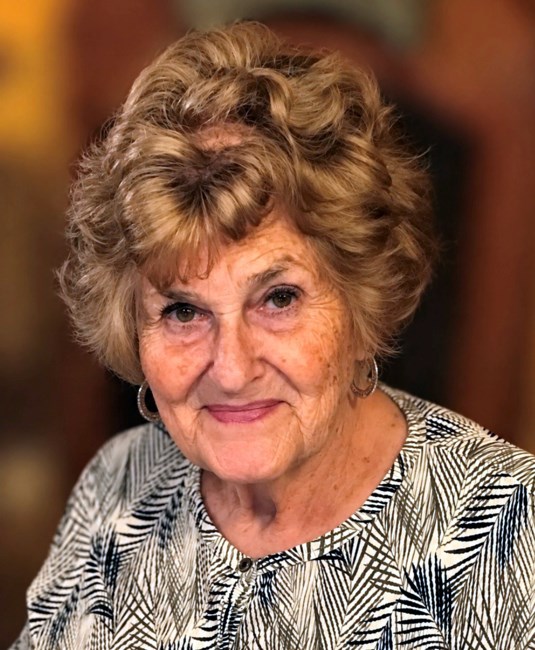
Livia was born in Budapest, Hungary, in 1937, where she grew up with her mother and sister. At the age of 18, she met her future husband, Lazlo (Laci) Kovacs, beginning a lifelong love story that would take them across continents and into a new life together.
Following their marriage, Livia and Laci, along with her mother, lovingly known as Omi, left Hungary in the aftermath of the Hungarian Revolution, seeking the promise of a new beginning. Their journey eventually brought them to Montreal, where they began building their lives in Canada. After several years in Quebec, the family made the journey across the country to British Columbia. They settled in Surrey, where they found a welcoming community of Hungarian friends and families who would become an important and enduring part of their lives.
It was in Surrey that Livia truly flourished. She had a remarkable love for homemaking and homesteading. Her floral gardens were stunning, her vegetable gardens abundant, and her animal husbandry quarters were a testament to the care she gave to everything in her keeping.
And then there was her cooking. Livia was an exceptional cook and baker, and food was one of the many ways she expressed her love. Her table was a place where family and friends gathered, stories were shared, laughter filled the room, and no one ever left hungry. Laci contributed his own special touch with his handcrafted wine and homemade pálinka, and together they created gatherings that became cherished memories for everyone fortunate enough to be invited.
After the meal, the evening was far from over. Card games would begin and often continue late into the night, surrounded by good friends, good humour, and the unmistakable warmth of Livia and Laci’s home.
When she wasn’t tending her gardens, preparing wonderful meals, or welcoming guests through her door, Livia found joy in the quieter pleasures of life. She loved needlepoint, sewing, and crossword puzzles—activities that reflected her patience, creativity, and wonderfully curious mind.
But perhaps Livia’s greatest gift was the way she made people feel. Her love of life was legendary. Her door was always open, and so was her heart. She was a warm and steadfast friend, a compassionate listener, a generous host, and a loyal supporter to those she loved. She had a remarkable ability to make people feel welcome, cared for, and at home.
Livia leaves behind a beautiful legacy—not only in the family and friendships she nurtured, but in the countless memories created around her table, in her gardens, in her home, and in the hearts of those who knew and loved her.
Livia will be deeply missed, lovingly remembered, and forever cherished.
ATTILA JÓZSEF(1905-1937)
BY THE DANUBE
I sat there on the quayside by the landing,
a melon rind was drifting on the flow.
I delved into my fate, just understanding:
the surface chatters, while it's calm below.
As if my heart had been its very source,
troubled, wise was the Danube, mighty force.
Like muscles
when you work and lift the axe,
or harvest, hammer, excavate a grave,
so did the water tighten, surge, relax
with every current, every breezy wave.
Like Mother, dandled, told a tale, caressed,
laundered the dirt of all of Budapest.
A drizzle started, moistering the morning
but didn't care much, so it stopped again.
And yet, like someone who under an awning
watches the rain- I gazed into the plain:
As twilight, that my infinitely last,
so grey was all that used to shine, the past.
The Danube flowed. And like a tiny child
plays on his fertile, dreamy mother's knee,
so cradled and embraced and gently smiled
each playful wave, waving hullo to me.
They shuddered on the flood of the past events
like tombstones, tumbling graveyard monuments.
For hundred thousand years I have been gazing
and suddenly I see what's there to see.
A flash, and time is fully-grown, embracing
what generations scan and show to me.
I see what they've not seen, for they defended,
embraced, dug, murdered, their living to ply,
and they see now, in cold matter descended,
what I can't see when I'm to testify.
We all relate, like blessed to the damn'd,
Mine is the past and theirs is the today
We write poems- my pencil in their hand,
I sense them and remember what to say.
Mother was Kún, Father was Székely, partly,
and half, or maybe, pure Romanian.
From Mother's lips the food was sweet and hearty,
from Father's lips the truth was radiant.
They embrace again when I am stirring.
This fills my heart with deep melancholy-
we are all mortal. It's me, re-occuring.
"Just wait, we'll soon be gone!..." They talk to me.
They call, I know we are now one: this one-ness
has made me strong, for I remember well
that I am every parent in the boundless
succession to the primal lonely cell.
I am the First, who splits, proliferating
till I become my father and mother,
then father splits and mother, procreating
the multiplying me and none other!
I am the world - the ancient, endless story:
clan fighting clan for creed or crazy greed.
I march among the conquerors in glory,
I suffer with the conquered in defeat.
Árpád and Zalán, Werbőczi and Dózsa -
Slavs, Mongols, Turks and other variants
in me, we shall redeem the long foreclosure
with gentle future - new Hungarians!
...I want to work. It's hard for human nature
to make a true confession of the past.
The Danube, which is past, present and future
entwines its waves in tender friendly claps.
Out of the blood our fathers shed in battles
flows peace, through our remembrance and regard,
creating order in our common matters,
this is our task, we know it will be hard.
Show your support
Send Flowers
Add a Memory
Share Obituary
Get Reminders
Services
- SEND FLOWERSSEND
FLOWERS SHARE OBITUARYSHARE
- GET REMINDERS
v.1.18.1