
OBITUARY
Tandie Vera Elizabeth Mitchell
12 November, 1942 – 14 September, 2025
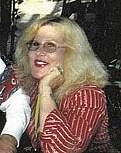
Dr. Tandie Vera Elizabeth Mitchell was a fiercely intelligent, deeply spiritual, and unshakably compassionate leader, mentor, and truth-teller. A proud Assiniboine-Sioux tribal member of the Ft. Peck Reservation and sixth-generation peacemaker, Dr. Mitchell walked through this world with purpose, heart, and vision; always honoring the sacred connections between people, place, and planet.
Tandie dedicated her life to healing systems and restoring balance, whether through her work in deep ecology, her advocacy for restorative justice, or her unrelenting defense of Indigenous wisdom and community sovereignty. Her life was a braiding of spirit, science, and activism; anchored by her ancestral knowing and fueled by a dream of ecological and social regeneration.
During her doctoral internship in the 1990s, Tandie conducted groundbreaking work in environmental mapping and watershed resilience, including vital data analysis on the San Diego–Tijuana region’s water conservation and drought mitigation. Her contributions to ecological cartography were not just technical; they were spiritual blueprints for future generations. In her own words, she saw the land as a living relative, not a resource.
Her role as an Independent Deep Ecology Research Scientist was rooted in more than academic inquiry; it was a calling. Through storytelling, research, and public testimony, she wove together traditional ecological knowledge with cutting-edge conservation science. She believed in “living systems”, where everything is connected, and where healing one part of the system meant healing the whole.
One of Dr. Tandie Mitchell’s proudest contributions was joining Elders of the Kumeyaay Nation in writing a tribal resolution in support of the United States’ ratification of the United Nations Convention on the Rights of the Child. By lending her voice, her knowledge, and her pen to this resolution, Tandie sought to ensure that all children; especially Indigenous children would have their rights affirmed under international law, that their dignity, protection, and wellbeing would be recognized and uplifted.
A Rotary International Paul Harris Fellow, Dr. Mitchell was widely respected not only for her scholarly insight, but for her warmth, mentorship, and unflinching honesty. She had little patience for performative gestures and great capacity for holding complexity. Her presence in a room was a prayer, a challenge, and a call to integrity.
To those who knew her best, she was more than a scholar; she was a medicine woman, a vision keeper, mother, grandmother and a beloved friend. She had a gift for recognizing the light in others and nurturing it with fierce love. She was especially committed to the healing of women in recovery, the restoration of Indigenous memory, and the amplification of community voices long overlooked by systems of power.
Dr. Tandie Mitchell bequeathed more than research; she entrusted her legacy to those she loved and mentored, offering not just knowledge, but ancestral wisdom, stories, and spiritual guidance. She believed in the sacred act of return, in the responsibility we each hold to give back, repair, and reimagine. Her life reminds us that healing is not just possible, it is sacred.
She is survived by generations of kin both biological and chosen who will carry her teachings forward like seeds in fertile soil. Though her physical presence is no longer with us, her spirit lives on in every act of stewardship, every circle of healing, and every voice that dares to speak truth with love.
Rest in power, Dr. Tandie Mitchell. Leave the light on for us.
Show your support
Add a Memory
Share Obituary
Get Reminders
Services
SHARE OBITUARYSHARE
- GET REMINDERS
v.1.18.0