OBITUARY
Shirley Tam
23 January, 1952 – 19 October, 2024
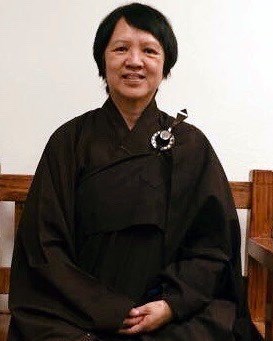
People often ask how a person dies but I can tell you how Shirley Tam had lived her life.
In the book of Dao De Jing written by the Chinese Sage Laozi, it says “He who does not lose his center endures, he who dies yet remain has long life.”
In the year 2013 she was diagnosed of cancer. She said to me that she didn’t have much time to finish her prison visitation program to visit the total 36 prisons in the state of California. After the surgery and chemotherapy, she had set up her goal how to achieve her destiny.
Maria Lixian Gee-Schweiger, the chairwoman of the non-profit organization the Chinese Writers Association of America knew Shirley very well. Maria wrote the following article about our truly loved sister Shirley titled, “The Power of Compassion.”
By Daniel S. Tam
The Power of Compassion
----The Story of an Ordinary Woman Who Saved Thousands of Incarcerated Individuals
By Maria Lixian Gee-Schweiger
She is about to leave this world—today, tomorrow, the day after? I do not know. It has been eleven years since she was informed that she had cancer, and yet she is still alive. Five years ago, they said the cancer had spread, but she was still here. Six months ago, the doctors declared she was in the final stage of palliative care, yet she miraculously lived on to this day. Sometimes I wonder if the strength of her life came from “good karma.” I was perplexed and could not understand why such a loving person must endure so much suffering. However, one thing I can say with absolute certainty is that she spread the fragrance of her heart with her limited life, using her compassion to show many people serving life sentences in American prisons the hope of life and the shore of happiness!
Shirley Tam, this Chinese woman who immigrated to the United States from Hong Kong with her family in the 1970s, had volunteered in CDCR (California Department of Correction and Rehabilitation) prisons for thirty years, even after being diagnosed with cancer. She continued to visit the prisons regularly. The International Bodhisattva Sangha Temple (IBS), managed by her and her husband, Danny Tam, shined like an ever-bright lamp, gently and firmly illuminating the lives of thousands of incarcerated individuals of different skin colors and ethnicities. Under the influence of Chinese culture, these incarcerated individuals have achieved self-redemption and been accepted by society.
This is not a legend, but a specific practice of the “Blessing Culture” that crosses cultures, religions, and ethnicities that I have been fortunate enough to witness—Shirley, demonstrating not only an affirmation of the value of individual lives but also a vivid display of the concept of a shared human destiny.
Choosing Blessings with Care
There is a saying in Buddhism, “A thought of good, a thought of evil, begins in a single-minded thought.”
Shirley's initial visit to the prison to share the Dharma was also sparked by a single thought of spreading blessings to the world.
From a young age, she was influenced by her father's teachings of kindness and compassion. After marrying her husband and immigrating in 1970’s to the United States, they started a business but also spent their weekends participating in local Buddhist community charities, helping homeless people, visiting orphanages, and nursing homes.
In 2004, the couple helped Ven. Master Huiguang establish the IBS Temple and received approval of the prison visitation program from Calipatria State Prison in California by the end of the year. They were allowed to volunteer in the prison to help and educate incarcerated individuals willing to learn the Buddha’s teaching, enabling them to repent and start anew.
At that time, Shirley was a mother of three children, juggling family care and volunteering at the IBS Temple. Initially, she and Danny had no experience serving in prisons, but they were moved by the teaching of the Buddha walking on Bodhisattva path as well as the fact that California's budget for prisons had been higher than educational funding for schools over the past decade. Furthermore, incarcerated individuals willing to receive any form of education, including religious studies, had a 43% lower recidivism rate during parole than those who were not. For this reason, the prison authorities welcomed local volunteers to help, and volunteers took this opportunity to regularly assist incarcerated individuals in meditation.
For Shirley, the prison was a place she never dreamed of entering in her life, especially Calipatria State Prison in California, which, at the time, housed some four thousand incarcerated men serving long sentences under maximum security. The media described it as “hell on earth,” with frequent fights and brawls among some incarcerated men. Entering this hostile environment filled with fear, especially when she entered the small chapel and saw a group of bald, tattooed men of different skin colors, she secretly wondered: Were these men murderers? Robbers? Thieves? Rapists?
At that time, she doubted whether she could transform these incarcerated men with her own effort, feeling a twinge of regret for having signed a “hostage agreement” on the clearance. This meant that during the lectures, and they would bear the consequences if taken hostage by any incarcerated person.
What did it mean to bear the consequences? She looked around the small chapel, and there were no armed guards, only incarcerated men. On the way back, she told her husband that despite feeling fearful at first, she firmly believed that a person who seeks to save others with love in their heart would not be harmed.
With the courage of “If I don't enter hell, who will?” her resilience significantly increased on subsequent visits. Having grown up in Hong Kong, she was fluent in English, French, Mandarin, Cantonese, and Hokkien, quickly shifting from assisting her husband or the master with lecture preparations to leading “dharma brothers and sisters” in meditation and explaining the Buddha’s teaching in different languages. When she saw some incarcerated men covered in tattoos lower their proud heads and tears of sincerity flow down their faces, she no longer saw them as incarcerated individuals but as “dharma brothers and sisters,” referring to those who had rehabilitated as “transformed persons.”
“She spent four years continuously helping a renewed person who wished to become a monk fulfill his dream of ordination. Later, this transformed person was revered as a Bodhisattva in prison. Not only could he meditate for over ten hours a day, but also helped other dharma brothers to calm down, reducing incidents of fighting,” Danny proudly praised his wife.
From the first volunteer visit to the prison, a decade had flown by. Seeing many dharma brothers and sisters who had been transformed with their help, Shirley and Danny decided in 2004 to close their business and devote themselves full-time to prison education work.
The Arrival of Both Blessings and Misfortunes
Since 1994, Shirley and the volunteers visited thirty-five prisons for thirty years. Not only did they inspired incarcerated individuals to study the Buddha’s teaching and meditate, turning thousands into “transformed persons,” but also establish twenty-five libraries in eleven prison chapels, donating over ten thousand Buddhist books.
However, she herself faced a series of life-threatening challenges.
One day in 2013, Shirley was diagnosed with stage III rectal cancer. After surgery and nine months of chemotherapy, although the cancer cells disappeared, she was so emaciated that she was as thin as a cicada's wing. Yet, cancer did not defeat her; she continued to encourage the dharma brothers to improve themselves through correspondence.
Learning of her cancer, the dharma brothers sent her sympathy letters and cards, filled with gratitude and care. These letters undoubtedly encouraged Shirley's confidence in overcoming cancer, reigniting her drive to return to the prison to spread the Dharma.
Two years later, with her condition under control, she began visiting prisons again and obtained a pass for IBS volunteers to enter all California prisons. This eliminated the need to apply to each prison individually, expanding the scope of their prison visitation work in California.
Just as she was grateful for the ability to continue her charitable work in prisons, her eldest son became unable to walk due to the advanced stages of amyotrophic lateral sclerosis (ALS). This was undoubtedly adding insult to injury, but she was not defeated by the hardship of life. With astonishing willpower, she encouraged herself to coexist peacefully with her own cancer and her son's ALS, not pitying her situation or blaming heaven and earth, but maintaining a loving heart in her home, IBS Temple, and the prisons.
However, the suffering did not end there. In July 2020, during the global COVID-19 pandemic, her younger son, in consideration of reducing hospital burdens and preventing virus infection, reduced his hospital visits and relied on his medical knowledge to combat his long-standing thrombosis. Unfortunately, he passed away during a shower, leaving without a chance to say goodbye to his parents, wife and children.
The immense pain of “parents burying their child” plunged the Tam family into a deep abyss of sorrow. Her cancer recurred, and this time, the cancer cells began to spread!
Facing the immense grief of losing a loved child and the physical and mental torment of chemotherapy, her already frail body grew increasingly weaker.
“Seeing her tortured by cancer, enduring the pain of losing a child with her frail body, really cuts me to the heart!” Recently, staying by his wife's bedside every day as she was nearing the end, Danny tearfully said multiple times.
Danny told me he has silently prayed countless times for his wife, asking heaven why, despite their vow to rescue individuals trapped in the misery of prisons with compassion, they faced the predicament of illnesses and personal loss. They promoted the Dharma and spread the good news, but why did well-being seem so far from us? Her answer was: “There are many people in the world whose situations are worse than ours. May our suffering serve to alleviate some of the world's pain.”
“Shirley's ability to put her suffering aside and admire her. Without her, there would not be our thirty years of persistent efforts in spreading the Dharma in prisons,” Danny said in our last conversation.
Her daughter, Vivien inspired by her mother’s great love towards the incarcerated individuals has decided to quit her job to stay with the family caring for her mother in her last stage of life. Her help was enormous to her parents during this difficult time.
Blessings to the Heart
How many people would have believed me if I had said at the beginning of the article, “In this world, there is a lady named, Shirley Tam, who, in the midst of a series of sufferings, chose to care for others with a compassionate and tolerant heart.”
Yet, now I say again, she told her husband on her sickbed that if she recovered, she would continue to visit the prisons and spread the Dharma, allowing more dharma brothers and sisters to see the light of life and change into “transformed persons” beneficial to the world, is this not beyond myth? This is a legend!!!
In September 2021, just after finishing chemotherapy, she heard that a dharma brother, named Chuck Foley, who they had known for over twenty years was being released from prison. She proposed that she and Danny make a special trip to a Northern California prison to welcome Chuck upon release. She knew that many dharma brothers and sisters, having stayed in prisons for a long time and lost contact with former friends and family, would find their first step back into society crucial for regaining confidence. She wanted Chuck to see someone holding flowers to celebrate his rebirth as he walked out of the prison gate.
However, for a cancer patient, this meant enduring a round-trip drive of over ten hours. Given California's vast territory and highways that climb mountains, deserts, and canyons, this journey was undoubtedly a physical test for her.
Perhaps, her decision seemed unbelievable to many, but having witnessed the bond between her and Chuck, I understood it as an invisible spiritual link—
In 2019, at the IBS Temple's annual gala, she was terminally ill, carrying an “ostomy bag” for excretion. She was the host and introduced three dharma brothers attending the event.
That day, three middle-aged men of different ethnicities took the stage to share their past actions before imprisonment and their incarceration experience. They candidly spoke about how they started to reflect on their past only after her visit and brought them English Buddhist books, which taught them the virtue of patience in their practice; they stopped blaming society for their mistakes and resolved to change.
One of them, a Filipino-American man with half Chinese descent, tearfully shared how he reduced his life sentence to twenty-two years, then to sixteen years, through a journey of self-reflection—he had been imprisoned for gang fights and was known for brawling in the prison. Since participating in the IBS' regular meditation classes, whenever he was about to get angry, he would remind himself: “When conflict and adversity arise, always preserve a spacious heart.” This was a quote from Jing Si Aphorisms by Tzu Chi Master Sheng Yen, translated into English, Spanish and Japanese, that she brought in: “In the face of adversity and conflict, maintain a spacious heart.” He gradually became calm and stopped blaming others, instead studying university courses in prison. Now, not only was he released early, but also received a university admission letter.
Sitting among the guests, facing those three faces marked by hardship yet shining like warm sunshine into my heart, I wondered: What kind of moral strength could prompt three middle-aged men to share their pasts in front of hundreds of strangers? At that moment, I saw her embrace one dharma brother who was overwhelmed by his past like a mother hugging her son, comforting him until he calmed down before leading him off the stage. Indeed, nothing can stop her self-encouragement of “Even if the void has an end, my vow is boundless.”
In the golden autumn of September 2021, she finally stood outside the gate of a Northern California prison, accompanying Chuck’s 85 year-old mother, welcoming him as he walked out of prison. When I saw the picture, I was deeply moved by the four radiant smiling faces: Could Chuck have smiled if he saw only his elderly mother standing alone outside the prison gate upon his release? If not for Shirley, who else would think of others' feelings while on their deathbed?
Writing this, I feel at a loss for words. Realizing that a lady like Shirley cannot be fully described with words like “noble” and “great” So, let's use her words: “Even if the void has an end, my vow is boundless.” This serves as an interpretation of the concept of “blessing the world”—Shirley Tam, her Chinese name is Qiao-Chang Tam.
April 2, 2024 in San Diego
老子道德经第三十三章 :
“不失其所者久 死而不亡者壽”. 指那些对人类社會有过大貢獻而品德高尚的人,身體雖然死去但永遠活在人心中,被怀念千 秋万世故是長寿的是謂不亡。
以下是現代作家李峴女士對譚巧嫦居士的一篇報導文章。李峴女士是美國中文作家恊會的現任主席。
谭瑞钦
报告文学
用生命传递福音
李 岘
她,即将离开这个世界,今天、明天、后天?我不知道。她被告知患癌已经过去了十一年,她仍然活着。五年前说癌症已经扩散,她依然活着。半年前医生宣布她的生命已经到了最后的“临终关怀”,她还是奇迹般地活到了今天。有时我在想,这份生命的力量是否源于“福报”?有时又为此困惑,想不通为什么这样一位胸有大爱的人却要受此折磨?不过,有一点我可以非常笃定地说:她用自己有限的生命传递着心香,帮助众多不幸的人获得了幸福!
谭巧嫦,这位上世纪七十年代随家人从香港移民到美国的华人女性,坚持三十年到美国监狱传递福音,即使被诊断出癌症,她依然定期前往。她和她的先生谭瑞钦主理的菩萨寺,像一盏长明灯,温柔而坚定地投向美国监狱数以千计的囚犯,使这些不同肤色和族裔的阶下囚,在中华文化的熏陶下,实现了自我救赎,重新获得了社会的接纳。
这不是一个传说,而是我有幸见证到这个跨越文化、宗教和族群的“福文化”的具体实践——谭巧嫦,向我们证明的不仅是对个体生命价值的肯定,更是人类命运共同体理念的生动展示。
择福宜重
佛家有言:“一念善,一念恶,是始于一念之间”。
谭巧嫦最初到监狱传法,也是一念之间开启了她福泽天下的征途。
她自幼受到父亲待人以仁爱慈悲为怀的言传身教,婚后跟同样信仰佛教的丈夫移民美国后,除了帮助先生创业,还和先生利用周末时间参加当地佛教团体救援美国游民、探访孤儿院及老人院的慈善活动。1994年他们夫妻二人帮助慧光法师成立了菩萨寺,并在年底获得了加州Calipatria监狱的批准,允许他们以义工的身份,去监狱帮助和教育那些愿意接受佛学思想的受刑人,使这些人能够洗心革面、重新做人。
当时谭巧嫦是三个孩子的母亲,要一边照顾家庭,一边参与菩萨寺的义工活动。在此之前,她和先生都没有服务监狱的经验,但是当他们听说加州近十年来的预算支出,监狱的费用高出学校的教育经费,并且在监狱里愿意接受任何一种教育,包括宗教在内的囚犯,在假释期间再犯罪的比例比不愿意接受任何教育的人低了%43。因此,狱方欢迎市民做为义工到监狱里做宣教工作。于是,菩萨寺就把工作重点放到去监狱传递“佛法福音”的项目上。
可以说,监狱对谭巧嫦和她的先生来说,那是一个今生做梦都没想过会踏入的地方。特别是加州Calipatria监狱,一个囚禁重刑男犯人的地方,媒体称这里是人间地狱,犯人之间打架斗殴的事件时有所闻。对于这样恶劣的环境,当谭巧嫦和丈夫随同慧光法师走进监狱的时候,她心中充满了恐惧。当她走进狱方安排的小教堂时,看到一群剃着光头、身有刺青的不同肤色的男人时,她暗中思忖这些人是杀人犯?抢劫犯?偷盗犯?强奸犯?那时她还不相信以一己之力可以改造这些犯人,但是她知道自己已经与警方签署了“人质协议”,也就是说在讲课时没有狱警的保护,如果犯人劫持他们为人质,其后果自己承担。
在回程中她告诉丈夫,虽然与犯人同处一室心怀胆怯,但是她坚信只要心中有爱,用灵魂去拯救他人福祉的人,是不会受到伤害的。
有了第一次“我不下地狱谁下地狱”的胆识,再去监狱时她的心理承受能力明显增强,加上她自小在香港生活,英语、法语、国语、粤语、闽南语都说得非常流利,很快就从帮助先生或法师做一些讲座前的准备工作,改为带领“法友”禅修,用不同语言向他们解释佛教的相关知识。当她看到从头到胳膊都布满刺青的犯人低下高昂的头,看到獐头鼠目的脸颊流下了真诚的泪水,她不再把这些人当作犯人,而是称他们为“法友”,把改过自新的“法友”称为“更新人”。
“她用了四年的时间不断地去帮助一个愿意出家的更新人圆梦出家成功。后来这位更新人在狱中被尊称为佛菩萨。他不仅可以在狱中每天坐禅十个小时以上,而且让其他的法友也能安静下来,减少了打架事件。”谭先生无不自豪地夸赞着太太。
十年过去,面对更多的法友成为了“更新人”,谭巧嫦和先生在2004年决定卖掉自己的生意,全力以赴从事探访监狱的教育工作。
福祸双至
自1994年开始探访监狱,谭巧嫦与菩萨寺的义工们在三十年间走访了三十五所监狱,他们不仅以禅修和佛家思想去感召囚犯,使数千名囚犯改邪归正,成为洗心革面的“更生人”,而且在十一家监狱的小教堂里建立了三十五所图书馆,赠送了超过一万本的佛学书籍。
然而,谭巧嫦自己要面对的却是接二连三的致命打击:2013年的某一天,她被诊断为直肠癌,并且已是第三期。手术后化疗了九个月,虽然癌细胞消失了,谭巧嫦已瘦得皮包骨,弱如蝉翼。然而,癌症并没有击倒她,她依然以通信的方式鼓励着法友们自善其身。这些法友们得知她身患癌症,也发来如雪片般的慰问信,信中充满了感恩和关怀。
这些信无疑鼓励了巧嫦战胜癌症的信心,激发出她要重新回到监狱传递佛法福音的动力。两年后,她在病情得到控制后,开始重新探视监狱,并为菩萨寺的义工们申请到全加州监狱入狱探访的通行证,而不需要向每个监狱都提出申请,扩大了走访加州监狱的工作范围。
正当巧嫦庆幸自己有能力继续做探访监狱的慈善工作时,她的大儿子已经因渐冻症后期不能行走了。这无疑是雪上加霜,但是她没有被生活的磨难所击倒,她以惊人的意志力与自身癌症和儿子的渐冻症和平相处,不去悲悯自己的遭遇,不去责怪苍天万物,以平常心往来于自家、菩萨寺和监狱。
然而,苦难并没有到此为止。2020年7月,正值新冠疫情肆虐全球,谭巧嫦的小儿子为了减轻医院负担和防范病毒感染的双重考虑,减少了去医院的次数,凭借着自身的医疗知识自行对抗多年以来的血栓疾病。不幸的是,他在洗澡的时候过世,来不及向父母和儿女道别便离开了人间。 “白发人送黑发人”的巨痛将谭家推进了悲伤的深渊之中,谭巧嫦的癌症再次复发。这次,癌细胞开始扩散。
在痛失爱子的巨大打击下还要面对化疗带来的身心折磨,谭巧嫦原已羸弱的身体日渐衰竭。
“每每看到她受到癌症的折磨,带着残弱的身躯来度过失子之痛,我真的是心如刀割!”近来每天都守在弥留之际的太太身边,谭先生数度含泪说道。
他告诉我,他为爱妻无数次地默默祈祷,无数次地无语问苍天:为什么我们发愿以慈悲为怀去解救受困于牢狱之灾的灵魂,我们自身却受到家破人亡的困境?我们弘扬佛法传递福音,可是福祉为什么离我们那么遥远?
太太给出的答案是:世间上比我们的境遇更糟的人比比皆是。但愿我们承受的苦难可以用来减轻世间一些苦痛。
“巧嫦把自己的苦置诸道外令我钦佩。没有她就没有我们三十年持之以恒到监狱传播福音的功业。”谭先生在最后一次与我通话时说道。
福至心田
也许我在开篇就说,这个世界上有一位叫谭巧嫦的女士,在一连串的苦难中选择了以一颗慈悲与包容的心去关爱他人,是否有“心灵鸡汤”之嫌?然而,此刻我再说,谭巧嫦在病榻上告诉自己的先生,如果她能好转,她会继续去监狱传递“佛法福音”,让更多的法友看到生命之光,蜕变为有益于这个世界的“更新人”,是否已不是神话?
2021 年 9 月,刚刚做完化疗的谭巧嫦,听说他们用佛教关怀访视了二十多年的法友出狱,便提出要与先生谭瑞钦专程去北加州监狱迎接这位更新人出狱。一位他们用佛教关怀访视了二十多年的法友出狱。因为她知道许多法友在监狱里呆久了,疏于跟往昔的亲朋好友联络,走出监狱的第一感觉对他们重拾回归社会的信心很重要。她要在这名“更新人”走出监狱大门的时候,能看到有人拿着鲜花祝贺他的重生。
然而,对于一位癌症患者来说,这意味着来回开车十几个小时的颠簸。由于加州幅员辽阔,高速公路多为攀缘于高山、沙漠、峡谷之间,所以这趟行程对于谭巧嫦无疑是一次身体上的考验。
也许,她的这个决定对许多人来说是不可思议,但是我亲眼目睹过她与“更新人”之间的感情,理解那道看不见的精神纽带——
那时她已身患绝症,身上带着装排泄物的“便袋”,在菩萨寺举办的嘉华年会上,她拿着麦克风介绍着出席这次活动的三位“更新人”。那天三位不同族裔的中年男人上台讲述了他们入狱前的胡作非为和入狱后的不良行为,坦言直到遇见了菩萨寺的义工们到狱中帮助他们,为他们送来英语版的佛教书籍,让他们在静修的过程中懂得了什么是忍让,才沉下心来反思自己的过往;不再将一切错误都推给社会,决心痛改前非。
三人中有一位是有着一半华裔血统的菲律宾裔美国人,他声泪俱下地讲述了自己是如何从无期徒刑减刑到二十二年,又减刑到十六年出狱的心路历程——他因帮派打架斗殴入狱,在监狱里也以打架闻名。自从他参加了菩萨寺定期回访的禅修课程,他在即将动怒时都会告诫自己:“When conflict and adversity arise, always preserve a spacious heart.”那是谭师姐送来的有英语和日语翻译的释证严法师写的《静思语》一书中的一句话:逆境、是非来临,心中要持一“宽”字。他渐渐地变得平心静气,不再怨天尤人,而是在监狱里修大学的课程。现在他不但提前出狱,而且得到了一家大学的入学通知书……
坐在嘉宾席里的我,面对站在讲台上那三张布满沧桑的面孔却如暖阳一般地投洒在我心头的时候,我在想:是什么样的人格力量,才能促使三名人到中年的男人,在几百位陌生人的面前讲述自己不堪的过往?就在这时,我看到谭巧嫦像母亲拥抱儿子一般地,将一位沉浸在自己往事中无法自拔的“更生人”搂在怀里,直到他安静下来才带他走到台下。
是的,没有什么可以阻挡住谭巧嫦发愿“虚空有尽,我愿无穷”的自勉。
2021年的金秋九月,她终于站在北加州监狱的大门外,陪同这位“更新人”八十五岁的老妈妈,一起迎接从监狱里走出来的“更新人”。当我看到那一瞬间的照片时,我被四张阳光灿烂的笑脸深深地感动:如果这位“更新人”从监狱大门走出来的那一刻,看到的是老母亲孤零零站在门外,他能笑得起来吗?如果不是谭巧嫦,还有人会在病入膏肓的时候想到他人的感受吗?
写到这里,我已觉得自己词亏句穷,因为我意识到像谭巧嫦这样的女性,即使用“高尚”和“伟大”的词汇,都不足以解读她的精神世界。那么就用她的话说:虚空有尽,我愿无穷。借此将“福天下”理念作为一个解读——谭巧嫦,她的英文名字叫Shirley Tam。
老子道德经第三十三章 :
“不失其所者久 死而不亡者壽”. 指那些对人类社會有过大貢獻而品德高尚的人,身體雖然死去但永遠活在人心中,被怀念千 秋万世故是長寿的是謂不亡。
以下是現代作家李峴女士對譚巧嫦居士的一篇報導文章。李峴女士是美國中文作家恊會的現任主席。
谭瑞钦
報告文學
福源細語 生命永續
——記一位普通的女性拯救數千位「獄友」的故事
作者:李岘
她,即將離開這個世界。今天、明天、後天?我不知道。她被告知罹癌已經過了十一年,她仍然活著。五年前說癌症已經擴散,她依然活著。半年前醫生宣布她的生命已經到了最後的“臨終關懷”,她還是奇蹟般地活到了今天。有時我在想,這份生命的力量是否源自於「福報」?有時又為此困惑,想不通為什麼這樣胸有大愛的人卻要受此折磨?不過,有一點我可以非常篤定地說:她用自己有限的生命傳遞著心香,用大愛使眾多在美國監獄服刑的人看到了生的希望和幸福的彼岸!
(在南加州监狱里合影:第二排右四起是谭巧嫦女士、顕中法师、谭瑞钦先生)
譚巧嫦,這位上世紀七十年代隨家人從香港移民到美國的華人女性,堅持三十年到美國監獄傳遞福音,即使被診斷出癌症,她依然定期前往。她和她的先生譚瑞欽主理的菩薩寺,像一盞長明燈,溫柔而堅定地投向美國監獄數以千計的囚犯,使這些不同膚色和族裔的階下囚,在中華文化的熏陶下,實現了自我救贖,獲得了家人和社會的接納。
這不是一個傳說,而是我有幸見證到這個跨越文化、宗教和族群的「福文化」的具體實踐——譚巧嫦,向我們證明的不僅是對個體生命價值的肯定,更是人類命運共同體理念的生動展示。
擇福宜重
佛家有言:「一念善,一念惡,是始於一念之間」。
譚巧嫦最初到監獄傳法,也是一念之間開啟了福澤天下的信念。
她自幼受到父親以仁愛慈悲為懷的言傳身教,婚後跟丈夫移民美國創業的同時,利用周末時間參加當地佛教團體救援美國遊民、探訪孤兒院及老人院的慈善活動,並於1994年和先生一起幫助慧光法師成立了菩薩寺,從此開啟了「福天下」的人生之旅。
當時的譚巧嫦已是三個孩子的母親。她要一邊照顧家庭,一邊參與菩薩寺的志工活動。有一天他們收到加州Calipatria監獄的通知,告訴他們菩薩寺到監獄做志工的申請已獲批准。
這個消息讓譚巧嫦既高興又害怕:能夠去監獄幫助和教育那些願意接受佛學思想的囚徒洗心革面,是她盼望已久的心願;但是,她和先生都沒有服務監獄的經驗,心中不免又有幾分忐忑不安──這座監獄是個囚禁重刑男犯人的地方,因犯人之間常打架鬥毆,而被媒體稱為「人間地獄」。
「你們為什麼要冒著那麼大的風險去監獄做義工呢?」很多年前,當我第一次聽說菩薩寺的義工們走訪監獄的時候,我曾問過譚巧嫦的先生。譚先生告訴我,當他們聽說加州政府的監獄費用高出學校的教育經費,並且在監獄裡願意接受任何一種教育,包括宗教在內的囚犯,在假釋期間再犯罪的比例比不願意接受任何教育的人降低了43%......所以菩薩寺決定把監獄當作道場,定期去幫助囚犯們進行禪修。
初次走訪監獄,譚巧嫦隨著丈夫和慧光法師步入監獄大門的時候,她心中充滿了恐懼。特別是當她走進獄方安排講座的小教堂時,看到一群剃著光頭、身有紋身的不同膚色的男人時,她暗中思忖這些人是殺人犯?搶劫犯?偷盜犯?還是強姦犯?那時她還不相信以一己之力可以改造這些犯人,心中不免後悔自己不該跟獄方簽署了“人質協議”,因為那意味著在講課時沒有獄警的保護,如果犯人劫持他們為人質,其後果自負!
在回程中她跟自己的先生和法師分享了在監獄裡的感受——雖然最初與犯人同處一室心懷膽怯,但是她很快通過這次禪修,堅定了自己的信仰,相信只要心中有愛,用靈魂去拯救他人福祉的人,是不會受傷的。
有了第一次「我不下地獄誰下地獄」的膽識,再去監獄時她的心理承受能力明顯增強,加上她自小在香港生活,英語、法語、國語、粵語、閩南語都說得非常流利,很快就從幫助先生或法師做一些講座前的準備工作,改為帶領「獄友」禪修,用不同的語言向他們解釋佛教的相關知識。當她看到從頭到胳膊都佈滿紋身的犯人低下了高昂的頭,看到獐頭鼠目的臉頰上流下了真誠的淚水,她不再把這些人當作犯人,而是稱他們為“獄友” ,並把改過自新的「獄友」稱為「更新人」。
「她花了四年的時間不斷地去幫助一位願意出家的獄友圓夢,使他在獄中被尊稱為佛菩薩。這位更新人不僅可以在獄中每天坐禪十幾個小時,而且讓其他的獄友也能安靜下來,減少了打架事件。
自第一次去監獄做義工,一做就是十年。面對許多獄友在他們的幫助下成為了“更新人”,譚巧嫦和先生在2004年決定賣掉自己的生意,全身心地從事探訪監獄的教育工作。
福禍雙至
自1994年開始探訪監獄,譚巧嫦與菩薩寺的義工們在三十年間走訪了三十五所監獄。他們不僅以禪修和佛家思想去感召囚犯,使數千人改邪歸正,成為洗心革面的“更生人”,而且還在十一家監獄的小教堂裡,建立了二十五所圖書館,贈送了超過一萬本的佛學書籍。
不幸的是,在這段期間,譚巧嫦卻要面對自己接二連三的致命打擊。
2013年,她被診斷為直腸癌三期,手術化療後雖然癌細胞消失了,她的體能卻隨之弱如蟬翼。即使是這樣,她依然以通信的方式鼓勵獄友們自善其身。當然,這些獄友們得知她罹患癌症,也紛紛發來問候卡,祝福她早日康復。
獄友們對她的關懷無疑鼓勵了譚巧嫦戰勝癌症的信心,激發出她要回到監獄傳遞福音的動力。兩年後,她在病情得到控制後,開始重新探視監獄,並為菩薩寺的義工們申請到全加州監獄探訪通行證。這樣就不需要向每個監獄提出申請,擴大了走訪加州監獄的工作範圍。
正當譚巧嫦慶幸自己有能力繼續做探訪監獄的慈善工作時,她的大兒子因漸凍症後期,已經不能行走。
這無疑是雪上加霜。
譚巧嫦並沒有被生活的磨難所擊倒,她以驚人的毅力勉勵自己與自身的癌症和兒子的漸凍症和平相處,不去悲憫自己的遭遇,不去責怪蒼天萬物,以平常心往來於自家、菩薩寺和監獄。
但是,苦難並沒有到此為止。
2020年7月,正值新冠疫情肆虐全球,她的小兒子為了減輕醫院負擔和防範病毒感染的雙重考慮,減少了去醫院的次數,憑藉自身的醫療知識,自行對抗多年以來的血栓疾病。不幸的是,他在洗澡的時候過世,來不及向父母和兒女道別便離開了人間。
「白髮人送黑髮人」的巨痛,使譚巧嫦的癌症再次復發。這次,癌細胞開始擴散!
在痛失愛子的巨大打擊下還要面對化療帶來的身心折磨,譚巧嫦原已羈弱的身體日漸衰竭。
「看到她受到癌症的折磨,還要帶著病弱的身體來度過失子之痛,我真的是心如刀割!」近來每天都守在彌留之際的太太身邊,譚先生數度含淚說道。
他告訴我,他為愛妻無數次默默祈禱,無數次地無語問蒼天:為什麼我們發願以慈悲為懷去解救受困於牢獄之災的靈魂,我們自身卻受到家破人亡的困境?我們弘揚佛法傳遞福音,可是福祉為什麼離我們那麼遙遠?而譚巧嫦卻說:世間比我們的境遇更糟的人比比皆是。但願我們承受的苦難,可以用來減輕世間的苦痛。
「巧嫦把自己的苦置諸道外令我欽佩。沒有她就沒有我們三十年持之以恆到監獄傳播福音的功業。」譚先生在最後一次與我通話時說道。
福至心田
如果我在開篇就說:「這世界上有一位叫譚巧嫦的女士,在一連串的苦難中選擇了以一顆慈悲與包容的心去關愛他人……」是否有心靈雞湯之嫌?
如果我此刻再說:「譚巧嫦在病榻上告訴自己的先生,如果她能好轉,她會繼續去監獄傳遞福音,讓更多的獄友看到生命之光,蛻變為有益於這個世界的'更新人'」是否已不是神話?
2021 年9 月,剛做完新一輪化療的譚巧嫦,聽說一位他們用佛教關懷訪視了二十年的獄友即將出獄,她便向先生提出去北加州監獄迎接這位“更新人”的想法。譚先生理解太太的心思,因為他們在多年走訪監獄的過程中,了解到許多獄友在監獄裡囚禁多年後,疏於跟往昔的親朋好友聯絡,常常在走出監獄的的同時,也陷入孤獨和迷茫,甚至於再度淪為囚犯。為了讓改過自新的獄友們走出監獄大門的那一刻,就能感受到社會對他們的接納,菩薩寺的義工們總是盡可能地到監獄去迎接這些獄友。
然而,對於一位病入膏肓的癌症患者來說,這意味著來回開車十幾個小時的顛簸。由於加州幅員遼闊,高速公路多為攀緣於高山、沙漠、峽谷之間,所以這趟行程對於譚巧嫦無疑是身體上的考驗。
也許她的這個決定對許多人來說是不可思議的,但是我親眼目睹她與「更新人」之間的感情,理解那是一道看不見的精神紐帶——
那時她已身患絕症,身上安裝著排泄物的“便袋”,在2019年菩薩寺舉辦的嘉年華年會上,拿著麥克風介紹著出席這次活動的三位“更新人”。
那天,三位不同族裔的中年男子,上台講述了他們入獄前的胡作非為和入獄後的不良行為,坦言直到遇見了菩薩寺的義工們到獄中幫助他們,為他們送來英語版的佛教書籍,讓他們在靜修的過程中懂得了什麼是忍讓,才沉下心來反思自己的過往,不再將一切錯誤都推給社會,決心痛改前非。
三人中一位有著一半華裔血統的菲律賓裔美國人,他聲淚俱下地講述了自己是如何從無期徒刑減刑到二十二年,又減刑到十六年出獄的心路歷程——他因幫派打架鬥毆入獄,在監獄裡也以打架聞名;自從他參加了菩薩寺定期回訪的禪修課程,他在即將動怒時就會告誡自己:“When conflict and adversity arise, always preserve a spacious heart.”,那是譚師姐送來的有英文和日文翻譯的釋證嚴法師寫的《靜思語》一書中的一句話:逆境、是非來臨,心中要持一「寬」字。他漸漸地變得平心靜氣,不再怨天尤人,而是在監獄裡脩大學的課程。現在他不但提前出獄,而且得到了一所大學的入學通知書…
(2019年菩薩寺嘉年華年會上左一:谭巧嫦;中间是三名法师和三名“更生人”。右一是作者李岘,右二是谭巧嫦的先生谭瑞钦)
坐在來賓席的我,面對站在講台上那三張佈滿滄桑的面孔卻如暖陽一般地投灑在我心頭的時候,我在想:是什麼樣的人格力量,才能使三名人到中年的男人,在幾百位陌生人的面前講述自己不堪的過往?就在這時,我看到譚巧嫦像母親擁抱兒子一般地,將一位沉浸在自己往事中無法自拔的「更生人」摟在懷裡,直到他安靜下來才帶他走到台下。
是的,沒有什麼可以阻擋譚巧嫦發願「虛空有盡,我願無窮」的自勉。
2021年的金秋九月,她終於克服了重重困難,和先生站在了北加州監獄的大門外,陪同這位「更新人」八十歲的老媽媽,一起迎接從監獄裡走出來的獄友。
(2021年北加州监狱外。左起:谭巧嫦、谭瑞钦、更新人和他的母亲)
當我看到照片上那一瞬間的定格,我被四張陽光燦爛的笑臉深深地感動了:如果這位「更新人」從監獄大門走出來的那一刻,看到的是老母親孤零零站在門外,他能笑得嗎?如果不是譚巧嫦,還有人會在病入膏肓的時候想到「更生人」的感受嗎?
寫到這裡,我已覺得自己詞虧句窮。我意識到,像譚巧嫦這樣的女性,也就是使用「高尚」和「偉大」的詞彙,都不足以解讀她的精神世界。
“中華福,福天下”,也許是最好的註釋吧?
譚巧嫦,她的英文名字叫Shirley Tam。
2024年10月8日终稿
Show your support
Add a Memory
Share Obituary
Get Reminders
Services
SHARE OBITUARYSHARE
- GET REMINDERS
v.1.18.0