OBITUARY
David Read Richards
June 10, 1933 – November 13, 2025
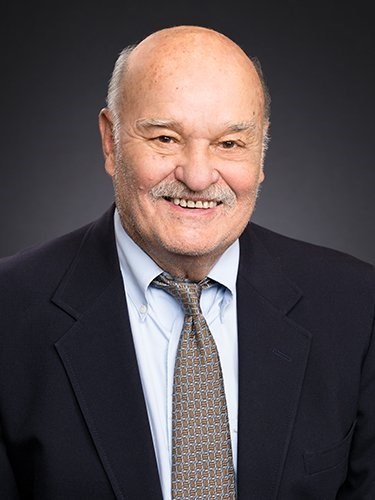
David Read Richards was a man of words and colorful expressions. One of his favorites was “sue the bastards,” a fitting motto for an accomplished civil rights and labor lawyer who relished a good fight on behalf of the disenfranchised and the underdog.
Born in Waco in 1933 to Leon K. and Eleanor Read Richards, David grew up in a home that valued education and community service. His father founded Richards Equipment Company, and his mother served on civic boards including the League of Women Voters. Though he spent much of his youth hanging around his dad’s company trying to prove he was handy with a tool, David was far more naturally inclined toward books and ideas—traits he inherited from his mother’s side of the family.
David attended Waco public schools, with brief wartime stints in North Carolina and Corpus Christi. In high school he met Ann Willis. After starting college at UT Austin, he transferred to Baylor, where he and Ann married at 19 and earned their degrees – David with a double major in English and History.
The couple moved to Austin so David could attend law school, where they launched their involvement in local Democratic politics. Despite a casual approach to studying, David graduated and, in 1957, joined the renowned Dallas firm Mullinax & Wells. There he found his calling, working alongside talented lawyers fighting for working people. In Dallas, he and Ann welcomed four children, met many people who would become lifelong friends and spent their free time fighting for progressive causes.
Conservative Dallas never felt like home, and in 1969 the family moved to Austin, the progressive heartbeat of Texas. Their rambling house in Westlake Hills quickly became a hub of political gatherings including fundraisers and letter stuffing parties. David and Ann fell in with Austin’s vibrant leftist community—Molly Ivins, Bud Shrake, Jerry Jeff Walker, John Henry Faulk, and many more. They marched with Texas Farmworkers, boycotted grapes and lettuce, attended rallies, and pushed cards for their favored candidates. Over the next decade, they were fixtures at Scholz’s Beer Garden, the Raw Deal, and the music venues that defined Austin culture: Threadgill’s, the Split Rail, and the Armadillo World Headquarters.
Raised in a refined, country-club environment, David bristled at and rejected anything he deemed elitist—especially golf, tennis, and motorized watercraft. Instead, he developed a deep love for Texas rivers and the outdoors. Weekends often meant campouts organized by Ann and canoe trips planned by David. Their property on the North San Gabriel River became the site of legendary gatherings – with tents scattered along the river’s edge, they would sing around the campfire and drink late into the night, arguing and laughing. Each summer they packed the kids into the station wagon and headed for South Padre Island, where David fished in the surf, drank Lone Star longnecks, and slipped across the border to Matamoros for margaritas and fried frog legs.
David possessed a photographic memory and devoured books with an ease other reserve for food. Influenced early by the tales of Robin Hood and his merry band, David seemed to emulate this in his life through his loyalty to his friends and his fight for justice. As an adult David read about history and politics and loved nothing more than to hold court, peppering his remarks with language not suitable for print – he never shied from a chance to verbally vanquish an opponent.
Upon returning to Austin, David opened a law office with his former Dallas colleague Sam Houston Clinton and served as the General Counsel for the Texas AFL-CIO. Their office also housed the ACLU and The Texas Observer. “Sue the bastards” became his battle cry as he pursued cases that reshaped civil rights and civil liberties across Texas.
David filed and argued many notable cases, showing a genius for finding plaintiffs in favorable jurisdictions. In an early impactful labor dispute, David represented the predominantly Mexican American workforce in the Economy Furniture strike in East Austin, helping them secure safer conditions and fairer wages. This important case set the stage for better strategies and alliances that helped future worker fights.
In 1972, David won the landmark case White v. Regester, which eliminated discriminatory at-large legislative districts in Dallas and Bexar Counties. The ruling paved the way for people of color—especially Black and Latino Texans—to be elected to office for the first time. This case set the precedent for the expansion of voting rights across the southern US.
The early 1980s brought change as David and Ann separated, and David began a new chapter with Sandy Hauser. The two created a life centered around the familiar progressive community and beloved haunts of David’s earlier years. David and Sandy married and had two children, Sam and Hallie. David took up running, soccer with his grown sons and softball, serving as the pitcher for the Raw Deal softball team.
From 1983–1984, David served as head of litigation for Texas Attorney General Jim Mattox, recruiting talented lawyers committed to helping Texas families. Bureaucracy wasn’t his natural home, and he soon returned to private practice, where he played a central role in Edgewood v. Kirby, the landmark school-finance case that forced Texas to equitably fund public education. In an ironic twist, the resulting law was dubbed “Robin Hood” echoing his fascination with how the Sherwood Forest band served justice.
In 1991, David and Sandy moved with their children to Santa Fe, where they embraced the outdoors, ran rivers across the Southwest and Mexico, and welcomed visits from old Texas friends, including Molly Ivins. Seven years later they headed further west, settling in Sausalito’s iconic houseboat community, where David loved the eccentric neighbors, learning the tides, and the renegade charm of boats that vanished overnight.
As his children grew up, California lost its charm and his marriage to Sandy ended, David returned to Texas in the early 2000s, folding easily back into his old circle. His sons Dan and Clark, by then both successful lawyers, welcomed him into their law practice, where David continued to dabble in legislative redistricting and other causes close to his heart.
Late in life, David found his final life partner, marrying Nancy Novack in 2016. They enjoyed trips to Marathon to sit on the porch with friends watching the sunset and the grazing deer as well as visits to Port Aransas. David and Nancy enjoyed an extended group of old and new friends, hosting lunches and dinners in their home. A perfect Sunday morning for David would include a cup of coffee, the New York Times Sunday crossword puzzle, the dog at his feet and birds at his feeder. On quiet evenings, David, cocktail in hand, would sit with Nancy on the patio watching as the last birds visited the feeder and the sun dipped beyond the horizon.
On November 13, 2025, David Richards passed away peacefully at home at age 92, surrounded by family. He is survived by his wife, Nancy Novack; his children Dan, Clark, Ellen, Sam, and Hallie Richards, 10 grandchildren and 1 great grandchild. He was preceded in death by his daughter, Cecile Richards.
Rest in peace, David—you fought the good fight.
Memorial contributions may be made to the Texas ACLU or Democracy Forward, supporting the work David valued most: protecting civil liberties and advancing justice for all.
Show your support
Add a Memory
Share Obituary
Get Reminders
SHARE OBITUARYSHARE
- GET REMINDERS
v.1.18.0