OBITUARY
Debra Davis Stanley
April 20, 1960 – October 22, 2015
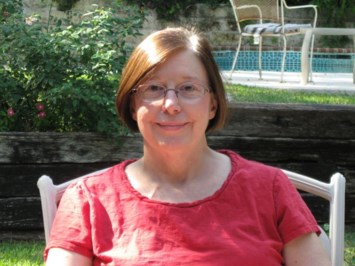
Debra was born to Petty Officer Third Class Richard Lee and Sally Broadwater Davis in Bethesda Naval Hospital, Maryland, on April 20, 1960. She was the first of their three children.
As a military brat, a term many Cold War brats were proud of, Debra came up in base housing on Naval Air Stations in Hawaii, California, Virginia and Maryland. Her father was a flight engineer on Navy cargo planes.
The family often struggled to make ends meet on the salary of a low-ranking enlisted man who, in old-school fashion, did not want his wife to work. They never went hungry. But sometimes the money ran out before the next paycheck and the family subsisted on beans and potatoes.
Other young girls, particularly those of commissioned officers, might get the clothes they wanted. Debra and her younger sister Sue made do, often wearing clothes their mother sewed for them. Until high school when Debra refused to wear homemade any longer. She worked after school at Sears to earn money to buy what she wanted.
By 1978, when she graduated from high school on Maryland's Eastern Shore, she was on course to become her family's first college graduate. She cobbled together available grants and money from jobs and chose the University of Michigan because her father had retired near it. She graduated in three years with honors. By then her family had moved to the Fort Worth area where her father was working as a mechanic on civilian cargo aircraft.
Coming home to them and the Texas she would grow to love, Debra worked her way up from small newspapers in Lewisville and Denton to the then-mighty Dallas Times-Herald.
In 1989, with the impending collapse of the Times-Herald, she came to Austin as an assistant city editor at the American Statesman. There she met Dick Stanley, a grumpy jack-of-all-trades reporter 16 years her senior who was immediately attracted. He asked her out. She politely declined. Managers were not supposed to date reporters. He bided his time for six months and, in early 1990, tried again. This time she agreed to go sailing with him on Lake Travis.
Dick was enchanted by Debra's enthusiasm, intelligence and kindness. What's this? she asked on his sloop. What's that called? Can I help over here? He soon fell deeply in love with her.
The only thing they had in common, besides the news biz, was that they were both military brats, he of the Air Force and she of the Navy. He was also an Army combat veteran of the Vietnam War. It was enough. They sailed almost every weekend for the next decade, at the end of which time they had been married for eight years.
He had failed at marriage several times and hadn't wanted to marry again. But she wanted children and she said if he wanted to continue seeing her, he would have to marry her. He couldn't imagine being without her, so they were married in April 1992, in the Zilker Botanical Gardens.
They honeymooned in the Hill Country and on South Padre Island because, a true Navy brat, she loved the ocean. They spent the last night in a "honeymoon from hell" fighting big waves and big winds on Lake Travis in a moonless dark because Dick, overwhelmed at having married again for the fourth time, had neglected to check the weather forecast.
In 1999, to their great joy, Debra became pregnant. When their son Jack Farrar Stanley (named for Dick's Corsicana grandfather) was born in February 2000, at St. David's Hospital, their sailing career pretty much ended. Jack was the apple of his mother's eye and his safety was paramount. The sloop was soon sold.
Dick retired from the Statesman in April 2006 to read, write books and become a student of the violin. Debra, who had stayed home with Jack for most of the intervening years, went back to work full-time. One summer afternoon before he became a first grader, Jack took a break from playing with his Thomas the Tank wooden trains to come tell Dad he had a great idea: Dad should go back to work immediately so Mom could resume being his full-time pal.
But Debra had truly missed the editing job she mostly loved. Jack endured. His mother spent almost every free moment with him, when she and Dick weren't attending the Austin Lyric Opera, concerts and plays. Their little family vacationed every summer in Port Aransas so she could be near the ocean. Remembering her own childhood hardships, she enjoyed spoiling Jack with the clothes and toys he wanted and cooking or buying whatever he liked to eat.
He was 14 and a new freshman at Anderson High School, where, like his mother in high school, he would become a superior student, when she was diagnosed with cancer. After months of the poison doctors call chemotherapy, she gained a five-month remission, and enjoyed her 23rd wedding anniversary. But the cancer soon returned, the poison no longer worked to do anything but cut her down and, despite her best efforts to survive for her son and husband, she was overcome.
Debra was preceded in death by her father, who also died of cancer, and her younger sister who was killed in a motorcycle accident. She is survived by her grieving son and husband, her mother, a younger brother, two nieces, a nephew and many, many stunned friends.
Dick and Jack offer their special thanks to the superb nurses of Hospice Austin who made Debra's last days endurable. We will never forget their sensitivity and skill at keeping her as comfortable as possible in her own bed at home.
Thanks to them, she was able to spend her last minutes calmly holding the hand of the son she adored.
A memorial gathering for Debra will be held Nov. 5 at 7 p.m. at Weed-Corley-Fish Funeral Home, 3125 North Lamar Boulevard, with eulogies by three friends and music by her favorite Austin musician, jazz violinist James Anderson, and his Memorial Quartet.
Show your support
Add a Memory
Share Obituary
Get Reminders
Services
SHARE OBITUARYSHARE
- GET REMINDERS
v.1.18.0