AVIS DE DÉCÈS
John Q Gregg
16 mars 1949 – 10 mars 2012
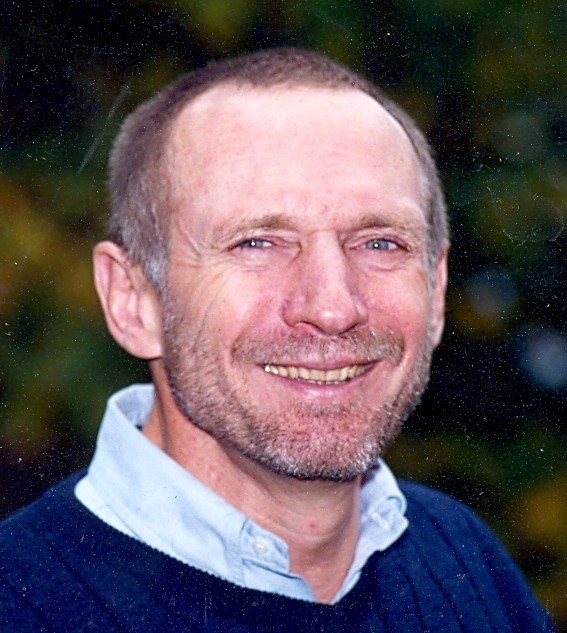
Born Gregory John Smith on the day between the Ides and St Patrick’s Day, 1949, John Gregg attended Yale College as a Yale National Scholar, and as a participant in the Yale-Carnegie Experimental Five Year B.A. programme. In this, a selected cadre designed a work-study programme in a foreign culture for the year between second and third. In the Peruvian Amazon he translated at a medical clinic, and taught “basic preventive parasitology” at an agrarian high school.
Following the May 1970 earthquake, which killed over 75,000, the Peruvian army dispatched him to the Andean town of Huaras. There, the entire town had been leveled, all citizens survived in a makeshift tent city. John organized a latrine building brigade.
On his return to Yale, he was tapped by Scroll and Key and made president of the Yale Rugby Club. But the US State Department was not to allow him to finish his education. He bolted first to Strathcona Park Lodge, then to Quadra Island, where he lived the remainder of his life. He logged, fished, built logging bridges, wrote short fiction and environmental journalism.
Remembrance Day 1985, he gave up drink; love and responsibility for his family was more important than life itself. He also forsaked environments and occupations he associated with drink, and in 1987, opened an insurance brokerage from scratch. In 1997, he sold it to focus in a area of financial service where he could create more value: coaching family prosperity.
A secular humanist, John knew the secret to life, “Live well; do good.” His early Quadra years focused on volunteerism, as board member, president, grunt for Quadra Recreation, Quadra Credit Union, Quadra Minor Fastball Association. He drew back when he noticed younger bodies willing to come on board, and to allow Anne, children gone, her time for volunteer opportunities.
An existentialist, John knew that we only continue to live in the telling, and he hopes that his children and his grandchildren will tell his stories, and that they have some value as moral guidance.
He did not die after “a courageous battle with cancer”, but he did die knowing it was the largess of North American society that killed him. The true war on cancer is a war against capitalism.
Montrez votre soutien
Envoyez Vos
Condoléances
Partager
L'avis De Décès
Obtenir les mises à jour
Prestations de Service
Partager l'avis de décèsPARTAGER
- RECEVOIR DES RAPPELS
v.1.18.0