AVIS DE DÉCÈS
Sylvia Ettinger
1 janvier 1970 – 15 janvier 2021
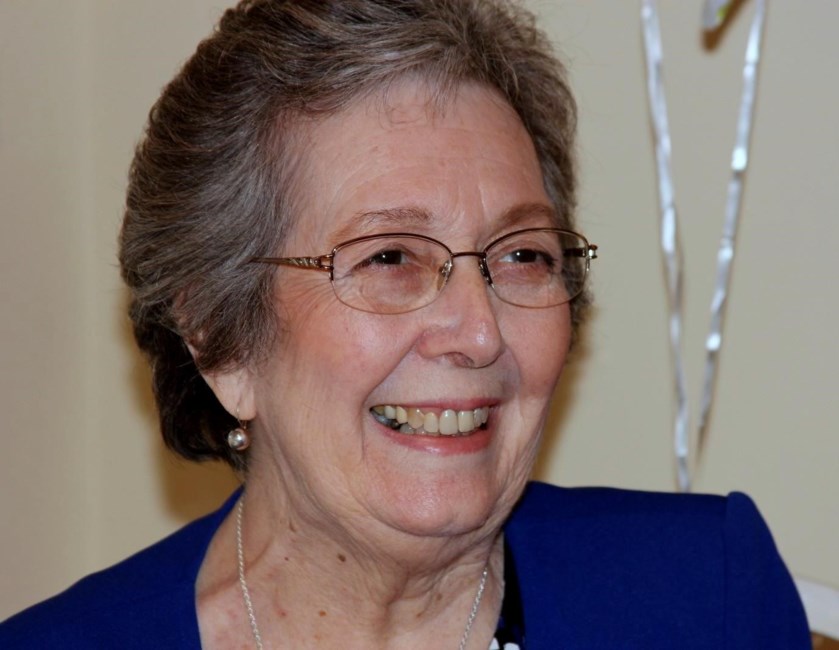
Sylvia was born in 1938 in Rochester, NY, the second daughter to Dinah Smallberg and Harry Bienenstock. Her sister, Marian, was 4 years older. As a child she liked to roller skate, play the clarinet and piano and loved to sing.
Unlike most women of that time, following High School graduation, Sylvia sought higher education at the University of Rochester. Proudly she was among the first women to reside in the newly constructed, Susan B. Anthony residence hall for women on the River Campus. It was there at the University of Rochester that Sylvia made a number of lifelong friends. While in college she spent a year abroad in France, which was wonderful. However, meant she was not present when yearbook photos were taken. To remedy that, someone was hired to paint a cap and gown onto her high school graduation photo, which is why she appears much younger than her peers in her graduating class.
Following graduation Sylvia began working for the Welfare Department in Rochester. She drove all over the city, visiting people in their homes and keeping track of their cases. While working for the Welfare Department she knew she’d found her life’s passion – helping people. To further her career Sylvia applied and was accepted with full scholarship to the Master of Social Work program at Columbia University. In keeping with her independent and determined spirit Sylvia then moved to New York and got an apartment on her own.
After graduating from Columbia University, Sylvia worked as a psychiatric social worker at Kings County hospital in Brooklyn. It was there that she met Alfred Ettinger, a young doctor who was doing his residency in psychiatry. After two years together they married and moved to an apartment in Brooklyn. They liked to tell people they "met at the crazy house."
Following the birth of her sons, Jacob and David, Sylvia paused her career to raise her family and in 1975 moved to Long Island to a big white house with green shutters. In addition to attending to the needs of the family: Sylvia stripped a lot of paint, refinished the staircase, roasted many a chicken and made a lot of brisket. She was an avid reader, loved tending to her garden, sewed many a bedspread and made lovely needlepoints. Of all the above activities Sylvia was most passionate about her piano which she played daily and beautifully, as well as participating and singing in the Great Neck Choral society.
In the mid-1980s when her sons were in High School, Sylvia decided that she wanted to return to work. She got a job at Elmhurst Hospital in Queens, where she worked in a locked psychiatric unit. Her role was focused on helping patients and their families navigate the non-medical components of the hospital stay and devising care plans for her patients following hospitalization. Sylvia worked as a Social Worked at Elmhurst Hospital for over 20 years.
As her husband Alfred’s health began to fail she took care of him at home as long as possible. When no longer possible she continued to care for him as she visited him in the nursing home every day until he died.
In her later years Sylvia worked for a state-contracted company that provided oversight for the public psychiatric social work system. She met with patients at hospitals and various facilities all over the county, reviewed their cases and advocated for them. While she may have not been terribly computer savvy, with her paper map in hand and map reading skills she was able to navigate easily to each location. In this capacity she continued working well into her seventies.
Sylvia enjoyed long talks at the kitchen table over tea late into the night, talking about politics and history. Oh, she would’ve had a whole lot to say about the recent events in our country.
She continued singing with the chorus as long as she possibly could - it was a huge part of her life for many decades.
It’s not an overstatement to say that Sylvia was uncommonly humble; it was truly a prominent characteristic of her personality. She was gentle, kind, and disinclined to dismiss the opinions of others or impose her own opinion. Her empathy for people came from a belief that the motivation behind other people's actions is often complicated and occurs within their own personal historical context. She strongly believed that all people have their story and reasons, and that they deserve to be heard.
Sylvia and her smile, big heart and contagious laugh will be missed by all whose lives she touched.
She is survived by her two loving sons, two daughters in law, and one grandson.
Montrez votre soutien
Envoyez Vos
Condoléances
Partager
L'avis De Décès
Obtenir les mises à jour
Prestations de Service
Partager l'avis de décèsPARTAGER
- RECEVOIR DES RAPPELS
v.1.18.0