
OBITUARY
Mrs. Shizue "Sue" (Shoji) Allen
July 9, 1929 – April 1, 2021
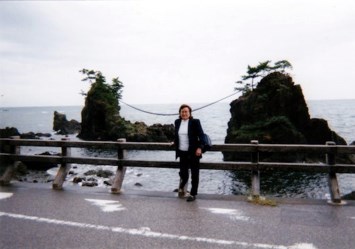
Shizue (Sue) Shoji Allen, 91, passed unexpectedly, April 1, 2021, at 1158 P.M. at home in the arms of her husband, Willie, as she wished. She was born July 9, 1929, in Horikiri, Katushika-Ku, Tokyo -To, Japan, the first daughter of Mother Tsuruno (Nagai) and Father Sakae Shoji. Shizue often mentioned that her actual date of birth was June 16, 1929, however, because of Japanese holidays and closure of City Hall, her mother Tsuruno filed her birth records late and thus, her date of birth was reflected in official Family Registry and records as July 9, 1929.
Growing up during very trying and turbulent times in the Empire of Japan, Shizue was an honor student and Class Leader in Elementary and Middle School before Japan, during WWII denied pursuit of tertiary education at High School or higher to females. Later, after WWII’s end, to compensate for this policy through special testing and evaluation of life experiences, Shizue’s education level was determined to be the equivalent of an Associate Degree as compared to American College Standards.
It was love at first sight for Acting Sergeant Willie Allen, when he first saw Shizue during his engineer unit’s special deployment to Japan from Korea to work on a restoration project at a US Army Air Base in Japan. After overcoming US military discriminatory and restrictive policy and regulations as well as racial barriers they faced in Japan, Korea and the Far East during Post WWII and Korea Conflict era, their lives began together in the United States in Missouri. Shizue spent most of her life together with her husband and family as a US military and civil service homemaker by choice, in support of a Military and Federal Civil Service career for a combined total of 49.6 years. Shizue received recognition from Department of the Army and Department of Defense for her selfless service and support over all those years. They celebrated over 59 years together in September 2020.
Shizue enjoyed outdoor activities until injury and age began to take their toll. Some of her fondest memories were traveling by car on road trips with the family through Europe camping, exploring and visiting many places in Germany, Austria, Switzerland, France, Belgium and Italy.
She especially loved gardening and enjoyed all the good things she was able to grow in her own yard. She was an avid skier and a member of the Kanto Ski and Snowboard Club (KSSC) at the US Yokota Air Base and Camp Zama, Japan from 1978 to 2004.
Prior to her husband’s military and civil service retirement, she was also a member of the Camp Zama Japan Sportsmen Club, and various military officer and enlisted wives’ clubs in Japan and the Federal Republic of Germany as well as a staunch supporter of Parent Teachers Association (PTA) in the Department of Defense Dependent’s Overseas School System(DODDOSS) in Okinawa, Japan, Honshu, Japan and Germany. After their move to Washington, she became an active member of the Renton Fish and Game Club, Renton Highlands East, WA.
One of her greatest joys was finally purchasing their first and only home in the US. Shizue was a great mother and parent who emphasized education as ultimate. She supported daughter Chiemi and son Hiroki in their academic pursuits and supported Hiroki in Scouts of America activities as well as his participation in Department of Defense Youth Activities, High School American Football, and Band as well as Track and Field activities overseas. During their temporary stay in Colorado Springs after Willie’s military retirement, she voluntarily supported the Wasson High School, Colorado Springs, Colorado Football Team where their son Hiroki was an active member until their return to Japan.
Shizue was proud of both children for their academic achievement in school, and other attributes and demeanor. Most of all she was extremely proud of her husband and his personal sacrifices on behalf of their family and the Japan family including his genuine concern for their health, safety, morale, well-being and general welfare. Most of all she said, considering his prior life of poverty, degradation, racial prejudice, discrimination and miscegenation during and post WWII, the 40s and 50s, how exceptionally proud she was of his overcoming all odds and his achievements in two careers. Sometimes her pride and joy were hard to conceal or disguise, but we all knew it was there.
She was a superb wife, lover, companion and friend as her husband always extolled and assimilated into American culture and life with little effort. She was well-loved and highly respected by Willie’s family in Mississippi and elsewhere in the US. A special love developed between her and his mother that became an unbreakable bond that endured until the mother’s transition in 1987. His sister Carolyn, two brother siblings, and their families also established lasting strong bonds with Shizue.
Now, her husband and the entire family in the US and Japan have a great and empty void in their lives that is painful and extremely hard to fill or accept. She loved her granddaughters Cristina and Crystal as well as great grandchildren West and Jax very much and regretted that she was unable for personal, medical reasons, geographical, and travel restrictions to spend more time during their developmental years.
In addition to her parents Sakae and Tsuruno Shoji and grandparents, she was predeceased by a younger sister and four brothers in Japan before and during WWII. She is survived by two sisters in Japan, Sayoko Koga and her spouse, Hidemi; and Yuko Kato and her spouse, Masao in Chiba City, Chiba Prefecture, Japan as well as two nieces, Yoko and Naoko and two nephews, Mitsuo and Teruaki and their families.
Shizue is also survived by her beloved husband of 59 years, Willie H. Allen of the home; daughter Chiemi (Carol) Eley and husband Russell Eley, Maple Lake, Minnesota; son, Hiroki Allen and wife Katsuyo, Tokyo, Japan; two granddaughters, Cristina Elizabeth Tsuruno Eley and husband Todd, Minnetrista, Minnesota; Crystal Jin Eley-Wald and husband Joseph Wald, as well as two greatgrandchildren, West L. Wald and Jaxton James Wald, Manhattan, New York.
A service of remembrance and celebration of life with Pandemic restrictions in effect will be held on Thursday, April 15, 2021, 1:00 p.m. at Greenwood Memorial Park and Funeral Home, 350 Monroe Avenue, NE, Renton, Washington, 98056. In lieu of flowers, those wishing to remember Shizue in a special way may make gifts or donations in her memory Via mail to The American Kidney Fund, 11921 Rockville Pike, Suite 300, Rockville, MD 20852 or online at: www.kidneyfund.org.
_________________________________________________________________
Shizue Allen's Story - Everlasting Memory
A Life Well-Lived
Shizue was born in early summer 1929, about four months before the Great Depression and three years after the beginning of Japan’s Showa Period (December 25, 1926 – January 7,1989) when the Crown Prince Mishinomiya Hirohito ascended to the Chrysanthemum Throne as Emperor of Japan. Her first name is derived from Shizu a Japanese name for girls meaning “Quiet”. However, her given first name is recorded as Shizue meaning “Quiet Branch” in Japanese.
Her mother Tsuruno said that name did not fit her as she demonstrated an excitable personality and a very rebellious nature in early childhood that carried over to post WWII. As a late teen she joined with other youth of the time against the “old ways of Japanese culture” especially after exposure to American culture during the US occupation of Japan from August 15,1945 to June 1952. Although her mother continued to call her by the name Shizu, she was indeed a changed person.
Shizue’s mother Tsuruno Nagai was a teenage bride, age 14 wed to an older man, Sakae Shoji who fell in love with her at first sight. This was not uncommon at the time according to Japanese culture and customs. Shizue, their first child, was born in the early summer of 1929 just before the beginning of the Great Depression when much of the civilized world’s economies were negatively impacted. This was a trying and turbulent time for Japanese. In the early 30s, Japan was already involved in pre-WWII as the Emperor and his war cabinet set about expanding Japan’s presence throughout East and Southeast Asia and carved out a vast empire.
For almost four and one-half years before December 7, 1941, Japan and China had been embroiled in an undeclared war of continental proportions because of Japan’s expansion of its military might in what was called the Greater East Asia Co-Prosperity Sphere. The Japanese people were already on a war footing and sacrificing greatly. Already there was so little. Clothing was rationed and food had begun to disappear. All their sacrifice was for the military and they had plenty of everything. So, her family suffered greatly and her early childhood before WWII was filled with much hardship and life challenges including hunger, great floods, earthquakes, tsunami, and disease that wreaked havoc on all.
With limited detail, Shizue’s life story in Japan at the time is one of severe suffering and deprivation. Most of her siblings including four brothers and a sister, as well as grandparents succumbed to varied disease such as smallpox and tuberculosis. Her father Sakae Shoji died some time shortly after the birth of her sister Sayoko leaving her mother a single parent with no male support.
Her husband states that he wishes he could explain in detail the miles from Tokyo that Shizue had to walk during WWII to what are now Ski areas in Gunma and Niigata Prefectures to forage for potatoes and other food items and then face the possibility of being discovered by the notorious Kempeitai (Secret Police) who would often confiscate her treasure and send her home with nothing. (As an example of the distance she walked, a bus trip by their Ski Club from Tokyo to the same area would take as much as four hours or more). Most notably is the fact that these long treks had to be done under the cover of darkness to avoid bombing and strafing by US military B-29 and other aircraft that preyed on Japanese civilians toiling in the fields on their daily runs over the countryside.
Shizue often mentioned that sometimes hunger was so bad that she would risk the day-time strafing to try and find food. During this time, she and other children sort of made a game out of dodging the aircraft strafing and soon learned to watch the strafing runs and patterns aimed at them and the angle at which the aircraft were attacking, usually at 45 degrees. In this case, they learned how to see the pattern and avoid being hit. This was extremely dangerous and sometimes the children lost. However, this did not deter them from their appointed tasks of finding much needed nutrition and safely bringing it back home. She often laughed loudly when she would brag as to how dodging the strafing patterns had enhanced her already 100- and 60-meter dashes speed.
When Japan attacked the US, December 7, 1941 (December 8, Japan Time), Shizue, age 12, was a 6th grade student attending an all-girls school in Tokyo-To near their home in Horikiri. After the US air raid on Tokyo, April 18, 1942, children enrolled in the 3rd grade and up were sent to the countryside in evacuation from 20 cities in Japan. Shizue’s school was not among those and therefore she continued schooling near her home in Tokyo. She considered herself lucky as by April 1945, the number of children evacuated and separated from their home and family totaled 450,000, many who were never reunited with their families.
Because of her academic excellence and demonstrated leadership ability she was designated Class Leader throughout her elementary and middle school days before and during the war. She also excelled in track, participating in 60m, 100m and anchor in the 4 x 4 relay. Her mother said that “Shizu” always made her proud when she participated in the frequent track meets or Field Days held at various schools in the Tokyo area. In short, she was a winner and exceptional student. Shizue said her mother Tsuruno was her biggest fan and support as evidenced by her loud enthusiastic vocal support during competition.
During the latter days of the war, many Japanese men were sent out of Japan to fight the war and a very large percentage did not return. While the men were fighting in the Pacific Islands or in Asia, the women worked in factories and the fields, and raised their families. Because of male shortages in the factories supporting the military effort, her schooling was interrupted when she was trained and ordered to work shifts in the Mitsubishi Aircraft Industry manufacturing small parts for the wings of military aircraft; a job that she said although tedious, was challenging for a middle school student but also important. She had no choice but to report for her work there or face the wrath of Japan’s notorious Kempeitai (Secret Police).
The world has never seen as devastating a war as WWII in the Pacific Theater. The dropping of the atomic bombs on Hiroshima and Nagasaki caused destruction never experienced in the world. Also, adding to this devastation and often overlooked, were the fire bombings of Tokyo, Shizue’s home, where loss of civilian life and damage inflicted far exceeded the atomic bombings. Most of those who endured this calamity were women, children and the aged. Death of her siblings and later her father, made her mother a single parent with no male support and placed Shizue and her surviving sister Sayoko in this category.
In their quiet moments together as they often did, Willie and Shizue would talk about their childhood and experiences during and post WWII. Often, the conversations and her memory would return to the horrors and suffering of war in her country Japan that she witnessed and experienced as a child. Some of her experiences are covered in this short life story. She would always end up talking about one of the most horrifying events that occurred towards the end of that war in Tokyo that impacted that city and its civilian population as well as the psychological and emotional toll it had on her childhood and single parent family.
Shizue mentioned the first US air raid on Tokyo and other cities there April 18, 1942, 4 months after the attack on Pearl Harbor when the US suffered one of its most devastating defeats by Japan. That raid did very little damage to Japan and according to US sources was carried out to restore America's honor and significantly shored up the people's morale. The mission has become one of the most iconic events in US history. Shizue often said that air raid on Japan was nothing as compared to the most disastrous firebombing in the history of warfare by the US and B-29 aircraft that occurred towards the end of the war, March 9 and 10, 1945.
Shizue was 15 years of age when the firebombing of Tokyo and their home in Horikiri took place that night. She recalls the radio broadcasts and martial music being played over and over on December 8, 1941 as Japan celebrated and lauded success of the attack on Pearl Harbor. Although the fire bombings were barely mentioned publicly, she provided revelations over many years of her family and other civilian victims in Tokyo as well as other cities in Japan impacted by the bombings late in WWII. Over the years whenever they would talk, Shizue would relive the events of that night caused by "America B-29 Bombers" and the wanton destruction of Tokyo industries and factories interspersed among the civilian population.
The mass fire bombings were part of a systematical US plan and campaign of razing and targeting the civilian population to destroy Japan's will to fight beginning in late 1944 and continuing until the end of the war. It was focused on the destruction of Japan's industrial capacity that was interwoven with residential areas. Although there was concern by the US about ethical implications of targeting civilian areas. the need to expedite Japan's surrender and avoid a costly invasion as well as other military intelligence considerations outweighed those concerns.
Early in the morning of March 10, 1945 as most Japanese slept in their low-rise wooden homes, the first B-29 bombers dropped their sets of what were called "Marking Fires," for the rest of the B-29 force to aim at. Between 0130 and 0300 the main force of B-29 Bombers dropped their deadly load of M-69 clusters on the unsuspecting targets in Tokyo, Japan. As Shizue recalled, at the time she was asleep when the bombs began raining down. Although they had experienced US Air raids since April 1942, she thought that this one was no different. However, her mother told her that this one was different and they had to leave their home right away and get to an underground shelter quickly! She recalled putting on her clothes, shoes and picking up her emergency rucksack and fireproof wrap she kept by her pillow and rushing out the house with her mother and Sayoko. The fire had not reached Horikiri yet so they made it to an underground shelter nearby safely.
Shortly after, the fire had reached their district. As they huddled together inside the shelter, they could hear the mayhem that was happening outside. Footsteps overhead and the sounds of people fleeing, their voices rising, children crying and screaming. Parents were also screaming their children's names. All of a sudden, her mother said they had to get out of the shelter before they would be burned alive. She believed the flames and smoke would easily overwhelm the shelter door. But once outside, they were face to face with unimaginable horrors and a crush of people trying to escape. Everywhere Shizue turned she saw flames. They all held hands together as they tried to race down the street to another shelter.
The bombs unleashed by the B-29s created many Tat-su-maki (Tornadoes) of fire that were so intense that they pulled mattresses from homes and sent them hurling down the street along with furniture and people. The flames created consumed all this and turned them all into balls of fire. Shizue said the streets and roadways were like rivers of fire with homes and their contents, tatami mats, futons, rucksacks, all in flames. She recalled that while trying to reach shelter she briefly let go of her mother's hand and at that time, her mother and Sayoko seemingly were swept away in the crush of people trying to escape.
As the flames swept in, Shizue kept screaming for her mother and sister Sayoko. At that moment, she felt someone wrapping themselves around her; protecting her from the flames. Soon, more bodies piled on. She was pushed to the ground along with the bodies that were wrapped around her and she was finding it harder and harder to breathe and remain conscious beneath the crush. She recalls hearing many cries and muffled voices within the pile of bodies on top of her and those wrapped around her. Soon there were no more voices; only silence. When she was finally pulled from the pile and realized that she was still alive, she saw that the bodies wrapped around her were her mother and sister. By some miracle, after falling to the ground, all three had been shielded from the fire by the charred bodies above them and were finally able to breathe.
Shizue said that she had no explanation as to what miracle(s) had spared their lives that night. In the early morning of March 10, 1945, with fires still burning and smoldering all around, Shizue, her mother Tsuruno and sister Sayoko had just survived the deadliest bombing raid in history. She could only say that they were saved by Kami-Sama (God). Yet, they had not seen the worst of that night as they reached the Sumida River in Tokyo and witnessed the horrifying scene piled up at the river's edge with the suffocated, burned and charred bodies of those trying to escape the firebombing. A scene that she said could never be erased from her mind and memory. Later in life, she summed up the suffering of her people as victims as well as their incomprehension of what was being done to them. She said most of her generation came to grips with, and conclusion that the war had been fought on both sides with savagery and on the Japanese side with unbelievable cruelty.
When the war ended on August 15,1945 Shizue had completed Middle School. Her academic excellence and life experiences qualified her under Japan’s education system at the time for entry into high school above the entry level. However, many Japanese females such as Shizue born in the 20s and 30s had to leave school, to help at home and perform other tasks during the growing militarization of Japan and the following war. Thus, tertiary education beyond senior high school at college levels was basically closed for women.
Within two weeks after Emperor Hirohito announced Japan’s surrender, the American Occupying Force landed in Yokohama. By the end of August 1945, half a million US troops were stationed in Japan and by 1947 their number had increased to 1.5 million stationed throughout Japan.
After the surrender and occupation of Japan by Allied Forces, the new Japanese Constitution of 1947, written under the orders of US General Douglas MacArthur reestablished marriage on grounds of equality and choice, i.e. “marriage based only on mutual consent of both sexes and maintained through mutual cooperation with equal rights of husband and wife.” The age for marriage had been changed from 16 to 18. Adulthood or “Coming of Age” was not reached until age 20. However, marriage was the furthest thing on Shizue’s mind as faced with the many scars from the war, she and her mother focused on the fact that they still had to survive through foraging for food and other necessities for their survival.
In Tokyo, there was a definite shortage of young Japanese males at Shizue’s age level and most of her friends were young females, some from her school days and work during the war and others that she met during what most young girls and women believed was an exciting time, post war. They formed small groups or gangs in and around the Tokyo area and as most young Japanese at the time, were a bit rebellious of the old ways in Japan, particularly after watching the young occupiers and their imported lifestyles.
Many got involved in mischief and other activities that were frowned upon by the older generation. Many of Shizue’s friends dared to meet and socialize with these young Americans against opposition from family and the general Japanese population. They watched as the young adult Japanese women developed relationships with these foreign occupiers and eventually married. Their change in lifestyle became the envy of their friends and family left behind. Some Japanese families, watching young female members socializing with and marrying these foreigners, disowned them, as they believed that such behavior with a former enemy brought disgrace and dishonor to the family and Japan.
In her late teens, Shizue continued to adjust to a new way of life under the occupation and embarked on self-education with some assistance, public and private, and to find ways to help her mother in taking care of the family. In mid-1947 after she turned 18, life at home became a bit difficult for Shizue especially with all the temptations and lure of adventure with the occupation forces in the Tokyo area. So, her mother arranged for Shizue to live with her aunt in Yokosuka who ran a Minshuku or Inn there and needed help. Yokosuka was a seaport in Kanagawa Prefecture on the western shores of Tokyo Bay and South of Yokohama.
At the time, Yokosuka served as a major base for the US Navy. Shizue began working in her aunt’s Inn as a maid and general helper performing cleaning and other household chores including occasional kitchen and food service work. She was not too happy leaving metropolitan Tokyo to work for her aunt, but eventually settled down and began enjoying her life there, especially with the moderate stipend she was paid for her work that she saved to help her mother and family in Tokyo.
Shizue admitted that initially she was afraid of the US occupiers because of the indoctrination Japanese women and girls received during the war. The knowledge the Japanese public had about the Americans was primarily from wartime propaganda. They feared that many would be brutally killed, women and girls raped, and their cities looted by the murdering foreign devils. Women were ready to commit suicide, girl’s schools like those Shizue attended were closed, daughters were hidden, and some girls even tried to disguise themselves as boys.
She often mentioned the time when she lived with her aunt in Yokosuka, near the huge US Navy Base there. The Americans had opened an Enlisted Men’s Club off base on a street that she had to pass on the way to go shopping downtown. In telling the story, she laughed a lot and made us laugh also as she pantomimed the disguises she came up with when passing the young US occupiers who congregated outside the club for “girl watching”. She said that she would wear Monpei (baggy female pants) as required during the war, muss up her hair, walk with a limp, and present the appearance of being cross-eyed with her tongue protruding from the side of her mouth frothing as she passed these young men. She said this gave her some neutrality and marveled at how effective her disguises were as she received little notice from them and passed safely.
There were two basic categories of Japanese Women: Those who remained faithful to traditional Japanese Culture and Family and “Japanese War Brides” – The sisters and daughters of the ferocious enemy that attacked Pearl Harbor on the “Day of Infamy”; an enemy that surrendered four years later after waves of firebombing on Japanese cities and the dropping of atomic bombs. These were the women who during the period 1945 – 1952, married men who occupied their country so that they could escape Japan and find a new life in the United States. Studies show that they did not marry because of love, but rather a necessity of life. Those they married were American citizens, usually a member of the Armed Forces, who was in Japan as a result of US military activity during WWII or subsequent military occupation. (Mostly Young GI’s ages 18 – 23). The other group were Australian military men part of the Allies occupation force.
The other Japanese category was those young Japanese women such as Shizue and her generation, who after displaying hatred and dislike of the foreigners (Gaijin) rebelled against the “old ways” in Japan and enjoyed socializing with the young American men. Many in this category, did eventually marry for love and not so much for leaving Japan and going to America. Both Japan and America tried to prevent their occurrence, yet thousands of Americans and Japanese married. Documentaries that are produced for Japanese TV and other media even today often portray these women in a negative manner.
Later, when she returned to her home in Tokyo, her mother Tsuruno had remarried and there were two new additions to the family, a younger sister Yuko and a Stepfather. Shizue had already come of age and been employed in several jobs in her late teens. Because of the limited skills of most females in Japan and closed Tertiary education, the wages were minimal, and her employment was mostly as OL’s (Office Ladies) who in addition to their regular job, basically prepared and served Ocha (traditional green tea) for the mostly male visitors.
Many of her old schoolmates and friends since WWII had reached the age of adulthood and acquiesced to the charms and draw of the dashing and exciting life of the occupying US military personnel and successfully married some of the soldiers, sailors and airmen. According to rank and service of their spouses, many were residing on or just outside US military Bases in newly built post-World War II housing for American military families assigned there. The housing was usually similar to a small village of 1950s rows of identical American-style houses reminiscent of classic sitcoms like "Leave it to Beaver." These created a sort of home away from home for those US military families and offered a bit of Americana to enhance the morale and welfare of the occupying troops during their tours of duty in Japan. Here, there were movie theaters, Post Exchanges (PXs), even off-base in downtown Tokyo, providing reasonably priced American goods, household items, furnishings and the comforts of home.
Additionally, there were the commissaries that provided American food other than military rations including meat, produce and other delicacies unseen in post-war Japan. There were also US Officer, Noncommissioned Officer, and Enlisted Men Clubs that offered off duty dining and entertainment such as games, dancing and floor shows often involving Japanese entertainers and singers as well as occasional celebrities and entertainers from the US. There were also family housing areas with schools for dependent children, sports and athletic facilities.
Family housing units on and adjacent to base also had immaculate and spacious well-manicured lawns maintained by local Japanese Nationals who performed landscaping and related tasks in the community. This offered many opportunities for Japanese to have employment at much better negotiated wages and enjoy many of the amenities that the US bases presented. For many Japanese, after the ravages of war, this environment was indeed a “paradise” here on earth that many yearned to be a part of. By the Mid-50s, Shizue had acquired employment with Japan’s Ministry of Agriculture downtown Tokyo that was a step-up from previous employment that she enjoyed very much. Shortly after Allied occupation ended in 1952, due to their attractiveness and fairly good looks, both Shizue and her sister Sayoko had short part-time stints modeling Western-style women clothes in Yokohama, Japan. She was also able to visit with some of her friends who had married US military personnel on and near bases in and around the Tokyo area.
As fate would have it, Specialist (Then, Acting Sergeant) Willie Allen had been assigned to the Republic of Korea as a Combat Engineer in maintenance, Engineer Equipment Operations and demolition. As part of the Eighth Army Engineering Command and Japan Restoration project, part of his unit in Korea was temporarily deployed to Japan on special duty for 90-120 days at what was a former Japanese Air Force Base, Irumagawa Airfield, (renamed Johnson Army Air Base) in Sayama City, Saitama Prefecture, North of Western Tokyo, Japan.
Irumagawa was a major US Army Air Base during the occupation and later during the Korean War in the early 1950s supporting the US and United Nations combat mission. Under the US-Japan Joint Use Agreement, the United States Army/Air Force was scheduled to end its use of the base in June 1962. Thus, the use of Army engineers from various locations in the Far East Command to help prepare for that event.
As mentioned earlier in her Obituary, it was love at first sight for Willie as he saw Shizue for the first time walking down the stairs at the NCO Club on then, Johnson (Iruma) US Army Air Base, Japan. She was the guest of an old friend of hers and her husband, a Senior Airman at the base on Bingo Night. Shizue had not met him and certainly did not know who he was. As he relates, he expected to hear the music “Love is a many splendored thing, “ a 1950s movie theme song," as Shizue floated from the stairs to his table in the club. Something, he told himself would bring them together before he returned to his duty station in Korea.
He saw the family that was sponsoring Shizue on base and later after personal inquiries located the airman and his Japanese wife and introduced himself. They became good friends during his stay at Johnson. When he told them that he would like to meet Shizue, the wife told him that she believed Shizue already had a boyfriend and male Japanese friends. He said he did not care and since he would be in Japan for a short period of time, only wanted to meet her. Eventually they arranged for them to meet at their home in military housing called "Johnson Town". Remnants of Johnson Town still exists today; now occupied by the general Japanese and small business public with preferences for US style living.
Initially, because she was a few years older than him, Shizue looked upon Willie as just another young American boy alone overseas longing for companionship. After their first meeting, she gave him the nickname, “Junior,” However she did like him and enjoyed his company on the few occasions they were together when she visited her friend. She didn’t know that he was in love with her and only thought of him as an occasional acquaintance.
Eventually, Shizue found herself increasingly looking forward to their visits and they began spending more time together secretly in and around the base and Sayama City away from the bustling city of Tokyo. They were very careful not to spend time in Tokyo-To or places near her home in Horikiri. Shizue had severed her relationship with her male friends on and off base and as their relationship blossomed, she found herself making extra efforts to enhance her English language ability through use of American comic strips from the US military newspaper, Stars and Stripes and comic books provided by her friend on base and Willie. Shizue also said that she was surprised to find that Willie had a beautiful voice for singing and often would sing a song or two with some of the visiting bands at the club and would often serenade her with ballads and some love songs. All this time, Shizue managed to keep their relationship secret from family and other friends in Tokyo.
As the days of his temporary duty dwindled down, he still had not told Shizue that he was in love with her. He told her friend that he had been in love with Shizue since the first time he saw her and did not know how to express that seriously. One weekend during one of her visits, her friend told Shizue that Willie was very much in love with her and did not know how to express that in Japanese. She had tried to help him by having him practice the Japanese phrase “Watashi-wa Anata-o Ai-shimasu” although he had difficulty with it originally, he finally grasped it as well as a few related expressions and was able to communicate his feelings to her very well. This came as a big surprise to Shizue as she also had become very fond of him but always thought of their relationship as casual that would end after he returned to Korea.
Their relationship and time together became more serious and finally he told Shizue how much he loved her and wanted to spend the rest of his life with her. She was amazed at how well he was able to express his feelings in that way and as Shizue stated, at that moment she also realized that she may have been in love with him; a feeling that she had not experienced with anyone before. This became increasingly frustrating for her also as the question of the age difference and the difficulties they would face in trying to establish a life together between two different cultures and customs were foremost in her mind.
Shortly after, Shizue’s stepfather passed leaving her mother a single parent again. At the same time, her mother discovered their relationship and like most Japanese was very angry and strongly opposed to any contact between them. As Shizue related, her mother Tsuruno had a very strong dislike and much disdain for this Gaijin (foreigner) who dared to steal her first born from her. The fact that he was a person of color further exacerbated her dislike and disdain almost to the point that she became very seriously ill.
This troubled Shizue very much, however, because of her rebellious nature and the fact that she had reached adulthood and found herself in love, she stood her ground and made up her mind to face the challenges ahead. At the time, marriage between a US military member, especially one of color and a Japanese or Korean female in the Far East Command seemed nearly impossible because of myriad obstacles and barriers prescribed by unchanged regulations and directives in Japan and the Republic of Korea (ROK). These were designed Post WWII and the Korean War to prevent interracial marriage to US military personnel, particularly Americans of color. Regulations also required command approval and that he be assigned to a unit in Japan. The thought that his temporary duty in Japan would be ending in a few months or so also lingered in her mind and placed a great strain on their relationship. Because of this all efforts to overcome them while in Japan were unsuccessful.
After a one-month extension of his unit’s deployment to Japan, the temporary duty came to an end, further complicating things for them and their plans. Before his departure there were many tears and genuine pain and heartache for both amid promises to keep fighting to realize their dream. However, to his surprise, after returning to Korea, he was able to receive a 3-month extension of his tour of duty in the ROK due to shortage of replacements for his unit and after that, an involuntary 3-month extension because of events occurring in the ROK Government and US military contingencies. These bought additional time for him to try and bring his marriage problems to resolve. He had many opportunities, at the time to take short leaves of absence to visit Japan on what was called in military jargon, “hops” aboard military aircraft that flew regularly to and from Korea and Japan to bases near or in the Tokyo area.
Most of these visits were usually very short and over weekends where very little could be accomplished. As a result, despite many visits back and forth to Japan, he was not able to accomplish very much. Despite having an outstanding and understanding Engineer Company Commander, a US Military Academy West Point Graduate who acknowledged him as an exemplary NCO, once his intent to marry a local national was made known, as his tour in Korea was nearing an end, he received orders for an Inter-Theater assignment from Korea to a second tour of duty in the Federal Republic of Germany. This broke Shizue’s heart and was a traumatic experience for her as all their plans now, seemed hopeless. Additionally, his absence from Japan began to take its toll on their relationship.
Fortunately, transportation on reassignment to Germany could not be accomplished by direct travel from Korea. Therefore, his orders authorized travel to the US with a 30-day delay and leave before reporting to an embarkation station in the US for travel to his new assignment in Germany. During this time, Department of Defense and US Army restrictive regulations and directives concerning marriage by US personnel to local nationals in former enemy countries in Europe and the Far East were changing with many restrictions and barriers amended or removed. However, the requirement for applications with command approval remained. All this time, in desperation, he had been researching and finding ways legal and some not so legal to avoid or bypass restrictive directives on marriage while assigned to Japan or Korea. He also had found ways to telephonically communicate with Shizue from the US via other channels and avoid military and international restrictions at the time. This was a very difficult time for Shizue as she felt helpless without his presence in Japan.
While processing for his travel from Korea and embarkation to Germany, something spurred him to “go for broke” so to speak and write a letter directly to the Pentagon and the US Army Adjutant General in Washington, DC citing his case and requesting diversion from a second overseas tour in Germany and retraining in administrative or other military occupation specialty than combat engineers or other related maintenance and service specialties for which he was qualified. He provided his leave address while in the US for a response. The chances of his letter receiving anyone’s attention at the Pentagon, he thought, were very remote, but in desperation, worth a try.
In a relative short period of time, while on leave at his home in Mississippi, he received a Western Union Telegram from the US Army Adjutant General directing him to disregard his orders to Germany, change course and upon completion of his delay and leave report to Fort Leonard Wood, Missouri, US Army Engineers and Training Center Special Troops for retraining in an occupational specialty that would be in the best interest of the US Army and his military career goals. (That telegram remains preserved among the family treasures). This was indeed a miracle and confirmation of his exemplary military record and service in the US Army.
With this additional time on hand, he began working earnestly to seek and find means of overcoming the difficulties of trying to accomplish marriage and now Immigration and Naturalization requirements from the United States with Shizue and an addition to the family. Without going into detail, with Shizue’s help and exceptional efforts in Japan, after lengthy legal actions and overcoming challenges regarding the legality of things including civil ceremonies, et al. although some questions remained, through Divine Intervention and determined efforts by both in the US and Japan, most of their problems eventually resolved. Their lives together in the United States began in rural Missouri.
Unknown to Shizue, Sergeant Allen wrote a lengthy and translated letter to her mother in Japan professing his love for her daughter Shizue and family and to allay her fears of her daughter’s life in the United States. The letter included a sincere and solemn promise to return Shizue back to Japan. It also provided a portion of his life’s story and struggle as a person of color in the deep south of the United States under then, Jim Crow Laws and how his family endured and persevered during trying and turbulent times before, during and after WWII. From what Shizue related, the letter came as a great surprise to her mother and family and had a profound effect on her as well as her feelings towards him. Shizue believed that her mother kept that letter somewhere among her personal possessions for several years until her passing in 1988.
As time passed, the family began to settle down and adjust to life’s routine in Missouri with very limited social activities and interactions with others outside the closed environments within the segregated mobile home park where they resided. Each time Shizue received letters from her family in Japan, there were indications that she really was missing her home, family and life in Japan. Although she did not openly complain or raise the issue, it was evident. This caused some great concern and prompted Willie to strive to resolve all other legal issues and make all efforts to fulfill his promise to Shizue’s mother to return her back to Japan.
During that time, it was very difficult to obtain an overseas reassignment to Japan from the US, especially in several Military Occupational Specialties (MOS) since there had been a significant reduction in US Army units there after the US occupation ended and the focus was on the Republic of Korea. Significant events occurring in 1962 with the Cuban-Russian Missile Crisis where many units at the base were placed on a wartime footing and later, the assassination of President John F. Kennedy in November 1963 further exacerbated the family situation.
However, more and more Shizue was showing signs of longing for her home in Japan. At that time, the US involvement in an insurgency in a faraway place called Vietnam, formerly Indochina, was evolving from an advisory role into a wider or increasingly combat role with units being prepped for deployment there beginning in the late stages of 1964 and early 1965. Most military personnel, especially in the US Army were acutely aware that it was only a matter of time before most would be impacted and deployed to Southeast Asia.
Realizing this, and the fact that he did not wish to leave the family in rural Missouri and because of the ever-changing living environment in and around the base and the adjacent town, they decided that it would be best to search for a better place to relocate and finally settled on a temporary location in Collinsville, Illinois within a one-and-half to two hours drive from the base. This would give the family ample time to settle in, get Chiemi enrolled in school and allow for assimilation into the new community during his absence on assignment to Vietnam. Little did they realize how their foresight and pre-planning would significantly impact their future lives.
Shizue’s Life Story encompassing many years, is long and cannot be effectively presented or covered within these pages. Although their life stories are similar as far as poverty, suffering, wars and discrimination, there is little comparison to what Shizue and her family had to endure during most of her childhood and before she reached adulthood. What she may have believed would bring her great happiness and relief from the sufferings of the past when their life together finally began, was only the beginning of new trials and tribulations they would face and endure through miscegenation, racial prejudice (surprisingly from many of Willie’s own race as well as Japanese and others), and pain as a result of their interracial union; for them and their children.
Most Japanese women who married American servicemen did their best to play the expected roles and to fit in American society through assimilation and tried quickly to become “model American housewives.” For many, the assigned role was not particularly difficult as it resembled the gender role of the “good wife, wise mother” (in Japanese, ryosai kenbo) developed during the Meiji era in Japan. This sealed the role of women’s place in the house where they took care of the children while supporting their husband who worked outside the home. An additional role as “wise mother” was to ensure that the children receive the best possible education to assimilate in Japanese society.
The prescribed gender role of the “good wife, wise mother” limited Japanese women’s option to marry foreigners as it would distract them from their primary role of contributing to building a strong Japanese Nation. This probably led to the stigmatization of these women by the Japanese media mentioned above as prostitutes and/or traitors which, from the beginning of occupation in 1945 through and beyond the end of occupation in 1952. In the eyes of many Japanese, particularly men, the association of these women with foreign soldiers was a disgrace and brought deep shame to them and their families. Many were disowned by their families and had to leave Japan without any prospect of returning. It is believed that some were removed from Family Registers (Koseki Tohon) and grave sites. These things caused so much pain and despair that many considered, and some did commit suicide.
Unlike most War Brides and others from Japan, although Shizue’s life had taken a different path, she readily adapted to life in the United States and experienced little difficulty in transitioning to a somewhat normal life even though establishments and places around the base and in surrounding towns were racially segregated with "White Only" signs prevalent throughout the area. Even on base, there was a sort of involuntary segregation in clubs, recreational, and other social activities. A saving grace was the fact that due to the Federal Government’s focus on eliminating segregation in and around as well as on military installations in the US, the local school off-base was integrated and thus, made it easier for Chiemi to begin her primary education.
During their time in Missouri and before the family’s relocation to Illinois, Shizue passed the Missouri DMV Driver’s Exam written and operational test and was issued her driver’s license. This was a great achievement and a great relief, particularly because of the distance of their residence from the base and town. As was said many times, theirs was a match made and blessed in heaven as their whole lives together have been guided and protected by Divine Providence as they began their journey in life together for almost sixty years. Therefore, their lives together they believed, was evidenced by the many unexplainable things that occurred in their lives before and after coming to the US that were without a doubt, thought to be acts of God.
One of the neighbors and spouse of the owner of the mobile home park was a head waitress at the Main NCO Club on base and encouraged Shizue to apply for some temporary positions as cocktail waitress that were available. She applied for and was selected for one of these positions at the national minimum wage during the time, $.95 per hour (later increased to $1.05 per hour). With very little training, Shizue was a fast learner and very soon became a very good waitress, earning substantial tips from customers in the club.
Although her basic pay was at the minimum wage, her tips at times including Club Chit Book Tickets, far exceeded Willie’s monthly military take home pay. As a result, they were able to purchase an additional late model car for Shizue (a 1959 Chevrolet) that ended her dependence on the neighbor for transport back and forth to the base and club. The job continued a little over three months until an Assistant Manager found that Shizue was married to a NCO person of color on the base who was senior in rank to him. He began questioning her as to why, as a Japanese, she had married a black person and soon made unsolicited sexual advances towards her that she rebuffed and threatened to report. Because she was a temporary (at will) employee, rather than investigate her complaint, club management terminated her employment.
Absent EEO and Sexual Harassment laws at the time they decided not to pursue reporting the reasons for her employment termination, concluding that it was a blessing in disguise since it would afford Shizue the opportunity to be at home when their daughter returned from school and solidify parent-child relationship especially in the US. It would also end the sometimes requirement to leave her with their neighbor next door until one of them returned home. Additionally, they had reservations about her employment and the hours she worked as Willie recalled how growing up in the deep south without a parent being present when he came home from school had impacted his life negatively.
In a way, they were relieved as she had already experienced an accident at an intersection near the base on the old Route 66 that, at the time ran straight through the town heading West. They agreed that Shizue would resume the role of good wife, wise mother and not seek outside employment while Chiemi was growing up and attending school unless the family situation reached a very untenable point.
They truly believed that despite all the challenges and difficult times, their union and life together was preordained and truly blessed by God as for many years, the family was down, but never out. Because of Shizue’s past, suffering and enduring poverty, famine and hardship pre, during and after WWII, she became a master in survival during hard times and beyond for the family. Both of their lives: Shizue before, during and Post WWII and Willie before military service, living in abject poverty during his childhood in deep south Mississippi, also helped them to cope and survive during the trying and turbulent times of military life together.
Living in rural Missouri in a segregated mobile home park posed some severe challenges, especially when they had to prioritize their budget in favor of daughter Chiemi and her life ahead of theirs. So, one a day meals for them at home became the order of the day under those austere conditions. Once in a while Shizue and daughter Chiemi would treat themselves to a special dish of Slim Jims over hot freshly cooked rice with condiments and Japan Ocha (Green Tea) which they enjoyed very much. Willie states that for most of their life together, with exceptions on special occasions, breakfast and lunch for him was not on the agenda.
Shizue was very adept in meeting these challenges in preparing daily fare. She limited shopping at the on-base commissary and instead, prepared Japanese cuisine from small purchases made from a nearby small mom and pop Japanese import store as well as local farmers roadside markets and other available local resources. For other fare, she used southern recipes passed on to her by Willie’s mother in Mississippi as well as friends in the neighborhood. Although local seafood was not available, freshwater fishing was abundant on and off base and with some improvisations, she managed to help the family beat the odds and survive.
In the wooded areas surrounding the mobile home park, wildlife and varied game abounded. However, armed with only a Higgins .22 caliber rifle Willie, an expert Marksman, lacked the capability to bag the greater game such as wild boar, deer, and turkey. Thus, when hunger prevailed, he was able to provide rabbits and other small fowl for the family. Even with small game such as rabbits and other, Shizue was unfamiliar with preparation of such and their several attempts at it resulted in prepared food that they were unable to consume. Consequently, with all these innovations and the relatively small military take home pay, they faced trying and turbulent times. Also, they found that the unfamiliar mobile home required maintenance and repairs that in the absence of sufficient income, required DIY tasks; some very difficult and challenging particularly during the very cold and harsh winters. Additionally, Willie was a qualified automotive mechanic from his earlier days in the US Army Reserve which helped tremendously in reducing repair, maintenance and upkeep costs on their wheeled vehicles.
They both acknowledged early on that God (Kami Sama) was with them in their lives together in the United States and wherever they may venture. As fate would have it, after Sergeant Allen’s retraining and serving in a position of greater responsibility, he met and became friends with several older, mostly African American, career Non-Commissioned Officers (NCO) who had served in WWII, post WWII and the Korean Conflict in segregated US Army units during those times. Most were married to Japanese and Korean women. Almost all were originally from the deep south and prior to entry in the military service, received limited schooling. Most had dropped out of school at the 5th or 6th grade thus, lacking reading, writing and comprehension skills beyond those levels.
This was not surprising, because all three of his uncles who served in WWII did not receive education above these levels before entry into the military service. Most were seasoned combat soldiers involved at the time in typical supply and service military support specialties that relied on their physical abilities to perform labor and menial tasks required of them successfully. Realizing the need for reading and writing skills in the new Modern Army in order to survive a career, he offered to help them. They readily accepted his offer.
Most of the married soldiers resided off base in segregated mobile home parks and several single or unaccompanied ones resided in special designated NCO billets according to their rank. Others resided in enlisted billets in special small rooms designated for NCOs. Sacrificing his own personal time, he secretly met with these friends providing them much needed help in reading, comprehension and writing skills that brought about much success and significant improvement, thereby enhancing their performance and chances for retention in the Army until retirement, career development and ability to deal with command and subordinate problems. Shizue also befriended many of their Asian wives, assisting them with problems experienced in assimilating into the way of life in the United States in a racially segregated environment.
Shortly after, Willie began to receive phone calls or notes telling him to leave his car door or trunk unlocked. At the end of the duty day, he would often find an abundance of food items including meat products, dehydrated food or other food items that were a welcome sight and provided much relief to the family during those hard and challenging times. These “gifts,” they believed were true acts of kindness that came from the heart. The thought that some may not have been above board and questionable never entered his mind as he gave thanks to God for his blessings. Both he and Shizue had asked nothing for what they offered and gave to others but received much in return.
So, with these acts of kindness and love, their quality-of-life off base began to gradually improve and change as they experienced some enjoyment in their lives together, frugal as things were. Things began to improve a bit with the bonus received when Willie reenlisted in the US Army for 6 years. In the spring/summer they began to avail themselves of the recreation facilities provided by the Army, including summer cabins on the Missouri Lake of the Ozarks, with outboard motorboats, canoeing, hiking, picnics, great freshwater fishing and general relaxation with other activities. They especially enjoyed the occasional outdoor barbecues or picnics in their favorite hideaways they discovered along the Big Piney River and Route 66 in and around the base.
Willie adapted rapidly to his new Position with Special Troops and the Army Engineer Training Center and soon was promoted to the rank of Staff Sergeant ahead of his peers. He was heavily involved in sports activities on the base at the Post Level and with his unit soldiers in intramural sports as player coach in basketball, football, baseball, and fast pitch softball. Most of his teams ended up at the top of their leagues and won many championships, thereby pleasing his unit commanders as competition at the Post Level and championships brought their units to the attention of the Commanding General of the base and much publicity. Shizue and their daughter supported him in all these activities as a family unit.
Additionally, he became involved voluntarily off base in Scouting and was Assistant Cub Master and later Cub Master for a previously segregated Cub Scout Webelos Den off base, that now included two of their mobile home court neighbor’s multiracial children without any problem. These were boys that he prepared for entry into the Boy Scouts rank of Tenderfoot. Shizue always helped with his meetings that were held in the mobile home with snacks and games, etc. The rural setting also enhanced training for the Pack. Their daughter often participated in these meetings with the boys and other outdoor activities, including camping. Additionally, it enhanced interracial relationships with residents of the town and surrounding area.
Shizue and Chiemi were well liked by these boys and were surprised and marveled at how much respect the people of the town bestowed upon him and how talented he was in all aspects of life and human relations. Shizue enjoyed being a homemaker for her family in the United States, even living in rural Missouri under such frugal as well as challenging conditions.
She was also a big hit with Willie’s mother’s neighbors during visits to his home in Mississippi. Sometimes they would ask her to prepare a dish or two and let them sample some of her Japanese cuisine which she readily obliged. Shizue was very surprised one day as she was demonstrating a dish using Hot Pepper Leaves (normally thrown away) and rice with other condiments, when his mother exclaimed that if she knew all the things Shizue had shown her about survival cooking and meal preparation, etc., her children never would have gone hungry as they had during the 40s and 50s. Also, when visiting his hometown and attending church with his mother, the minister and elder mothers of the church acknowledged Shizue’s presence and always mentioned how much his mother had bragged about her daughter-in-law from Japan.
As living in the US progressed, Shizue continually demonstrated the life and virtues of a military wife. It is believed, based on exceptional knowledge and understanding of the human spirit that not many women in the United States are cut out to be a military wife. Many who attempted to have failed or given up in this respect. A foreign-born partner and spouse further exacerbates the downside of this category.
The life of a military wife may seem like a hard one and in most instances, this is true. Being married to and spending a life together with a military person is sometimes seen in America as a very noble position, as well as taking pride in those that serve our country. This role doesn’t come lightly as it means being supportive, loving, loyal, fierce and reliable. It also requires an extensive amount of independence, patience, and flexibility.
Many military wives must uproot their families sometimes with and sometimes without their spouses and move on short notice from place to place in the United States as well as many locations overseas. Most women would not be able to handle this lifestyle, which is what makes military wives so very special. Early on, Shizue being foreign-born, overcoming language, customs, racial prejudice, and culture barriers demonstrated that she could meet these life challenges head-on and epitomized the ultimate military wife.
Shizue’s first big challenge came when her husband was alerted for possible deployment to Vietnam. As previously mentioned, he had already anticipated this because of the rapidly increasing role of the US involvement in counter-insurgency efforts there. Also, most of his friends and fellow soldiers had already deployed there during the advisory and assistance stage. After his promotion, expecting this eventuality, he relocated Shizue and daughter to Collinsville, Illinois to remove them from the ever-changing environment in and around the base in Missouri. In Collinsville, they were able to enroll her in school conveniently located next to their temporary home without incident.
In early 1965, he was alerted for assignment to a newly activated US Army Engineer Battalion at Granite City, Illinois requiring a daily commute to prepare the unit for deployment to Vietnam via US Navy troop ship from Oakland, California. So, they relocated once more to better housing near Granite City in East St. Louis, Illinois which put them closer to several military support activities where the family could obtain assistance after his deployment. Surprisingly, after relocation, they experienced unexpected racial prejudice when trying to get Chiemi enrolled in a better and safer school environment in Catholic and Parochial schools in the area. Most resistance came from Catholic Clergy and school officials because of the multi-racial makeup of the family. His military status and deployment orders had little effect and failed to change the resistance.
Eventually they were able to enroll daughter Chiemi in a basically racially segregated public school in East St. Louis close to their apartment and near Scott Air Force Base, Illinois. Shizue experienced much frustration and dismay as well as disappointment at the racially charged environment that she did not expect in Illinois, “The Land of Lincoln.”
At first, the new school appeared to be okay, however, after Willie deployed to Vietnam in1965, things changed as Shizue discovered that Chiemi was a victim of frequent animus and bullying by some of the girls and boys attending the school where she was often teased and threatened because of her mixed-race features and appearance. Most incidents occurred after school as she walked home, many times chased by the boys threatening her with physical harm or sexual assault. Although Shizue received a visit from a school counselor or teacher, these incidents apparently continued. Therefore, for the remainder of the school year, Shizue drove Chiemi to and from school.
Shizue endured much loneliness and fear during Willie’s absence but persevered through it all by keeping busy and caring for Chiemi. Prior to his deployment, they decided to trade in their two cars for a new Dodge Dart 270 that they purchased in St. Louis, Missouri. Because of his military status on orders for Vietnam, they received an exceptional trade in value for both cars that left only a very small balance for financing. Once more, as Shizue put it, a Godsend, as it relieved them of the burden of worrying about parking in the downtown area where they resided as well as maintenance and upkeep of the car.
At about the mid-point of Willie’s tour in Vietnam, his father passed due to an accidental burning at his home in Mississippi. Willie was allowed to return to the US on Emergency Leave to attend his father’s funeral in Mississippi and afterwards joined his wife and daughter for his remaining leave in East St. Louis, IL. Prior to his departure from Vietnam on Emergency Leave, the men in his unit surprisingly collected a substantial sum of money for him and the American Red Cross provided an additional amount loan-free to help him defray expenses, including commercial travel from Seattle, Washington to Mississippi and return to Travis Air Force Base, California for his military flight back to Vietnam. This provided the family with some additional funds to supplement the family’s cost of living income until his tour of duty in Vietnam was done. Shizue was shocked to find how badly Willie and others in military uniform were treated by anti-war demonstrators at and near Seattle Airport.
True to his promise to Shizue and her mother to return the family to Japan, working diligently and through contact with branch assignment personnel, just prior to the end of his tour in Vietnam, Willie received orders for reassignment to an Air Defense Artillery Brigade on the island of Okinawa, Japan. This brought many tears of happiness, joy and celebration to Shizue and Chiemi especially after his return to Illinois and authorization for dependent travel to his new duty station on Okinawa was approved. Upon arrival at his duty station on Okinawa, he applied for, and orders were amended for Shizue and Chiemi to join him on his tour of duty on Okinawa in Military Family Housing.
Although they had to obtain Japanese Passports for return to Japan, this was not a problem for them because, at the time, the island of Okinawa was considered US territory under the jurisdiction of a United States Military High Commissioner (US Army Lieutenant General) for Japan’s Ryukyu Islands of which Okinawa was a large part and had not been officially returned to the Government of Japan under post occupation agreements. This made their preparation for movement to Okinawa much easier and eliminated otherwise red tape. Priority was given to Vietnam returnees and soon assignment to Family Housing in Futenma Okinawa was approved and orders issued for Shizue and Chiemi to proceed to Okinawa.
Another divine intervention was realized when Shizue, preparing for their move was directed to Scott Air Force Base, Illinois near East St. Louis to arrange for shipment of household goods, personal property and privately owned vehicle as well as arrange transportation for her and Chiemi to travel to Okinawa. As fate would have it, Scott Air Force base was home to the Department of Defense (DoD) Joint Services operation including the US Army Military Traffic Management Command (MTMC) responsible for providing logistical support to all US Army personnel and family members on Permanent Change of Station (PCS) movements within the US and overseas.
At the processing center as she was being processed by a White Army Sergeant First Class he asked her if the Staff Sergeant Allen on her orders was possibly the same as one that he worked with at Fort Leonard Wood, Missouri. She said yes and he was surprised and began conversing with her indicating that he had been Sergeant Allen’s supervisor during his re-training and they later became associates and Division Chiefs together. He told her that they became close friends and lost contact with each other after Sergeant Allen deployed to Vietnam. He had never met the family and was elated that he had met Shizue and daughter. At the time he told them not to worry and rather than refer them to one of his subordinate specialists, he would process their case himself, take care of them and assist them in preparation for joining Sergeant Allen on Okinawa.
Thus, as Shizue indicated, surprisingly, a sort of VIP processing began for her and daughter. The Sergeant took personal charge in completing all necessary paperwork and other actions that normally would be handled by the individual service member or spouse. Shizue said that all she had to do was answer questions as best she could and provide certain personal documents that he requested. Otherwise, he took care of everything and after gave her instructions as to what she had to do including information concerning receipt of flight reservations to Okinawa and planning to ship their car after arrival at Travis AFB, California.
He encouraged her not to worry and assured her that all processing was done. He then provided her with all documents she would need during movement and advised her to return to their apartment and await further instructions and flight reservations. She was amazed as several agencies contacted her and arranged for pickup and shipment of household goods and personal baggage from East St. Louis to Okinawa. Included in this were instructions on what had to be done for shipment of their privately owned vehicle to Okinawa. Shizue was so excited that she opted to drive the car to the shipment agency in California and subsequent departure point at Travis AFB, CA.
Unknown to Willie at this time, during his absence on tour of duty in Vietnam, Shizue had been attending classes with the United States Department of Immigration and Naturalization Service (INS) in Illinois in preparation to become a United States citizen. At the time she received the information for travel to Okinawa, she had satisfactorily completed all preparation and tests making her eligible to become a citizen of the United States. A letter from the INS was later found addressed to Shizue at the address in East St. Louis reminding her of an assigned number and place reserved for her swearing in ceremony. The notice also advised her that if she departed for overseas, she would have to meet all resident requirements and other criteria after return to the United States before becoming eligible for citizenship. She apparently chose not to delay her return to Japan and join her husband. Shizue later told Willie that she had planned to surprise him with citizenship, although he had not encouraged her to pursue this goal as he found it unnecessary.
Before her departure from Scott AFB, the Sergeant gave her a card with his name, rank, address, phone number and other pertinent information and asked her to make sure that she provided all to her husband so that he could contact him. She assured him that she would do so and thanked him very much for all that he had done. Back at the apartment she was in tears and could not believe how much good fortune had come their way. She said she also thought about Willie and the kind of person he was that would have the kind of friendship and kindness with good people, especially members of another race, such as that Sergeant miles apart.
On a Friday morning she received flight reservations (Port Call) for her and daughter to travel to Okinawa, Japan with a departure date the following Tuesday. She had already cleared the apartment and was packed and ready to go. The Sergeant had asked if she believed she could make it to California in time for her departure. Although she responded yes, he took additional action by arranging for her to ship the car after arriving at Travis AFB. He also advised the Military Airlift Terminal at Travis AFB that she may be a late arrival and requested backup flight reservations for travel to Okinawa, just in case.
She said that she was ecstatic and determined to make it at all costs even though she had never driven more than 60 miles between Fort Leonard Wood and St. Louis Missouri/East St. Louis, Illinois. But, with help of daughter Chiemi reading road signs and road maps, she miraculously drove the over 2,500 miles straight on Route 66 from St. Louis, Missouri to Fairfield, California and Travis AFB, California and after a few missed turns and directions, arrived safely there one day ahead of her scheduled departure date. After arrival, she found Union Garage in Fairfield, California near Travis and released the car and documents for shipment via surface ship to Okinawa.
When she arrived at the MAC Terminal on Travis AFB, she was met by Family Assistance Representatives that had been arranged from Scott AFB and provided what was considered additional special assistance for Shizue and Chiemi in preparation for their transportation to Okinawa, Japan. Arrangements had been made for their billeting in the Guest House at Travis for rest and the next day with boarding passes in hand they boarded Military Airlift Command (MAC) aircraft for onward movement to Kadena AB, Okinawa, Japan.
Upon arrival in Okinawa there was much excitement and tears of joy by Shizue, Chiemi and Willie. They were assigned very nice and spacious US Government housing built to Okinawa specifications with an amazing and beautiful view overlooking the East China Sea that to them was simply unbelievable. Shortly after arrival on the island and receiving Japanese Passports, Shizue and Chiemi embarked on a trip via Japanese Ferry Lines to visit her family, take care of some unfinished and pending legal family matters on return to Tokyo. After a lengthy visit to Tokyo, despite serious bouts with sea sickness, they returned to Okinawa via Japan Ferry Lines with her mother Tsuruno and younger sister, Yuko as well as the rest of the family. They all enjoyed their time together and the wonderful relationship and reunion with her family. Thus, the promise of their return to Japan fulfilled, a new life began for Shizue and family.
And so, Shizue’s return to Japan and life back in her homeland continued. The family settled in and began adjusting to this now strange and new place in Japan: Okinawa, the largest island in the Ryukyus’ chain. Shizue had never been to Okinawa and knew very little about it except for its involvement during WWII in defense of Mainland Japan against US forces during the great battle there from April to June 1945. She said that when she received news that she would be returning to Japan via Okinawa, she was simply overjoyed and nothing else entered her mind.
However, as time gradually passed, more and more, she came to the realization that, like Willie, as they ventured off base, she was a stranger in what seemed like a foreign land, entirely different from the Japan she knew and grew up in, especially Tokyo, which differed significantly in customs, culture, and language. Additionally, the main currency on the island, on and off base for US and Japanese, was the US dollar. Also, she and Chiemi were required to have passports to reenter mainland Japan and the distance between Okinawa and the mainland was 1,554 Km, but only half the distance (731 Km) to Nationalist China Taiwan.
Even so, Shizue decided that she would make every effort to adjust to Okinawa, learn its history, culture, customs, and language so that she and Chiemi could assimilate into the local community. She found out that Okinawa was more like Taiwan than Japan, probably due to its proximity to that island nation. Though a part of Japan, Okinawa is situated in the East China Sea and not geographically linked to any parts of Japan.
During her research, she found that Okinawa was the last Prefecture to be added to Japan in 1879. Before that it was a part of the Ryukyuan Kingdom from 1429 to 1879. The Ryukyuan people lived an almost entirely closed life other than some trade relations with China. Most saw themselves ethnically separate from mainland Japan with their own culture passed down through generations. The island’s geographical proximity to other countries like Taiwan, China, and even The Philippines, add to part of its cultural differences from the mainland and its cuisine was mostly influenced by Taiwan.
Shizue also found that Okinawa was not only shaped by its Ryukyuan history or influence from neighboring Chinese states but also an unexpected guest, the US military. After WWII, the US promised to defend Japan and set up military bases on Okinawa. They brought along their culture and food, creating a westernized Okinawa whose influence was seen in many places and areas modelled after America. Thus, Shizue resolved to assimilate into the culture during their stay on the island in hopes of her husband obtaining an assignment to the mainland at the end of his tour there.
Life on Okinawa gradually became better especially with the addition of their son Hiroki as the family assimilated well into the Ryukyu Islands environment and began to enjoy the sunny beach paradise akin to Hawaii on both sides of the Island; the East China Sea and Pacific Ocean. However, Shizue’s hope for future assignment to the mainland were dashed somewhat when Willie received alert for a second deployment to Vietnam as a result of setbacks in the US counterinsurgency efforts there requiring an increase in troops. Things were really looking up and his military career was on solid ground. In keeping with his promise to Shizue’s mother to return the family to Japan and keep them there as long as possible, he set his plan to find out how to accomplish this into motion.
He began extensive research of US Army and Department of Defense (DoD) directives and regulations pertaining to travel and relocation of family members overseas and eventually found provisions in the DoD travel regulations that allowed for relocation of family members at Government expense to a designated place overseas while the military member served in a restricted area (where family members were not allowed) such as Korea and Vietnam. He advised Shizue of his findings and of his plan in the event he could not get an assignment to mainland Japan. This plan included him volunteering for these unaccompanied tours and relocating the family to Japan while he served the required tour without his family. All contingent on his inability to get a mainland assignment. This buoyed Shizue’s hopes for additional time with her Japanese family.
His plan came to fruition as he received orders assigning him to the 3rd Brigade, 82d Airborne Division which had just redeployed to Vietnam from a mission in the Dominican Republic. The assignment required him to complete Jungle Warfare training with the US Marines on Okinawa before deployment, however, while undergoing Airborne training in a special course with the 1st Special Forces Group on Okinawa, he experienced fractures in his arm and wrists, which had to be treated and afterwards certified by medical authority that he was fit for combat deployment. Thus, the Army granted an extension of his reporting date to Vietnam. This gave him sufficient time to request relocation of the family to mainland Japan as a designated location while he served his tour in Vietnam. That request was approved. Again, a true unexplained event in the family’s life.
Surprisingly, Willie’s fractures were not as challenging as initially believed and healing was much faster than diagnosed. Once medical clearance was done, his orders were amended to expedite his reporting date to his assigned unit in Vietnam. He was allowed sufficient time to complete processing and preparation for shipment of Household Items and their car to the mainland. Her family in Tokyo had already found a comfortable Japanese house for them close to the US Air base, Tachikawa, Japan near her home. This base would provide them limited support activities in Willie's absence and allow Chiemi to continue her education on base.
Because his reporting date to Vietnam was moved up, Willie was not allowed to accompany his family to Japan to help them get settled in and had to proceed directly to Vietnam from Okinawa and link up with his unit. This was a sad, but also happy day for Shizue and family as they went their separate ways. Willie had become a close associate with the Brigade Personnel Officer who issued his orders. This officer also had received orders for Vietnam and was in the process of relocating his Japanese wife and family to the mainland at the same time Shizue and family would be relocating and surprisingly was on the same flight with them from Okinawa. He assured Willie that in addition to his family, he would do all he could to ensure things went well with Shizue and children. Unbelievable and truly unexpected!
Shizue and family experienced some problems with Japanese Immigration officials when reentering Japan. True to his promise, he provided some assistance to Shizue and family which was sufficient to allow them entry into Japan and eventually resolved. The typical Japanese-style home that her family had acquired for her, although small, was comfortable and sufficient for them. Prior to leaving Okinawa, all arrangements had been made to ease the family’s transition to the mainland. Although Under the Status of Forces Agreement between the Government of Japan and the United States, the car would not be eligible for On-Base US License Plates, special logistics arrangements were made to allow her to obtain Japanese Plates with special stickers that allowed her access to US bases without restriction. So, another problem resolved.
The assignment to an Airborne unit in combat where he had not achieved “Jump Status” was unusual, but Staff Sergeant Allen soon became highly successful in his assigned specialty. Much to his surprise before his departure from his unit on Okinawa, he had reached the top of a list for promotion to Senior NCO rank of Sergeant First Class (SFC E7). This promotion list, after a two-month delay, was passed to the 3rd Brigade, 82nd Airborne Division, Bien Hoa Army Base, where the Adjutant General there conducted the promotion in a small ceremony held in that combat zone. At the same time, he was encouraged to apply again for commission and appointment to Warrant Officer which was expeditiously accomplished and endorsed by the Brigade Commander, a Brigadier General, through channels to the Commanding General, US Army Vietnam and subsequently to Headquarters, Department of the Army.
Meanwhile, Sergeant Allen requested an assignment or attachment to a combat line unit in the Brigade in his Secondary Military Occupational Specialty (11B40 Infantry). That request was approved for a temporary assignment. About four months after his assignment, the Brigade received notice from Department of the Army (DA) of his selection for Commission/Appointment to Warrant Officer requiring his reassignment from the Brigade to another unit in Vietnam after his acceptance and appointment. As a result, he was reassigned to the Brigade’s Support Unit pending receipt of orders and onward movement to his first assignment as an officer in the US Army. At the time, he was serving temporarily as Acting First Sergeant of the support unit pending arrival of a replacement for the regularly assigned First Sergeant whose tour of duty had ended. All these things happened within a relatively short period since his reassignment from Okinawa to Vietnam and would impact Shizue and family positively and significantly change their future lives as a military family.
During his wait for the official appointment paperwork from DA, he had reached the mid point of his tour of duty in Vietnam, making him eligible for Rest and Recuperation/Relaxation (R&R) Leave. This was a period of basically home leave authorized without impact on regularly accrued military leave during operational deployment in a combat zone. However, such leave was restricted to designated R&R sites in Southeast Asia and Hawaii. Fortunately, and surprisingly, Tokyo was included in these sites. He was advised that the effective date for his official appointment as an Army Officer was February 1, 1969. Since he had been fortunate to survive assignment to a line unit and direct combat, he opted to take his authorized R&R at the 6 month period.
Travel orders were issued for his R&R to Tokyo with additional days authorized for travel via military or military contracted commercial air travel to and from Tokyo with special priority given to those traveling from Vietnam. He was able, depending on atmospheric conditions, to contact Shizue via Military Affiliated Radio Stations (MARS) communications servicing Vietnam and other overseas US military bases, to inform her of his R&R. Quite obviously the family was overjoyed that they would be together if only for a short period of time. He had assumed that his travel would take him to the US Tachikawa Air Base, near their temporary home or US Yokota Air Base approximately 4 miles away.
Unfortunately, although his flight from Vietnam would be arriving at US Yokota Air Base, Japan, after clearing customs and immigration, they would have to travel overland from Yokota to the official R&R site for orientation and processing located at US Army Camp Zama Japan, about 25 miles away. In Japan, travel time by car this short distance would take approximately 1 hour or more depending on traffic. During this time, he could not be released for R&R until all processing was done at Camp Zama. Although she could drive the short miles to Yokota AB, upon his arrival there, they were denied entry into the immigration area. So, tearfully the family waved at Willie as he departed for Camp Zama by military bus for orientation and processing.
Both children remained at home as Shizue drove to the processing center at Camp Zama. After arrival there his processing and orientation took about 4 hours before he was released. Nevertheless, it was a truly great and unexpected reunion as they were able to resolve a lot of administrative and logistical things at Tachikawa Air base for the family, including a Civilian Mail Room (CMR) Post Office Box on base that would allow faster mail time and receipt through the US postal system where all mail was free of postal charges. All required was to simply write “Free” where postal stamps would normally be placed.
During her many trips back and forth to the surrounding Air Bases, Shizue had befriended many of the Japanese Security personnel at the entry gates and they were surprised at the number of stripes Sergeant Allen had which they respected very much. Again, Shizue’s heart was bursting with pride each time they visited the base together which was often during his leave home. Shizue, Chiemi and Hiroki savored every moment they spent together along with the Japanese family during this short visit, so much so that they wished he did not have to return to Vietnam. However, time ran out and his visit ended and with much sadness, tears and heartbreak, Shizue and family said their farewells and he returned to Vietnam overjoyed and sad at the same time. During the interim period pending his appointment, Sergeant Allen was assigned special duties with the Brigade headquarters at Phu Loi in Capital Special Zone (CSZ) near Saigon.
Eventually, his appointment orders were received and during a small pinning ceremony conducted by the new Brigade Commander, he became an officer in the US Army with a unit in the 82d Airborne Division engaged in combat operations in Vietnam. This was a moment that he wished he could have shared with his dear wife Shizue. However, as fate would have it, she would share many more with him during his long military career. His assignment orders followed shortly thereafter and to his surprise and somewhat shock, he was assigned to 1st Field Force, Vietnam (IFFV) and subsequently to a Field Artillery Group (Self Propelled (SP) 105 Howitzers) and one of its battalions located in the Northern Part of Vietnam in Corps Tactical Zone (CTZ) II in the Central Highlands, RVN atop a hill named “Artillery Hill.”
Through his official orientation at Group Headquarters and in his battalion, he felt that the good times enjoyed previously had come to an end and this assignment would be unlike others. The location was under constant probing attacks and North Vietnam’s Regulars 122mm Rocket bombardment, daily, night and day. However, he settled in and began to enjoy the close comradery of his unit and his fellow officers assigned there.
Occasionally, Willie and Shizue were able to hook up on phone calls from that area via Military Affiliated Radio Station (MARS), however, the MARS operators became frustrated and bewildered in trying to get Shizue to follow instructions on the calls where she was required to say “Over” after each sentence or response before the call could go through. Willie was sometimes confused and frustrated too as he listened to Shizue berate the operators with some choice words from the English language demanding that they let her speak to her husband and she didn’t care about procedures that she did not understand. Later, when conditions allowed, when he tried to contact MARS to make a call, the atmospherics from atop that small mountain were unacceptable (sic), and the calls to Japan, he was told could not go through. So, he surrendered and left his communications with her via letters, mail, and packages from Japan.
Because of the circumstances existing on this assignment, after a short while, Willie was able to take advantage of the remaining 7 months of his tour where he was authorized a 7-day chargeable leave for what was called a second R&R but chargeable from his accrued leave. During this leave from the combat zone, he was entitled to all the priorities afforded him on R&R to visit Tokyo again on Space Available Air Travel. With travel priority, there were always space available seats on these R&R flights and all he had to do was present leave documents and not travel to Camp Zama for R&R processing. This time his flight arrived at Yokota Air Base, Japan and after processing and clearance from Japan Immigration, released for his leave.
Shizue drove the four miles with family to greet him and take him to their home near US Tachikawa Air Base. Again, a short leave and respite from things in Vietnam and spend time with his family this time as an Officer in the US Army. One of the touching moments during his leave, was they were able to attend Easter Service together as a family at the Base Chapel and their son Hiroki, age 2, began to silently cry without an explanation as to why. Very touching and memorable and as memory recalls the first of only two times that this occurred.
Shizue often laughed out loud when she related how some of the Japanese Security guards at the gate, seeing the sleeves of Willie’s Khaki uniform without stripes, expressed their regrets and sadness for his loss of rank until they noticed the bars on his collar and snapped to attention with military courtesy salutes. Even after he returned to Vietnam, whenever she drove her car to the base and entered the gates, all would snap to attention and present salutes. She said she did not know what to do when this occurred as she had watched her husband return these salutes as required by military courtesy.
After his return to his battalion, many changes were taking place as enlisted personnel and officers were being tasked sometimes beyond the scope of their primary military occupational specialties to provide security, support and defense for one of the battalion's batteries providing fire support to a beleaguered US Special Forces A Camp near the tri-borders of Vietnam, Cambodia and Laos by two Regular North Vietnamese Regiments (28th and 66th) A first convoy to resupply and relieve the beleaguered camp from May to Mid-June 1969 led by Republic of Vietnam Army (ARVN) combat units failed for reasons not revealed here.
In a later effort on or about June 23 or 24 1969, guarded by allies and US units as well as heavy air support, succeeded in getting a resupply convoy over one of the roads from Dak-To into the camp facing heavy fighting most of the way. Among the convoy was a contingent of the SP-105 Howitzer Battalion's Headquarters and Service Battery Officers, including the Battalion Chaplain, who had provided additional manpower and logistical support for the Artillery Battery as well as perimeter defense of the camp early on. Shizue's husband was among these officers as the convoy remained under continuous pressure from NVA gunners and some Viet Cong fighters. After arrival of the resupply convoy, ARVN troop convoys began to use the two roads leading to the camp in the following few days eliminating the NVA from the areas around the camp. The camp had been under siege from the beginning of the monsoon in late May 1969 to June 29,1969. The contingent of battalion officers returned to the battalion headquarters on July 2, 1969. The siege on the camp was declared officially over on July 3, 1969.
A very interesting story that Shizue related at that time towards the end of June or early July 1969 , a black shiny sedan pulled up in front of their home. She said that she almost passed out and was unable to breathe well as the occupants, Japanese, dressed in immaculate black suits came to their door. She says that all she thought at the time was they were bringing news of Willie’s death or his being wounded in Vietnam and began praying that this was not so. Fortunately, she was relieved when they told her that they were representatives of the Japan Red Cross and because of the family’s residence in Japan off-base, had been contacted by the American Red Cross (ARC) in Vietnam and advised that her husband was not receiving mail from the family.
What they found in their inquiry that after the siege was relieved, the ARC during a visit to the area had asked some of the US soldiers what they had missed most during the siege. When Willie was asked, he told them that his soldiers who had been there for duration of the siege, said that what they missed most during their time at the camp was receiving mail from home. His name was passed on to the Japanese Red Cross (JRC) and misinterpreted to mean he had been involved in the siege for 30 days or more and had missed letters from his family in Japan. They advised Shizue that they were sent to the home to ascertain why they were not writing. Shizue told them that all the family including children were in regular communication with Willie during this period and that something must have been wrong. This matter was cleared up upon return to his battalion with a MARS call to Shizue. However, Shizue stated afterwards that she never wanted to experience that situation again and wished that Willie would never be involved in war anymore.
In keeping with his promise to Shizue’s mother to return the family to Japan and to keep them there for as long as he could and make personal sacrifices in order to do it, Willie implemented his plan. After becoming a US Army Officer, during a short period of time he established himself as an expert in his technical field as well as other facets as a military professional that gained him great respect, admiration, reputation and recognition within the US Army. Before departure from the 82nd Airborne 3rd Brigade, he received the first of three Bronze Star Medals he would receive during three tours of duty in Vietnam for Exceptionally Meritorious Achievement in Ground Operations Against Hostile Forces. All these things were attributable to his established competence and record.
As his tour of duty in Vietnam was nearing its end, he was asked to provide his Officer Assignment Branch preferences for reassignment afterwards. He provided his first preference as US Army Japan; second, Republic of Korea, an unaccompanied tour; and third, Inter-Theater Reassignment to Germany, an accompanied tour. He made it clear that he did not desire assignment to the United States. Shizue had high hopes that Divine Providence would intervene again, and he would get reassigned to Japan. However, the only position in his specialty in Japan remained occupied. Army policy prohibited assignment of members to back-to-back unaccompanied tours without their family; and that left only Germany.
This was a big disappointment to Shizue and the Japan family. Fortunately, he received orders assigning him to an Air Defense Artillery Battalion in Schweinfurt, Germany. Later, Willie explained his plan to spend the minimum time on assignment in Germany and then volunteer for a third unaccompanied tour in Vietnam or Korea. Vietnam was almost a certainty and Korea a possibility. In either event, he would be able to relocate the family back to Japan while he served the required tour in either overseas area. Afterwards, he would volunteer for Japan assignment or if not available, Germany.
During these times, almost always, because of his personal reputation and relations with branch assignment personnel and established performance record he was successful in getting intertheater transfers between Vietnam and Germany. All the time, while doing this, he personally believed that it was worth the sacrifice to keep his family overseas in Japan or Europe and have them avoid the pitfalls of being Asian, and/or multi-racial living and/or children attending school in the United States.
After a little over a year in Schweinfurt, Germany in mid 1970, Willie volunteered for, and was selected for another deployment to Vietnam in hopes that he could relocate the family to Japan during his tour and afterwards hope for an officer vacancy in Japan. His request to relocate his family to Japan was also approved. Again, this was a happy and joyous time for the family as well as Shizue’s Japan family as they began to search for and obtain suitable housing for the family near the US Tachikawa Air Base and metropolitan Tokyo.
At this time, most all combat units with a few exceptions, had been withdrawn from Vietnam and the remaining elements there were basically engaged in preparation for full withdrawal under the Paris Peace Accords and turning over the US responsibilities to the Government of The Republic of Vietnam (RVN) Armed Forces, known as Vietnamization. Initially assigned to 1st Signal Brigade, Saigon (Now Ho Chi Minh City) in the Capital Special Zone (CSZ) awaiting orders, he was subsequently assigned to a Signal Battalion in Corp Tactical Zone (CTZ) III, Vung Tau, a former Vietnam resort area located in the southernmost part of the RVN, atop a mountain under previous operational control of the Australian contingent supporting the US and RVN counter insurgency operations.
After completing all preparations for transfer of responsibilities to the RVN Armed Forces, he was reassigned to a Signal Group in the Northern CTZ I in Danang, RVN and subsequently to a Signal Battalion on the US Air Base there where they were also engaged in transfer of US responsibilities to the RVN. Hostilities were not over and because his battalion was located on that vital US Air Base, the unit was under frequent bombardment from North Vietnam rocket attacks. Despite it all and some US troops' unrest, he survived. It was at this time that he realized that this would probably be his last opportunity to volunteer for a position with US Army Japan.
In mid 1971, towards the end of his Vietnam tour, he submitted his preferences, 1 for Japan, 2 for Korea and 3 for US Army Europe. Again, there were no officer vacancies in Japan and Korea but several in Germany. Near the end of his tour in Danang while serving as Battalion Adjutant/S1, after transfer of his unit’s responsibilities to the RVN, he received orders for reassignment to the US Army 32nd Air Defense Artillery Command, Kaiserslauten, Germany and further assignment to an Air Defense Artillery Group Missile Battalion located in Wurzburg, Germany. So, again, Shizue and family, although disappointed, prepared for their return to Germany.
Shizue and the family delayed joining Willie in Wurzburg until daughter Chiemi graduated early in her Junior Year from Yamato High School near US Tachikawa Air Base, Japan. This accomplished, Shizue and the family arrived in Germany in June 1972 and joined Willie at his new station there where they were assigned excellent US Government Housing. Soon after their arrival because of his excellence in performance, Willie was selected for and reassigned to the Headquarters of his Air Defense Artillery Group on the Commander’s staff. He had already established a very good support chain within channels all the way to his assignment branch who were vigilant in monitoring vacancies that may appear in Japan and Korea. Because the former, Japan would not be possible, their focus was on the US Army Republic of Korea.
In Wurzburg daughter Chiemi who had graduated from High School a year earlier than her regular class at an unusual young age, was faced with a decision concerning her further pursuit of education beyond High School. After graduation and prior to leaving Japan, she had already expressed to Shizue a desire to take a hiatus from further academics and rather, look for other career opportunities that may be available. This was a big disappointment to both parents, especially Shizue, however, after much discussion, late night talks and disagreement as well as extensive research together with her father, Chiemi decided to pursue a career with the Airline Industry via Northwest Airlines Evangeline School for Flight Attendants and Airline Operations in Minneapolis, Minnesota.
During the interim period awaiting approval and attendance at the school, she obtained her first job in Wurzburg with the Army-Air Force Exchange Service (AAFES) at US Army Leighton Barracks about three blocks from their home. In September, 1972, a sad but happy day occurred for Shizue and Willie as their son Hiroki began his first day of School. After her father completed all the arrangements with her school and acceptance, it was another sad day as they bid goodbye to their only daughter Chiemi as she departed for the Evangeline school later in mid- Summer 1973.
After spending their first Christmas back in Germany, on January 1,1973, Willie received a surprise below zone, promotion ahead of his officer peers to a higher rank and senior grade as a Chief Warrant Officer3 and was promoted to that prestigious grade at the home of his Air Defense Artillery Group Commander ringing in the New Year along with members of his staff and their families. Shizue was given the honor of pinning on his new rank along with the Commander. Another unexpected blessing bestowed on the family, further enhancing their Quality of Life.
Early on, knowing how much her husband loved music and longed to hear her play the piano for him, Shizue purchased a used piano that was on sale by one of their neighbors who was returning to the United States. Purchase completed; she decided to begin private piano lessons with a German instructor in their home. Within a short period of time, she was playing the piano very well and surprised Willie with a small concert at home one Sunday afternoon playing basically songs from the old south and Stephen Foster along with other folk songs. This brought tears to Willie’s eyes and was an event that he still holds dear in his memories to this day. He says that even though he played Cornet and Trumpet in his small High School Marching band he had longed to play the piano but lacked the hand and eye coordination, as well as mental acumen or acuity to do so.
Daughter Chiemi completed her school and training and graduated, however due to her age she was not eligible to be assigned to Flight Attendant duties and required to remain with Evangeline until placement in career development positions with Northwest Airlines. She returned to Wurzburg for a short stay during this break and returned to Minnesota to await placement. Later, she received a placement offer in a position at O’Hare International Airport, Chicago, Illinois and was required to travel there for a placement interview.
Willie’s only sister resided in Chicago, and he made all arrangements for her to meet Chiemi and take care of her while she was there to ensure her security and safety. After a short stay there and completion of her interview and other tests, Chiemi was accepted for multiple positions, however, discovering that the positions were not with major airlines, but rather, commuter air lines with short flights at low altitudes to connect passengers with major airlines flight. Chiemi still faced the age restrictions (Age 21) for major airlines and international travel that negated opportunities to begin her career as Flight Attendant. Therefore, she declined these offers and returned to Minnesota. She found suitable employment there and living accommodations it is believed with a classmate, thereby terminating her dormitory occupancy at the school.
As time progressed on their assignment in Germany Willie’s job demands at the Group Headquarters became more challenging and expanded requiring his frequent absence from home, sometimes lengthy, on temporary duty throughout Germany where missile sites were located. His initial three-year tour of duty would soon be expiring, and because there was nothing available in Korea as well as realizing that Shizue longed to return to Japan, he requested extension of his tour in Germany for one year which was approved by his assignment branch at Department of the Army.
Utilizing his contacts at Army Headquarters, he was alerted to the Army’s planned establishment of a major personnel command at Eighth US Army Headquarters in Yongsan, Seoul, Korea slated for its inauguration in late 1975 with positions in his specialty, available at Yongsan and four other Area Teams throughout Korea. Voila! Another unexplainable miracle. He was advised to request assignment to an unaccompanied tour of duty in Korea for 13 months and get it to the assignment branch as soon as possible.
He submitted his application to the Group Commander who reluctantly agreed to endorse it along with a personal call to the Commanding General of the Air Defense Artillery Command asking his support of the request for compassionate reasons which he accepted and forwarded to Willie’s assignment branch recommending approval of both his reassignment and relocation of his family to Japan while he served the unaccompanied tour in Korea. He went home and told Shizue of his good fortune once again and told her that she was on her way back to Japan. Of course, there were tears of joy and happiness as she marveled at all the blessings and goodness that had come their way.
The wait for approval from Department of the Army and orders did not take long and once received, Shizue made direct calls to her family in Japan with the good news and once again requested their assistance in acquiring a temporary home there near the US Tachikawa Air Base so that Hiroki could continue his schooling in the US Department of Defense Dependent Overseas School System (DODDOSS) on base.
Of significant note is a short story that Shizue related after they received orders to relocate to Germany from Japan after Willie’s second tour in Vietnam. Her mother, Tsuruno had become attached to Hiroki as the first male member of the family since WWII and her second grandchild after Chiemi. It was as if Hiroki belonged to her only and no one else. When she received the news that Shizue and family would be returning to Germany, far, far away from Japan she was totally dismayed and saddened at the thought of losing Hiroki and basically “kidnapped” him and ran away to places unknown. This caused the entire family in Japan much mental anguish as they attempted to avoid reporting it to Japanese Police authorities and made all personal efforts to find them. As Shizue explained, they searched high and low, contacting all relatives in Japan and former associates and known friends of Tsuruno in her workplace trying to find them; all to no avail.
Shizue was at wit’s end withholding information from Willie before he arrived from Vietnam on Leave to accompany the family to Schweinfurt, Germany. She knew the terrible impact it would have on him and the ensuing trauma emotionally at the loss of his only son. The family had never experienced anything like this before. After three days of despair and searching, they were about to give in and make an official report to Japanese Police authorities, when seemingly out of nowhere Tsuruno (Oba chan) appeared with Hiroki and apologetically returned him to Shizue.
There was much anger, happiness and sorrow later as all realized that Obachan’s actions were a testament to the great love engendered by a Grandparent for a Grandchild and the thought of removing that child from her life perhaps for a lifetime. Although not repeated, no one in the family overlooked the negative impact this had on Obachan as she aged. Shizue managed to withhold this information from Willie for over three years before she finally told him. He was shocked, initially but managed to get some humor from the story as she related it to him. Shizue was truly relieved.
Shizue knew that Willie’s absences from home on unaccompanied assignments without his family to Vietnam and Korea were very painful for him and the separation brought her much sorrow and dismay, however, she rose to the task of being a military wife and taking over his responsibilities as father and head of the household. In this capacity she was very successful and the envy of others around her. With both parents’ focus on education for the children, she was instrumental in both children achieving high standards of education K-12 and academic excellence.
Willie was assigned to the new Personnel Command at Headquarters Eighth US Army/United Nations Command, Yongsan, Seoul, Korea; a choice assignment and excelled in his performance there for almost 6 months. During this time, he was able to take a seven-day leave to Japan to be with Shizue and Hiroki in their excellent temporary home in downtown Tachikawa City, Tokyo, Japan. Upon his return to Seoul, he was selected for reassignment to a fledgling and struggling Area Team in the southern part of Korea at a major US Army Base in support of a large population of Army units supporting the US Army’s mission in Korea. Within a short period, he had turned things around at that team and passed a major US Army inspection that rated it as the premier team of its type in the Republic of Korea.
Towards the end of his tour of duty in Korea, as required he submitted his preferences for assignment after. Again, Japan was 1, Germany 2, and or US Army Europe 3. His contacts at the assignment branch were very much aware of his preference of no reassignment to the United States and prior efforts and sacrifices to get an assignment to US Army Japan. This time, he was hopeful of Divine intervention, when in early November 1976 before Thanksgiving, he received a letter from his assignment branch with an advance copy of his selection for assignment to US Army Japan/IX Corps Major Headquarters and US Army Garrison, Honshu, Camp Zama, Japan. The notice authorized thirty days delay and leave prior to reporting in January 1977. Camp Zama was only 25 miles from his temporary home in Tachikawa City by Japan Rail System or private automobile.
The advance notice had an attached post-It handwritten note that simply said “Good Things Come to Good People who Serve, Persevere and Wait! Congratulations to one of the Army’s Best!" The note was not signed but had a one-letter initial that he recognized. In the quiet solitude of his office, with doors closed, he cried his heart out as he gave thanks to God and his Lord and Savior Jesus Christ for this great gift. For a while, he was entirely speechless as he sat there holding the letter in his uncontrollable shaking hand. His Team’s First Sergeant/NCOIC who had become a close confidant and loyal friend knocked on the door to find out if anything was wrong. When he came in, Willie told him of the notice he had just received. At that time, they both prayed together praising God for his goodness and grace. This news brought great sadness to his entire 60-member team on his expected loss, but also happiness that he had at last realized his goal.
He had to take leave of his office and return to his quarters in order to call Shizue in Japan and give her this time, the very good and welcome news. This was a big hallelujah time for her and the family in Japan who all resided in the Greater Tokyo area. Shizue later indicated that she almost passed out in disbelief that he had finally reached his goal. In the silence of her own solitude, she reflected on all the sacrifices made to finally reach this goal in their lives. Once again, Shizue was bursting with pride of her husband who had done and sacrificed so much to fulfill his promise to her mother and to her. Her family was simply overjoyed. There, alone in their apartment she shed tears of joy and in her own way, gave thanks praise and all glory to God (Kami Sama) for his blessings and their homecoming together.
Shizue recalled a time when Willie was home on R&R from Vietnam, when they took the local military shuttle bus from Tachikawa Air Base to Camp Zama, Japan for a visit. When the bus made one of its stops at US Army Japan/IX Corps Headquarters Building 101, he whispered in her ear “don’t worry, someday I will be assigned in that building. “I promise.” Shizue said that was not exactly what he said, however, those words belong to the ages. Now, with his assignment notice in his hands and orders being published for his movement to Japan at the end of his tour in early December, Chief Warrant Officer Allen was on his way to fulfilling his chosen life’s goal and promise to Shizue and her mother Tsuruno.
Although his reporting date to his new assignment in Japan was not until mid-January 1977, he took a trip to Zama and after presenting a copy of his orders to the housing office there, he was placed on the waiting list for a 2-bedroom (Large) house. He was told that there would be about a 2 to 3 month wait. Therefore, since his American car from Wurzburg, Germany storage had not arrived in Japan, he planned to commute daily via the Japan Rail System to and from his temporary home in Tachikawa City to Camp Zama. After about two weeks he found that this was not practical because of restrictions on wear of the military uniform on public transportation in Japan.
Since US Government Housing at Zama was not available for Shizue and Hiroki and his car had not arrived, upon reporting for duty without his family, he was authorized temporary housing for himself in Bachelor Officer’s Quarters (BOQ) until Family Housing was available. After discussion with Shizue, they agreed that it would be best for him to accept assignment of the BOQ and she and Hiroki would remain in their Apartment in Tachikawa City until Family Housing became available. To further avoid any other problems, he would only travel home on weekends, barring any duty requirements, therefore, eliminating daily use of public transportation to and from work that required several rail transfers in the Japan Rail System.
Fortunately, much to his surprise, he found that there was another officer in his division, formerly assigned to the Joint Staff at US Forces Japan, Yokota Air Base who was already residing in off-base housing near there in Fussa City, Japan who only traveled to his home on weekends on a route that passed through Tachikawa City. He offered Willie ride shares with him to his temporary home there on Fridays after duty and picking him up early Monday morning for their return to duty. Again, they felt, another divine intervention. This arrangement resolved the commute situation and worked out very well for about two months until his car arrived at Yokohama, Japan. After processing through customs, etc. and the Japanese Land Office for vehicle inspection and issuance of US Forces License Plates, he was able to find the best route to his home in Tachikawa and drive there on the weekends.
The only problems experienced after that was parking which was unavailable in downtown Tachikawa City. However, the family’s apartment, called “mansion,” was upscale and due to influence the owner and manager had with local Japanese Police, he was allowed to park his car in an open space near the apartment under an overpass over the Japan Rail System that operated nearby. Thus, with the proper permit by the police and the excellent relationship the owner established with Shizue and family, the parking problem resolved. The owner also added a sense of security in that his office and home in the building was in a good position where he or his wife could watch over the car while it was parked there.
It is interesting to note that before his arrival from Korea, their son Hiroki who was attending US family school on Tachikawa Air Base, often passed a pet shop to and from school, had fallen in love with a beautiful 13-inch, tricolor Beagle puppy that he saw in the window. He explained to Shizue that each time he passed the shop, the puppy would come to the window and scratch, wag its tail and was just happy to see only him. Therefore, he believed that the puppy was begging him to come in and take him home. He felt that he would await his father’s return and purchase that puppy with his Japanese Yen savings and gifts received from his Japanese family members. Little did he know that the puppy was female, Japan Kennel Club (JKC) certified, and cost much more than his savings allowed. Plus, there was a no pets allowed policy in the mansion.
Again, the owner and manager made an exception for the family to keep the puppy confidentially and temporarily in the mansion if it did not cause any disturbance. So, Shizue gave in and along with Hiroki, purchased the puppy which included all her JKC certification. Because of the beautiful tricolor pattern, they named the puppy “Daisy.” Shizue and Willie began “house training" for Daisy and after some trying and troubling times, managed to get her house and lease trained. The puppy was very smart and with the help of Willie learned how to do many things with hand signals and on command. All this time, she never whimpered or barked while in the apartment. Shizue and Hiroki would conceal Daisy in the elevator to the first floor and take her to a nearby isolated, unofficial “Dog Walk” for her daily constitutional and return without incident or complaints. Daisy was a very lovable pet and addition to the family.
Family Housing at Zama became available for the family in early April 1977 and all formalities accomplished, they were assigned very nice, pleasant and spacious two-bedroom large western housing in the Camp Zama Housing Area, Sagamihara with all amenities including a large outdoor area with trees, etc. This was Shizue’s first experience with US Government sponsored Family Housing in Japan and she was simply overjoyed and happy for this wonderful turn of events in her life that she believed had now come “full circle.” As Shizue related, she was so full of love, joy, peace and happiness with what karma and Kami Sama (God) had bestowed upon her and family. Shizue often stated and marveled at the fact tha Korea had been the impetus for all the happiness and love they enjoyed in life together.
After moving in and settling down, Shizue again, resumed her life as Ryosai Kenbo (Good Wife, Wise Mother) with her family, now minus daughter Chiemi who had chosen to pursue her own path in life in the US State of Minnesota. She had sent a letter to her father while he was in Korea informing him that she had met the love of her life there and wanted to spend the rest of her life with him. Of course, Shizue and Willie were not too elated receiving this information from Chiemi at what they believed was a very young age. Later, in early 1978, they received a surprise short visit from Chiemi which was another happy time for both Shizue and Willie. They spent much time trying to convince Chiemi to remain in Japan where there were lots of opportunities for her pursuits in life. However, they were unsuccessful with their efforts and for personal reasons and her own aspirations, Chiemi returned to Minnesota.
Shizue and Willie became grandparents for the first time with the birth of granddaughter, Cristina Elizabeth Tsuruno Eley, March 23, 1979, Minnetonka, MN. Willie joined daughter Chiemi and husband Russell shortly after Cristina's birth on a visit from Japan. Shizue and son, Hiroki could not attend due to school commitments. A second granddaughter, Crystal Jin Eley, followed on July 4, 1981. Shizue and Hiroki were able to utilize very challenging and time consuming Space Available Military Aircraft ahead of Crystal's birth on a flight from Yokota Air Base Japan to McChord Air Force Base, WA and commercial air to MN where they joined Chiemi and family awaiting Crystal's birth on Independence Day. Willie was not able to accompany them due to military Commitments. A few days later after a difficult birth, they returned to Japan via the same transportation route. Again, a very challenging travel adventure.
Hiroki was enrolled in school where he resumed his academic excellence. With some strong urging from his father, he became active in the Youth Activities Sports Program available, especially American football, track and field, and soccer. While attending High School, he also became a member of the band playing trumpet which he mastered well. Shizue said that the family enjoyed one of the happiest times in their lives, with frequent visits from her family and friends and the security that the base offered. Shortly after, in July 1979, her husband was promoted ahead of his officer peers, to the highest rank and grade available to US Army Warrant Officers; Chief Warrant 4. His promotion was celebrated with Shizue, Hiroki, much of the community and coworkers as well as the Japanese family and neighbors in their Sagamihara Housing community.
Of special note here is that upon his initial appointment and commission as an Army Warrant Officer in 1969, his appointment, as required, was in the US Army Reserve (USAR). Unless his performance warranted and subject to approval by an Army review board, his retention in the US Army on active duty was limited to twenty years. He had given little thought to this as his reassignment to the Republic of Korea in 1975 was approved. However, shortly after his assignment there, because of his outstanding performance of duty and exemplary service, Department of the Army issued an offer to him through channels for retention as an Army of The United States (AUS) officer beyond twenty years, up to thirty which he readily accepted.
This good news was received by his new unit and command in Korea with much joy and congratulations as he had already established himself as a premier officer in his profession. His intention at the time was not to serve beyond thirty years because of the Army’s pay scale which capped pay raises at 28 years of service. Additionally, he would be subject to reassignment from overseas to less desirable locations in the United States. He did not want Shizue and Hiroki to be faced with this possibility and decided on voluntary retirement when he reached the 28-year mark in his career.
Shortly, after his promotion in 1979, he received an offer of appointment in the Regular Army which would allow him to remain on active duty until age 62. With his family in mind and desire for future employment overseas in Japan as a civilian, he also did not accept this offer, but retained the letter received as a memorial attesting to his love and dedication to the US Army for almost thirty years. At the time nearing his potential retirement date, Congress was considering the addition of two grades and rank above CW4, i.e., W5 and W6 as well as a new rank and title of Master Warrant. Additionally, W5 would be authorized command in special designated units. This caught his attention immediately and after discussion with Shizue, he decided to delay his decision on retirement pending Congressional action on these proposals.
His hopes and aspirations were dashed, when after over a year in deliberations, Congress delayed final decisions on these proposals for an undetermined period. This was a big disappointment to Willie, and he decided to delay his planned retirement to see how long a period would transpire before Congress would decide. Shortly after, it appeared that action was not forthcoming. After a short delay, due to military contingency, Willie retired from the US Army in February 1983 at Camp Zama, Japan as a Chief Warrant officer4 (the highest rank and grade at the time) after over 28 years of military service. (Note: Congress adopted the grade of W5, along with the new rank of Master Warrant in December, 1991 under the WO Management Act. (W6 was not adopted).
The family moved to Colorado Springs, Colorado, their selected temporary retirement home in the United States. They had chosen Colorado Springs as their temporary retirement home because of its closeness to winter activities that the family enjoyed and desired to continue as well as the small-town atmosphere and availability of military installations as well as the US Air Force Academy that would provide support for their military retirement benefits. The small town atmosphere, of course was a far cry from the Hustle and bustling life and activity in Japan, especially, Tokyo and surrounding cities near Camp Zama as well as the massive and efficient Japan Rail System that their son Hiroki had been accustomed to. The absence of the big city life began to take its toll on Hiroki and it became apparent that he was not happy with the change in his teenage life and absence of friends he had grown up with. This also had a negative impact on both Shizue and Willie as they tried to keep hope alive that they would return to Japan soon.
One of Shizue's fondest memories of life in Japan as a military spouse and family member was the almost human relationship, she developed in the late 70s and early 80s with the family’s pet female Beagle, “Daisy.” Shizue and Daisy spent a lot of time together in the family’s quarters in Sagamihara, Japan. As she relayed to us, they communicated with each other daily and it was almost like having a human presence in the kitchen each day they were together. Daisy was well trained by the family and brought great joy and happiness to them. They were planning to take her to the United States when Willie retired from the military, however, the Army Veterinarian providing medical care for Daisy had advised Shizue that he did not believe Daisy would accompany the family to the US upon retirement. In late 1982, Daisy succumbed to an unknown Cancer just prior to his retirement date. Her loss was devastating to Shizue and the family and brought great sorrow and sadness to them all. The pain was so great that Shizue and the family made a solemn vow to never replace her with another pet…. ever!
Colorado Springs was indeed a strikingly beautiful place and they felt, offered many amenities and opportunities for family life necessary to aid in their transition from life in the military to civilian life. However, although temporary, this was their first return to life in the states and as they would soon learn, presented many problems as far as adjusting to the intricacies and challenges presented in their transition from military to civilian life. Upon arrival there, they began an intensive search for a temporary retirement home.
After much struggle and difficulties, they eventually found a beautiful small home near the USA Olympic Training Center, Peterson Air Force Base and Fort Carson, Colorado as well as the US Air Force Academy. The home provided an excellent view of Pikes Peak and the local Broadmoor Ski area near its location. Although small, it was sufficient for their family on a temporary basis and as an additional plus, was in probably the best school district in the area that afforded Hiroki a great opportunity to continue his High School education and pursuit of excellence.
Shizue and the family were indeed happy and pleased with things as they developed. However, much to his surprise, Willie faced much difficulty and disguised prejudice in seeking employment as a retired military officer with an exemplary record and credentials. He unexpectedly found much rejection in the civilian job market. After a while this began to take its toll and had a negative impact on him physically and emotionally almost to a point where he was nearly broken. As usual, Shizue was there for him during this trying and turbulent time, and with her help and support, was instrumental in helping him to get his life back on track with renewed hope.
Soon thereafter, there were jobs available with positive responses offering him opportunities that helped him to adjust to and effectively transition to civilian life. However, he did experience a very traumatic situation, where he was selected for, and accepted a very high position as Managing Director for the Social Security related WIN program in Colorado Springs. After introduction to his large staff and Administrative Assistant(s), he was congratulated and told to take some time off and celebrate with his wife and family and advised to come back on the following Friday for processing and assuming his responsibilities.
However, late on Thursday afternoon, he received a call from HR advising him that they had made a mistake in recruiting for that position, because the State of Colorado was in a reduction in force and the position was identified for elimination. A very devastating and heartbreaking event for him, Shizue and Hiroki, especially after all the celebrating and purchasing a new wardrobe, etc. Although advised of all the safeguards in the HR system allowing him priority consideration for the next available similar job, this was almost too much to bear and he really was broken at that time. Again, he was not aware that this was probably another blessing in disguise as far as his plans for returning the family to Japan. However, this was not foremost in his mind or the family's at that time. A very sad and disappointing time.
On one occasion, Willie applied for one of 25 vacancies for Flight Attendants with the upcoming America West Airlines at Colorado Springs Airport. There were approximately 75 to 80 applicants for these positions, and all had to go through an extensive three-day period of tests that the airline required for the applicants to be selected. After that was completed successfully, he was among the top applicants selected for the Flight Attendant positions and further training. He was told to return to the airline later that afternoon for acceptance and processing. He was excited and pleased for his selection, something to be truthful, he had not expected. He returned home and informed Shizue and Hiroki of his selection as a Flight Attendant. They were so happy and pleased that he had found a job and congratulated him.
However, while driving back to the airlines for processing, many thoughts went through his mind, especially where it concerned Shizue and Hiroki and the job requirement to travel and be absent from his beloved family for extended periods of time. Also, his plans to return to Japan as a Federal Civilian. Without hesitation as Willie relates, he turned his car around in the middle of the road and returned home, much to Shizue’s surprise. He explained to her that he could not bear to leave his family alone after all they had been through in military life and wanted to remain with them. Thus, even though the airline made several calls to him at his home, he did not accept the job and continued his job search for less permanent employment.
Shortly thereafter, he applied for, and was selected for a job as Special Programs Manager; a dual hatted job with the US Space Command at Peterson Air Force Base including the Cheyenne Mountain Complex and the bi-national Headquarters, North America Air Defense Command (NORAD) located in downtown Colorado Springs within four blocks of their home. (NORAD is now the North America Aerospace Defense Command). He readily accepted this job that presented many challenges to him, especially after a career with the US Army for almost thirty years, but one that he rapidly adjusted to and in a very short period, excelled. Despite this turnaround and good fortune, there was still his promise to Shizue and her mother Tsuruno and a nagging desire to return Shizue and Hiroki back to Japan.
Prior to his departure for retirement, he had taken steps with associates and friends at Camp Zama, Japan to seek their help in notifying him of job vacancies that came open there. They were given completed job applications signed, but undated, in order to meet any deadlines for applicants. Meanwhile, he continued his exceptional performance with Space Command and the family had become settled and adjusted to living in Colorado Springs with all its beauty, appeal and amenities.
Shizue had become involved with the parental support group at Wasson High School, an upscale school in Colorado Springs School District 11 and was a strong supporter of the school’s football team “Thunderbirds” that Hiroki had joined. She later became very popular with the team members and coaches due to her exceptional and as the team members stated, delicious sack/box lunches she voluntarily prepared for the team during their bus travels to away games. Additionally, Hiroki had established himself as an exceptional student academically at Wasson with scholastic achievements exceeding most of his remaining HS Sophomore Year Class.
In many ways this was a happy time for them, as they became the focus of a very friendly neighborhood as an ideal family that was well liked and respected. However, it was evident that Hiroki was not that happy and began longing for return to Japan. During Christmas season they began preparing for their first Christmas in their new retirement home. On December 16, 1983 (almost 10 months since military retirement) about 5:30 P.M. Willie received a phone call from the Civilian Personnel Director at Headquarters US Army Japan/IX Corps, Camp Zama, Japan notifying him that he had been selected for a Department of the Army Intern Position there in Personnel Management (now HR Management) and he was making the job offer to him as required. After overcoming the shock and regaining his composure, without hesitation, he readily accepted the job offer. The director congratulated him and stated that they would begin the process of issuing orders and arrangement for transport of the family and Household Goods, etc. for their return to Japan.
One cannot imagine the joy and happiness of Shizue and Hiroki when they were told the good news of their return to Japan. Although the position was a significant downgrade from his civilian employment with the US Air Force Space Command, this did not matter, as the grade of the position afforded the family eligibility for On Base housing and privileges identical to those they had enjoyed as a military family in Japan before retirement. The family’s first Christmas in Colorado became the best they had ever celebrated as they were overcome with joy.
Subsequently orders were issued and received which established continuation and transfer of civilian employment from the US Air Force to Department of the Army with an effective date of March 8, 1984, a little over one year since his military retirement date. The family indeed acknowledged this as a blessing from Divine Providence and was simply overjoyed. After all formalities were done, the family arrived in Japan on March 8, 1984.
So, it was with Shizue and Hiroki on departure from Japan in February 1983 to return in March 1984; promises fulfilled. Shizue said that somehow their situation reminded her of few words from a popular Japanese Farewell Song, “Heart of Gold, My Country, My Home, I have a dream to achieve far, far away, Will I ever make it back? My Country, My Home”. In her quiet solitude in their new temporary home in Colorado Springs, these memories lingered in her heart and always brought many tears of sadness as she tried to hide them from Willie. He noticed. Shizue and Hiroki were ecstatic over their return to Japan and so was the Japanese family.
Shizue was very concerned about adjusting to her role now as the wife of a US Federal Civil Servant overseas with the US military in her home, her country, Japan as viewed from the civilian side as opposed to that of a military spouse for almost thirty years. Surprisingly, she found that things were much different than she originally believed and as compared to the military; much easier and less stressful. After a short stay in temporary housing at Camp Zama, another surprising and very happy event occurred when the family found that they were being assigned to permanent housing and a 2 bedroom (Small House) in the US Army Sagamihara Housing Area (SHA) next door to the one they had vacated at the time of military retirement a year ago. Unbelievable! This was a truly wonderful event that she secretly knew was the result of Willie’s personal and professional relationship he had established in the military and civilian community with US and Japanese employees prior to his retirement from active duty with the US Army. She did not question why or how, and her husband did not raise that subject.
With all these things happening in her life, Shizue said that it was as if they had never left Japan. Most of their old neighbors were still residing in the same homes. Hiroki resumed his Junior year of High School with the same teachers and classmates he had grown up with. Since the family was without their privately owned car, that was enroute from storage in California, their priority was to get Status of Forces Agreement (SOFA) driver’s license for driving in Japan. With that accomplished, they procured very affordable automobiles from the locally available Used Car market for US personnel nearby and after inspection and registration with the Japan Land Office, received US Sofa License Plates for both vehicles. Then came the monumental task of receiving household goods from storage, unpacking and placement in the relatively small quarters and in storage units provided at the nearby Sagami Depot facility. Afterwards, the family settled down and began their transition to civilian life in their old Sagamihara Housing neighborhood.
Shizue enjoyed the view of their old home from her kitchen window that brought back many memories and some tears of sadness, joy and happiness. Most of all she enjoyed the reunions and visits from her Japanese family and friends as well as seeing Hiroki happy again. They renewed all prior memberships in various activities at Camp Zama and surrounding bases at Atsugi Naval Air Facility, Yokosuka Navy Base and especially, Yokota Air Base and the Kanto Ski Club (later Kanto Ski and Snowboard Club (KSSC)). Upon contact with the latter, he was immediately reappointed as Member-At-Large, Liaison for all the other bases in Kanagawa Prefecture; a post he had held for almost seven years before his military retirement along with resident ski instructor for beginner and intermediate skiers. Shizue and Willie were avid skiers and very active members in the KSSC as it encompassed membership from US and Japanese guests from non-government activities in the greater Tokyo area, as well as the US Embassy.
Meanwhile, Shizue was so proud of son Hiroki; as he continued his academic excellence at Zama American High School (ZAHS), participated in the Summer Hire Program for students by employment with the US Army Facility Engineers, Director of Public Works, and after began his High School Senior Year with his Class of ’85. Prior to finishing his Junior Year there, ZAHS Principal received a letter from his former High School, Wasson in Colorado Springs advising them that Hiroki had scored exceptionally high on his PSAT/SAT and had been nominated to the US Merit Scholarship Program. He received Letters of Congratulation from the Commanding General and Deputy Commanding General of USARJ/IX Corps for this outstanding scholastic achievement. Later, he was among the 15,000 Merit Scholarship Program finalists nationwide.
Shizue's concerns and fears about her continuing impact on Hiroki's academic progression and development were allayed as he continued to demonstrate and achieve excellence in his scholastic challenges. Additionally, Hiroki lettered in all his athletic pursuits; American Football, Soccer, Track-cross country, as well as Brain Bowl and Debate. During his Senior Year he was also inducted into the National Honor Society, another significant academic achievement. During the ZAHS honors ceremony for the graduating class, Hiroki received numerous scholarship awards from local organizations and activities within the Camp Zama community.
Hiroki graduated in May 1985 along with his class and most of his childhood friends. At the time it was revealed that he had amassed an impressive and as told, record-breaking offers for attendance at institutes of higher learning within the United States. Among these were a four-year full scholarship to the University of Colorado, Boulder; a four-year full scholarship to the University of California, Los Angeles (UCLA); two Presidential nominations from then President Ronald Reagan for attendance at the US Naval Academy and United States Military Academy (USMA), West Point, NY; Joint nominations from Senators Gary Hart and Ken Kramer for attendance at the US Air Force Academy, Colorado Springs, Colorado; and three late scholarship offers from other colleges in the United States.
All these things brought much joy, tears and happiness to both parents, especially as Shizue was bursting with pride and relishing in the satisfaction that she had done her best as Japanese Ryosai Kenbo; Good Wife, Wise Mother. Another add on to both parents' joy and happiness was when Hiroki chose and was accepted for attendance at the USMA, West Point with the class of ’89. A significant event occurred in the home prior to Hiroki’s departure for West Point, on his own, he found and accepted Jesus Christ as his Lord and Savior and joined his father and sister Chiemi in the Christian Faith. Another happy time in their lives as tears of joy flowed openly.
Both parents accompanied him to New York and his “R” Day ceremony, swearing in and induction into the Corps of Cadets. Another truly emotional and moving time in their lives. Shizue and Willie later visited Hiroki during Plebe-Parent week in March,1986 where they were given an orientation on the life of a Cadet for four years as compared to attendance at a regular institute of higher learning in the US. During that week Cadets were allowed free time to spend with their parents off campus and return to quarters before Call to Quarters and Taps. Each time as they drove the distance from Newburgh, New York and Howard Johnson’s where they were staying, to West Point, there was a little bit of sadness in saying goodnight even though they could spend time with him the next day.
However, at the end of parent’s week Cadets free time spent with visiting parents ended. So, Shizue and Willie had to say their goodbyes on the plain near his barracks before Call to Quarters on a snowy, foggy and very cold winter’s night. This time, as she looked back to see Hiroki standing there in his winter Cadet Uniform Shizue’s motherly instincts took over as she broke down in tears and couldn’t enter their car. She said that she wanted to run back to Hiroki and beg him to request dismissal from West Point and return to Japan. Willie, admittedly experiencing the same, managed to settle her down and convince her to let it be. So, they waved their last goodbyes and entered the car. Inside, they both broke down and prayed for God’s countenance, guidance and blessings to shine upon him and carry him through the future ordeals ahead of him. Shizue said that this was again, one of the saddest days in her life as the snowfall increased during the drive back over the pass to Newburgh. She said that it was if she was seeing her ‘baby” for the last time.
It took her some time to overcome this event in her life. They were surprised to learn at the time of their departure and return to Japan, that both were the only officers and members of the West Point Parents Club at Camp Zama, Japan. She was indeed proud to be the parent of a son attending that prestigious, challenging and historical school. Although she did not openly display her feelings, she held it dear in her heart with pride.
During those four years, Hiroki made several trips home on the liberal leave policy granted by the academy. Of significant note is his first visit home for Christmas Leave where Shizue, Willie and the Japanese family laid out the “red carpet” for him and made it one of the best times the family enjoyed together. He returned to Japan several times during his attendance at the academy and on an early Spring/Summer visit was invited to be an escort for one of his friends in the ZAHS Class of ’86.
The entire family including his sister Chiemi and her family along with Shizue and Willie attended his graduation week and ceremony as he graduated in the middle of his class of ’89 and received his commission as a Second Lieutenant in the US Army. Shizue and Willie pinned his new rank as a dear friend of the family from Camp Zama before military retirement, Army Major James A. Stober (Later Lieutenant Colonel) who was assigned on the staff at West Point at the time; administered the Oath of Office. Major Stober, his wife Elaine, and children provided Hiroki a sort of “home away from home” during his free time while at the academy. This was indeed a selfless act for the Stober family and indeed a relief for Shizue who was already at wit’s end worrying about Hiroki’s personal welfare and wellbeing when off duty and indeed a testament to true and lasting friendship.
During this period, Willie completed his internship with the Department of the Army successfully and made great progress in his chosen specialty as a HR Management Specialist with career promotions and assignment to positions of greater responsibility and numerous performance and Special Acts and Service Awards along the way. With all this, he was on a fast track in career development in HR management. Shizue also discovered that most of the awards he received were accompanied by monetary compensation for his performance and service and was simply overjoyed as the family coffers began to increase.
Monetary awards for military outstanding service and performance were not authorized for active duty military members. She was particularly surprised and excited at one Special Act and Service Award he received which was significantly substantial for his achievements while Representing the Agency (Department of The Army) before the Merit Systems Protection Board (MSPB) where, in successful litigation he saved the Department of the Army millions by prevailing in a very sensitive and challenging case. Working with Army legal representatives, there were several more to come as he had established himself as one of the agency’s experts in Federal Administrative Law and Litigation.
As mentioned, there was a limitation of five years (including one two-year extension) for occupancy of Government Housing and employment for Department of the Army and other US civilian employees under what was known as command sponsorship with obligations to return to the US to positions previously held prior to transfer overseas or through registration in the DoD Priority Placement Program when that five-year period expired. This worried Shizue very much as they were approaching the end of the initial three-year period. However, Shizue was surprised to find that management without hesitation approved that first extension without delay.
During the time that they lived in Sagamihara, they were to witness many of their friends and neighbors impacted by this policy that had to either return to the United States or move to housing off-base in the Japanese private community. Because of the high cost of living and exchange rate of the US dollar against the Japanese Yen, not many were able to afford the latter and therefore, were forced to uproot their families and return to the United States.
Meanwhile, Willie continued to excel in his job performance receiving many awards and recognition as well as placement in positions of increasing responsibility. Shizue and Willie became standouts in the local military and Japanese-American communities. Working together, they received several awards and recognition for volunteer work as well as 6 or 7 Yard of The Month awards over the years for their Sagamihara Housing Area home, setting the example for other tenants. These awards are validated with Certificates and Photos with the family and Army representatives. One of their awards was accompanied with a substantial AAFES Discount Certificate that assisted Willie in providing an expensive bridal ring set for Shizue that they were unable to afford during the earlier years of their union.
Shizue understood during this time, that her husband received many solicitations and invitations to apply for competitive Department of the Army, DoD and Office of Personnel Management (OPM) positions in the United States that he declined as he was determined to keep Shizue and son in Japan with their family until his good fortune came to an end. Through diligence, dedication, and hard work, Shizue and Willie were fortunate to remain as a civilian family in Japan for over 21 years until his voluntary retirement from Federal Civil Service and the Department of Defense Commissary Agency (DeCA), as Chief HR Management Officer and Liaison for the Western Pacific Region in the Far East in April 2005. His promises to both Shizue and her mother fulfilled, it must be noted that they could have remained in Japan for two more years for at the time of his retirement for personal medical reasons, he had already been approved for another tour extension in his job with the Defense Commissary Agency until February 2007.
Of significant note, after his retirement and return to the US, he was advised by his successor in his previous job with DeCA that some of the things he had been opposed to for several years and prevented, were implemented. During a DeCA realignment, his office was directed to relocate to Kadena Air Base, Okinawa, Ryukyu Islands, Japan and one year later, a subsequent relocation to the Yongsan, Seoul Republic of Korea DeCA Zone. Later, after a realignment of US Forces Korea, another relocation to Pyongtaek, in the southern part of the Republic of Korea. As fate reigned again, due to his voluntary retirement, Shizue and Willie were spared the problems that these movements presented which caused his replacement to opt voluntary retirement and return to the US with their family members.
Significant events occurring during their time as civilian employee and family member that impacted Shizue and her life on this earth are summarized below:
It is significant to note as Shizue related, the night before her mother’s passing around 8 P.M, Tsuruno specifically asked for Willie to come to the hospital in downtown Tokyo, Japan so that she could see him. Shizue called him about 9:30 P.M. October 27, 1988, at their home in Sagamihara and as he remembers, she tearfully told him “You need to come to the hospital to see Okasan (Mother) before her body becomes cold” or words to that effect. The next day was a workday for him. He had never been to the hospital in downtown Tokyo; however, Shizue gave him directions on how to get there. He departed Sagamihara in his car about 10:15 P.M.
To this day, he says that he does not know how he was able to find that hospital following Shizue’s directions and reading signs in Japanese and English. However, miraculously he arrived at the hospital about 11:30 P.M. and by special arrangement of the family with the hospital for a hospice situation, as an exception to policy, he was allowed entry and taken to her mother’s room. Surrounded by the rest of the Japanese family and friends, some he had never seen before, she held his hand and said her thanks and goodbye to him in Japanese. After a short stay, he had to return to Sagamihara before his workday began.
The next day, October 28, 1988, exactly one year from the anniversary date of Willie’s mother’s passing in Mississippi, October 28, 1987, and about one-hour difference in time, Shizue’s mother Tsuruno passed from difficulties experienced with Chronic Kidney Disease and Renal Failure. This was a very trying and difficult time for Shizue and Willie as well as the Japanese family. Of note was the absence of both of their children from Japan, i.e., Chiemi with her family in Minnesota USA and Hiroki’s absence due to his First Classmen or “Firsties” year and obligations at the United States Military Academy (USMA), West Point, New York. Additionally, he was not authorized Emergency Leave for a Grandparent death because he could not establish "Loco Parentis" status. Willie participated in all the traditional family pre and funeral ceremonies as well as the final traditional crematory ceremony as a member of Tsuruno’s family. A first for him and one he says, he and Shizue would never forget.
Shizue and Willie are part of the “Quiet Generation” (Shizue believed that their union and life together were truly blessed by Divine Providence as for many years they were down but not out as they moved through the trying and turbulent times of military and after retirement, Federal Service Civilian life in a relationship together encompassing almost 60 years). Shizue’s past life undoubtedly prepared her for her new life as she demonstrated that she was a master in surviving hard times and beyond. Though one will find in reading Willie’s life story that he grew up in the deep south during WWII, the 40s and early 50s, where he and his family lived in abject poverty under Jim Crow Law and at a very early age of 8, had to assume adult responsibilities in helping his family survive hunger and starvation as well as an unstable home. He believes that this prepared him for his future role in the family’s survival.
Virtually unknown to his classmates and friends, until his Junior Year in HS, he worked two jobs and wore "hand-me-downs" from his Lebanese employer-family. At the age of 16 (17, as validated and with consent of his father), he managed to join the Ready US Army Reserve in a segregated all-black unit, serving during his entire HS Senior Year and entered 6 months Active Duty for Training immediately upon graduation from HS with honors. At the end of the 6 months, he was promoted to Private First Class, US Army Reserve and voluntarily entered active duty for a 2-year commitment.
Regardless of their economic situation, Shizue managed somehow to ensure that the children had the best affordable clothes and nutrition at school. Thus, no one in their community was the wiser as far as their situation at home was concerned. Later, they began a savings regimen that began growing as she insisted on doing all the laundering and upkeep of military uniforms and civilian clothing at home, avoiding laundries and cleaners on and off base. She also refused to avail herself of the relatively inexpensive housemaid services offered by Local Nationals during assignment to bases in Japan, especially on the island of Okinawa.
She was great at managing family funds during these trying times and very frugal in doing the monthly shopping at the base commissary, especially overseas in Japan-Okinawa where she would tell the Japanese checkers during checkout to let her know when the shopping bill was nearing thirty dollars. They always managed to come away under that figure and avoid the embarrassment of removing and returning items back to the commissary while in the checkout line. Of course, during those days, thirty dollars was huge and would purchase at least four bags of grocery or more on base. Things began to turn around when the military received decent pay raises in the late 60s and the family began to realize savings in bank accounts and US Savings Bonds. As she said, we never looked back.
After promotion to Sergeant First Class during deployment to Vietnam and direct appointment and commission to Officer status, things turned around for the family, and they did not face much of these issues again. It must be noted here that while on his second tour of duty in Vietnam, he had already decided against a command recommendation for a Direct Commission to Second Lieutenant in the Corps of Engineers after consult with Shizue concerning the military customs, culture, and demands of being a Commissioned Officer’s wife; challenges that she feared she could not meet.
Additionally, she knew that her husband was concerned at the time possessing only a High School Education with few college credits, when things settled down in Vietnam and the war was either over or in stalemate, although he would be an Army Captain by that time, he and others like him who received commissions from the enlisted ranks would be the first on the “chopping block” when the Army faced Reduction in Force or RIF as they were called. Also, because of the Army’s Officer Evaluation Reporting System (OERS), he would not be able to compete with the Regulars or Reserve Officer Training Corps (ROTC) and Officer Candidate School (OCS) commissioned officers.
This premonition proved to be correct, as during "Vietnamization" of the war and his last tour in Vietnam in 1971, many of his NCO peers who received these commissions faced RIFs regardless of how well they performed and either had to return to previous enlisted ranks held before commission or face discharge (many of his friends, depending on previous Military Occupational Specialty (MOS) had to accept return to a lesser enlisted grade than they previously held because of the Army’s downsizing).
Shizue continued her approach to managing the family lives even with the addition of their son, Hiroki into the family. Thus, both children were able to live a decent life differing from those their parents experienced that afforded them much freedom in pursuit of their personal life aspirations, academic goals and objectives. Shizue taught all how to be exceptionally frugal in their lives and to ensure that they planned for that rainy day. As things continued to improve for the family financially, they always remained frugal as they purchased things and enjoyed extra activities only within their means. Because of this they enjoyed an exceptionally fulfilling life through military and civilian service encompassing almost 50 years.
Shizue evolved into the ultimate military wife in support of her husband’s career. While many individual experiences may differ for an American spouse, things can be quite different if the spouse is a foreigner. As previously mentioned, life of a military wife can be and often is, tough! It may be filled with new adventures along with periods of separation and loneliness as well as frequent moves every two to three years and incredibly challenging deployments impacting service members, their spouse and children. The latter means adjusting to new norms and myriad routines for the entire military family including the empty chair at the dinner table. Deployment is indeed a tough time for the military member and the family.
Over the years, faced with many deployments and relocation, Shizue adjusted well and assimilated in becoming the ultimate military wife. This was not accomplished alone, as in many cases, there were the helping hands from military and civilian friends that made the difference. Originally faced with anger and scorn from her mother and family because of her relationship with a foreign soldier, former enemy, of color, Shizue persevered, overcame it all, and eventually regained the respect, love and admiration of her Japanese family. In reassessing her longtime relationship and life together with her family along with the challenges of being a military wife as well as racial prejudice experienced, she often remarked in her native language, “I didn’t choose to be a US military wife, I just happened to fall in love with an American Army soldier who happened to be a man of color, that’s all”.
Throughout it all, she gained a truly understanding of what the marriage vows she learned, “for better or worse, for richer or poorer, in sickness or health, ‘til death do us part” mean. What they both came to realize in their life together was ‘couples that are meant to be, are the ones who go through everything that is meant to tear them apart and come out even stronger than they were before.'
Life for Shizue has not been a bed of roses. After arrival in the United States, in addition to efforts to adjust to her new life, Shizue experienced several traumatic events that impacted her personal life. While visiting one of her new friends on base in a military furnished mobile home she received severe burns on her extremities, legs and arms when a container of kerosene filled with automobile parts being used by the friend’s husband accidentally ignited and in his attempt, to remove it from the home, splashed Shizue. Fortunately, her face and hair were minimally impacted and spared from severe burns. Thanks to immediate medical care and treatment at the hospital on base, she recovered, and the burns healed without visual disfigurement. However, the scars remained with her for the rest of her life.
Earlier on in Tokyo before coming to the US, she had surgery to remove a portion of her right lung because of Tuberculosis. In 1963, she experienced an Ectopic Pregnancy in a Fallopian Tube with associated life-threatening infections and side effects that required immediate hospitalization. Again, thankfully the care provided at the military hospital, after surgery and some emotional stress, she recovered and survived. The downside of the surgery was the emotional impact it had on Shizue and Willie as well as their future family plans and personal lives. All the family’s life together during the Vietnam War and Cold War was spent overseas in Japan (including Okinawa, Japan) or Germany. Because of this, both children's primary and secondary education with exception of part of Hiroki’s Sophomore and Junior year in High School after his father’s military retirement and move to Colorado Springs, Colorado, was attained in the Department of Defense Dependent Overseas School System (DODDOSS) in Japan and Europe.
Both children achieved academic excellence and were inducted in the National Honor Society (NHS). While attending elementary and middle school on the island of Okinawa, Chiemi was also inducted into the Junior National Honor Society (JNHS) at US Army Fort Buckner, Okinawa, Japan while attending Kubasaki Middle School. Hiroki began his primary education at Leighton Barracks DODDOSS Elementary School, Wurzburg, Germany.
During her life as a military wife in Europe and in Japan, despite suffering from Osteoporosis, a disease of the bones that normally impacts Asian and Caucasian women, Shizue developed a love for skiing and over the years, experienced fractures in her hands, fingers and tibia and above it all, she persevered and survived until age 74, when she had to acquiesce and give it up. Shizue and her husband retained fond memories of skiing together with their children and friends as well as Après Ski throughout Japan, Germany, Austria, Switzerland and Italy.
Shizue enjoyed many other outdoor activities along with her husband and family and participated in many events such as fishing, boating, camping and hiking as well as in the the early 70s, Volk Marches in Germany. Among her favorite outdoor activities were family cookouts and barbecues southern style with her children and Japan family. However, her fondest memories were the weekend nightly tours they took in and around their home in Japan to the local eateries, snacks and community gathering places with the Japanese people. After his third retirement from US Federal Civil Service and return to the United States in April 2005, she often said she missed the times both spent doing things together with the security and peace Japan offered, most of all.
Without any prodding and specific reasons, after smoking for almost 50 years, Shizue quit without any withdrawal symptoms and ceased consumption of any alcohol on special occasions or otherwise. Also as a reminder of her cessation from smoking, Shizue created a sort of memorial in the home that contained the last two unopened packages of cigarettes that she had kept for some time. She said that this was to remind her that she was done with that habit forever. Shizue and Willie continued their great love for visiting their favorite place in the United States, Las Vegas, Nevada, that they had been doing for over 30 years while living and working overseas.
Shortly after Thanksgiving, 2007 while visiting one of their favorite resorts, Shizue had an accident while arising from bed early in the morning resulting in a serious hip fracture and emergency hospitalization there for almost two weeks prior to Christmas. Prior to this, because of her small stature and short legs, Willie always packed a small portable stair step in his luggage to assist her in getting in and out of the high beds prevalent in the various resorts in Las Vegas. Unfortunately, she had a misstep getting out of bed and fell to the floor resulting in emergency transportation from the resort to a local trauma center where she had to have two surgeries to repair the injury.
At the trauma center, her attending physicians estimated that she would need to undergo rehabilitation for 8 to 10 days in a Rehab Center at another location in Las Vegas before she could be cleared for return travel home. Christmas is a favorite time of the year in the home and has been for time immemorial. The prospect of being confined to a hospital or rehab center in Las Vegas over the Christmas holidays put a damper on both Shizue and Willie’s hopes for a speedy return home. However, again, displaying her resolve and resilience as well as intense desire to be home for Christmas, within five days Shizue defied all odds and met all necessary medical requirements for clearance to travel home. With the aid of prosthetic devices, Willie’s strength, and energy as well as desire to get out of Las Vegas and return home, they were able to utilize resort comped amenities including local transportation and airlines without incident and returned home safely.
However, the downside to all this was the fracture caused a semi-permanent disability which despite excellent orthopedic care and attention remained with her for the rest of her life. On a brighter note, because of her resilience and love, with the aid of a prescribed one-arm crutch and wheelchair assistance, she was able to travel back and forth to Las Vegas and to his hometown with prearranged assistance services until early 2016 after attending the funeral of Willie’s youngest brother in Mississippi. After that, because of the extreme side effects of treatment for advanced Stages of CRKD and Willie's battle with two Vietnam Service-Related Cancers and Chemotherapy, their visits to Las Vegas and other places in the US as well as overseas ceased and travel was limited to local medical visits and appointments as well as shopping with the aid and assistance of her husband.
After retirement from Civil Service, Shizue and Willie became Great Grand Parents for the first time with the birth of their first Great Granddaughter West L. Wald, June 1, 2012 and a little over one year later, a first Great Grandson, Jaxton J. Wald, July 18, 2013, courtesy of their youngest Granddaughter Crystal Jin and husband Joseph in Manhattan, NY. Both children brought Shizue and Willie much love, joy and happiness. Unfortunately, debilitating and life threatening illnesses and other medical contraindications as well as COVID Pandemic restrictions, precluded them from spending quality time with them as they would have liked.
Shizue spent a large part of her life supporting her husband in his military career of almost thirty years as a military wife and after that as a Federal Civil Service wife supporting him in his second career as a US Air Force/Space Command (Colorado), US Army, and Department of Defense Civilian in Japan for over 22 years.
During this time, Japanese wives left behind in the United States would find and form special groups to help them deal with the “empty chair” in their lives. Shizue was very fortunate in this respect in that during her husband’s last two absences for duty in Vietnam and one in the Republic of Korea, the family unit returned to Japan and her surviving Japanese family where she had a strong support group to help see her through the loneliness and challenges the family faced. This made her and their children extremely happy.
While living in the United States in the past, unlike most other Japanese women married to Americans, regardless of race, Shizue never suppressed her former identity to become American and with her husband’s promise fulfilled and her undying faith, she returned to Japan and her family without shame, but with extreme pride. Additionally, and of great significance was the fact that their children were able to spend most of their childhood, developing years, and education in Japan. Because they lived mostly in a Japanese environment away from the US bases, exposed to and learning the Japanese language, customs and culture gave both children an unexpected insight into their mother Shizue and Japan.
During Willie's second tour of duty in Vietnam, Divine Intervention prevailed and the barriers for unaccompanied military family members in Japan were overcome through behind-the-scenes efforts and coordination with officials in Okinawa and mainland Japan. This, of course provided some stability for the family’s residence in Japan while the head of household served with the US Army’s 3rd Brigade, 82d Airborne Division in Vietnam. For the greater part of this time, Shizue assumed the role as head of the household in his absence and with few exceptions, enjoyed a very warm, pleasant, happy and rewarding life in Japan pending the end of his tour of duty.
As mentioned earlier, it is a far too daunting task to try and cover the many aspects of Shizue’s longevity and life together with her husband of almost 60 years. The efforts to expound on her life have been an attempt to cover events or occurrences in her life story that are meaningful and portray a life well-lived with love, Joy, happiness, peace, and contentment filled with God’s love, countenance and blessings that hopefully, can be forever memorialized in this, her Everlasting Memory Book and life story.
For most of her life as a homemaker, Shizue simply enjoyed supporting her family and husband throughout his two careers as a military member and civil servant wife, mother, lover, companion and friend. Through it all, she was a staunch supporter of him and his involvement in US Army military off-duty intramural as well as on base and off base level sports and athletic programs in the United States; DoD Youth Activities; DOD Overseas Dependent Schools sports programs; Boy Scouts of America; and Joint US military Services programs in Japan.
Her husband was responsible for establishing the first ever US Army Retirement Services Program in Japan and related Military Retiree and Wives Associations, that because of their success served as the impetus for establishing the first ever combined US military and Japan Ground Self Defense Force (JGSDF) Military Retiree Association. The latter was headed by a Retired JGSDF Lieutenant General (3-Star). In her role as wife, she was involved with the Japanese wives and endeared herself to all in enhancing relationship between the US and Japanese people.
Over the years, Shizue maintained a viable and loving relationship with her Japanese families that endured beyond her departure from Japan in April 2005 until her transition April 1, 2021. Most of all Shizue enjoyed life with her husband and the times they spent alone exploring and finding all the joys, peace and happiness life had to offer. She especially enjoyed the travels together before and after retirement even with her illness and disabilities. To her, life was an adventure and distinct pleasure for both as they traveled many times to her husband’s hometown of historical Vicksburg, Mississippi and its great National Military Park and Cemetery and other areas along the Mississippi Gulf Coast as well as New Orleans and Baton Rouge, Louisiana; places where her husband and/or his family members once lived, and the Deep South in general. She marveled at the vastness of the cotton and cornfields in Mississippi and Pecan Groves across the Mississippi River in Louisiana where his ancestors once toiled under slavery and Post Civil War Black Code and later, he and his family members suffered under Jim Crow Law.
Shizue also enjoyed visits to San Francisco and the Bay Area, where Willie once lived for a short period; Southern California and Disneyland; Minneapolis and other places in Minnesota with daughter Chiemi and family; New Jersey and indeed Manhattan, New York; the Hudson River Valley and the beauty and grandeur of the United States Military Academy West Point and surrounding areas. Before the decline of her medical issues and disabilities, Shizue and her husband planned to visit the Northeastern United States during autumn or fall and drive throughout New England. Also included in their plans were a railroad trip along the west coast from British Columbia to California and return as well as a drive overland from the Pacific Northwest through Canada to Alaska and return. Because of difficulties experienced in life and medical problems, their plans would not be realized.
During their life together, Shizue endeared herself to her husband’s family members in Mississippi, Illinois, Louisiana, Michigan, and California and enjoyed a happy and peaceful relationship with their friends. Everywhere they ventured or resided, Shizue assimilated well into the community and was highly respected. She made friends wherever she went and enjoyed her life on this earth to the fullest.
After return to Japan and Federal Civil Service employment, in late 1995, Willie was diagnosed with possible Vietnam Service Agent Orange-related Cancer: later confirmed by a series of tests and biopsies at US Army Tripler Medical Center, Hawaii and Walter Reed Medical Center, Washington, DC. Later. after a misunderstanding of biopsy process and results, Shizue and her Japan family members gathered and celebrated what they believed to be negative test results for Cancer. Their celebration was short-lived as actual test results relayed to the family indicated a positive for the Cancer that required immediate medical attention.
He received targeted Nuclear Radiation treatment at Kitasato General Hospital, a well-known and reputable Japanese facility near their home in Sagamihara, Japan. Shizue established a very good relationship with the attending Japanese Oncologists and his team and was allowed special privileges to be with him and his physician through all 35 nuclear radiation fractions and related consults. After treatment, the cancer was determined to be in remission with very low PSA levels and all the Japan family gathered and celebrated again. However, after this, Shizue was diagnosed with Melanoma in early stages which was successfully treated and removed by their Primary Care Physician at US Army Camp Zama Japan with no further recurrence.
Upon return to the US after Civil Service Retirement, in January 2007, Willie was diagnosed with recurring and more progressive Prostate Cancer that required immediate medical attention due to advanced PSA levels. Fortunately, he was referred to the Seattle Prostate Institute/Swedish Cancer Institute, Seattle Washington and the leading expert on Prostate Cancer and Treatment and Editor of The Prostate Treatment Book. Although he was due to retire at the end of July 2007, he assured the family that he would perform the appropriate treatment of Brachytherapy on Willie before he retired and along with his associate, another leading expert on Prostate Cancer and Treatment and Co-Editor of the book, performed the successful procedure on July 25, 2007. About the same time, Shizue was diagnosed with Renal Failure and Chronic Kidney Disease and was not a good candidate for a transplant. She began treatment, without Dialysis and followup with the Medical Center Nephrologists that continued until her transition April 1, 2021.
In November 2017, Willie was diagnosed with Vietnam Service Related Advanced Non-Small Cell Lung Cancer, Stage 4 with a short survival rate that required immediate medical care and treatment. In January 2018 he began Chemotherapy that fortunately, is continuing. However, the advanced cancer, stage 4 brought great despair and concern to Shizue because of his efforts in providing her home care and assistance. She constantly expressed her worries and concern about his health, nourishment, and weight loss; however, he convinced her that all was well, and they were still in God’s hands. Throughout all this trial and tribulation, although Shizue herself was experiencing her own traumas, she entered his adversity battles with great concern and was his most significant supporter throughout the entire process of diagnosis, treatment and healing. Her support as stated was “you got the diagnosis, but we both have the cancer and will deal with it all together.”
Although Shizue had often attended religious services with her husband over the years, there was never any pressure on her to convert to his religion or faith. Because of her medical condition and disability, they did not attend church regularly but rather, watched weekly religious services on television. In early 2018, while they were watching their special religious and motivational service resting on their favorite Love Seat, during the final segment where they were asked to repeat a small prayer along with the minister, Shizue, for the first time, without any other prodding or pressure suddenly began to repeat aloud, the words “Lord Jesus, I Repent of My Sins, Come into my Heart, I’ll Make You My Lord and Saviour.” At that moment, she cried out that something was happening to her and a strange feeling came over her which was chilling at first but then gave her peace as she accepted Jesus Christ as her Lord and Saviour.
Willie held her in his arms and told her that he had experienced the same thing when at an early age, during a Revival at his church in Mississippi, while alone on his church's “Mourner’s Bench,” as the minister and congregation sang the hymn “I Surrender All,” the Holy Spirit moved within him as he accepted Jesus Christ into his life as his Lord and Saviour. He was later baptized April 15, 1951 and emerged a new and changed person. At that time, as he held her close to him, he said a prayer of praise and thanksgiving and told Shizue that as the minister stated in his invitational prayer, he believed that she was saved. Afterwards, she stated that she was at peace with what she said in Japanese, Kami Sama (God). There were tears of joy.
Despite all that happened and was happening in her life including her deteriorating health and battle with Renal Failure and Chronic Kidney Disease as well as Chronic Obstruction Pulmonary Disease (COPD) and numerous medical appointments and trips to ER and Urgent Care, she remained upbeat; enjoying as best she could life with her husband in their dream home as planned. Although they went through the initial phase of the COVID Pandemic and Willie had concerns about getting the required vaccinations, Shizue insisted that he make reservations for both to get vaccinated and they received their first together on February 28, 2021, without any problems. Shizue was pleased and told him to make sure he scheduled the second one. It was scheduled for March 26, 2021. On that date Shizue was not feeling well and told Willie to go ahead without her and she would get the second injection when she felt better. He received his second vaccination alone on March 26 and returned home.
Her second vaccination was rescheduled for April 8, 2021. Unfortunately, near midnight on April 1, 2021, 11:58 P.M., God saw that Shizue’s pain and suffering had become too much to bear and as Willie held her in his arms and tried to get her to drink some water through a straw or spoon to moisten her parched lips, and as the EMT who had been called twice earlier that day and a Chaplain from the Fire Department looked on, she turned her face towards her loving husband and tried to say something, but the words would not come, then turned her face away for the last time, and then, like a candle flickering and blowing in the wind, Shizue Shoji Allen’s flame of life blew out as she breathed her last breath of life in his arms and her body went cold. And just like that, Shizue, the love of his life, his wife, his lover, his companion and friend and mother to their children, Chiemi and Hiroki, was gone. Gone from this earth to a better place in God’s Holy Kingdom until that day, until that time.
All that is left now are the words they had discussed many times because neither wanted Shizue to be left behind on this earth. Willie and the family still struggle with the loss of his beloved Shizue (Shi-Chan) and as part of his personal therapy to help relieve his pain, grief, and sorrow, he tried to ease it with the following letter to his beloved and another letter from Shizue to those she loved as he believed she would have written at the time of her transitioning.
Dear Shi-Chan:
On April 1, 2021, at 11:58 p.m., God our Father in Heaven looked down upon you as you were suffering great, unbearable pain and as I held you in my arms and tried to moisten your parched lips with a tablespoon of cold water after futile attempts to get you to sip from a straw as usual, God’s angel came. At that moment in time, God saw that your pain and suffering had become too much to bear, and he took you into his loving arms and whispered in your ear…. Well done, Shizue, Well done, now take your rest, take your rest, take your rest in his Holy Place so that your pain and suffering would be no more! And, as you continued to struggle to speak to me, the words still would not come. So, you turned away, looked up at the ceiling and through that ceiling to the Heaven above and like a candle blowing in the wind, your flame of life was extinguished and your time on this earth was no more.
My heart, my life, my soul was thus, changed forever. Even this day, over three years since your passing, I still struggle over my and our family’s loss. I miss you so much Honey; my dearest and one cannot understand the loneliness, emptiness and heartache I still feel each moment of each day. Of the many simple ways to say “Goodbye,” I still cannot say any of the words, but rather, choose to say simply “See you later.”
Shi-Chan, death ends a life, not a relationship. We all die. Our goal in life was not to live forever; but to create something that will. I truly believe that we came very close to reaching that goal for what you and I once enjoyed deeply we can never lose as all that we loved became a part of us.
I brought you home on Tuesday, April 20, 2021, to our first and only dream home for our retirement years and rather than following Japanese tradition, have kept you here with me until that time when I receive my final roll call. It is then that we will both meet again and on that day be placed together in our final resting place where we can join the innumerable caravan that moves to that mysterious realm where we take our place in the silent hall of death. Even though you are with me now in cremains, it does not relieve the pain, the sorrow, the grief that I experience each day. Our dear daughter Chiemi (Carol) and loving son, Hiroki in Japan still mourn our loss and miss you greatly, as do I. You are forever in our hearts.
So, my darling Shizue, those words that you were trying to say to me on that fateful day and night, ring true in my heart and I want you to know that I understood and hold them dear there. I will never, ever forget you Shizue (Shi-Chan); my wife, my lover, companion and friend. Thank you, Honey, for the memories, happiness and life we shared together for almost 60 years. I am so glad that you were in my life and our children’s lives. I shall continue to love you with all my heart, mind, body, soul, and spirit----now, always, forever and ever and ever.
Your Loving Husband, Companion and Friend,
Wi-Chan
--
Should You Go First
Should you go first, and I remain, to walk the road alone,
I’ll live in memory’s garden, dear, with happy days we’ve known.
In Spring I’ll wait for roses red, when fades the lilac blue,
In early Fall when brown leaves call I’ll catch a glimpse of you.
Should you go first, and I remain, for battles to be fought,
Each thing you’ve touched along the way Will be a hallowed spot.
I’ll hear your voice, I’ll see your smile,
though blindly I may grope, the memory of your helping hand
Will buoy me on with hope.
Should you go first, and I remain, To finish with the scroll,
No lengthening shadows shall creep in To make this life seem droll.
We’ve known so much of happiness, we’ve had our cup of joy,
And memory is one gift of God That death cannot destroy.
Should you go first, and I remain, One thing I’d have you do:
Walk slowly down that long, lone path, For soon I’ll follow you.
I’ll want to know each step you take That I may walk the same,
for some day down that lonely road You’ll hear me call your name.
--
For Shizue:
Time cannot heal the emptiness or fill the empty chair,
The Love Seat that’s in the family room, I see it empty there.
Or the chair that’s at the table Where together we would dine,
Although I sit there still, The only hands that pray are mine.
Still I give thanks to God each day, I pray this prayer comes true.
You save an empty chair for me, When I come home to you.
Dear Wi-Chan:
I know that we both made solemn vows as to what we wanted to say to each other before we embarked on that final journey. However, I know that when that time comes, we may not be able to utter those words to the one left behind. We both agree that with the way things are in this world today and in our families on both sides of the Pacific Ocean, that it would be best if God in his infinite wisdom and grace would take me first so that you may have peace of mind knowing that I would not be left behind, as they say, “at the mercy of the court.”
I realize that is my wish and yours also, however in my heart of hearts, there is much pain at the thought that you also will be left here all alone in this home with no one to care for you or to watch over you. These are in my thoughts as I know you and how you cherish your privacy and everlasting desire to face life’s challenges alone and to overcome them. That is you…. your personality along with the driving force of your past and the stony road you had to trod to reach this point and time in your life. I have watched you over all these years and since 1995 as you battled all the cancer and recurring cancer and other illnesses that you suffer and how great an effort you put forth in trying to conceal their impact on others and your quality of life. I have tried many times to get you to eat well and to get some rest and sleep. But your stubbornness persists, and I feel so helpless that because of my medical condition I cannot help you as I have tried to do in the past.
It is my solemn prayer that if I precede you in death, that you will try very hard to shelve these feelings and desires and realize that there are many on this earth and in this lifetime who love and respect you very much and are willing to help you and assist you as you struggle to come to grips with my transition. I ask that you break those chains that bind you and…. Reach out to those who love you and are there for you…to help you and assist you during these trying and turbulent times. I realize that on our journey in life together, there are many, even in our own immediate families that do not have you or I on their lists of priorities and life and seemingly could care less about us and what we may be going through. They have other things that are much more important to them than two old fogies that are taking up space on this earth. Such is life and this may be the reasons why you feel the way you do.
To our children: Chiemi and Hiroki. Please look after your father after my transition. He loves you so! He is, and has always strived to be, the best father that he could be for you as he knows that you both are God's greatest gift and blessings to us. He has sacrificed much for you and our family in order to give to us what he was denied in much of his life on this earth and asked for little in return...except your love and respect. Nothing more, nothing less. I know in my heart of hearts that any moment, anytime, he would willingly sacrifice his life for you. That is how much he loves you. When I take my leave, I know that the loneliness, heartache, grief, sorrow and memories will remain with him in his solitude in our home and for some time eat at the fiber of his being. He will need you both in his life; if not a physical presence, just an occasional kind word to ask how he is doing and most of all those very special and everlasting words: "I love you Dad! Although that need will exist, his pride and stubbornness will not let him beg or ask for your love or help. Rather, knowing him as I do, place all in God's Hands and simply say, "His Will be Done". Please be kind, forgiving and caring and return that love for all that he has done for you both. He loves you so! - Mom (Okasan)
Honey, you have done so much good for others here on this earth and I believe there are many of those who care for you at this moment in time. And I know, we both know that there is always God our Father in Heaven and His Son, Jesus Christ who also watch over you, but as you always said and believed, God helps those who first help themselves. Over all these years of our lives together, through many trials and tribulations, our hearts have become as one, and I ask….no, not ask…I demand that you open your heart and as you always told me, “At least give it a try.” You may be surprised! Finally, please stop trying to work so hard or keeping busy and trying to do everything yourself. You must remember that you too, are seriously ill and need to take care of yourself and your health. Dozo ne! Onegai Shi Masu!
So, Wi-Chan, when my time comes, if I cannot speak those final words to you, the love of my life, I write them here, on this paper, “Thank you Honey. Thank you for the love and happiness you brought into my life and our children, Chiemi (Carol) and Hiroki. Thank you for everything. I love you Honey with all my heart and soul, now…always, forever and ever and ever!
Sayonara! Until we meet again.
Shizue (Shi-Chan)
P.S. – I know that among a lot of poetry that you have written or collected over the years, there was a poem, one I recall you reading to me and I hope you can find it. Something about the ones I love. Please add that to my memory. I love you so. Shi-Chan
--
For Shizue
To Those I Love
By Isla Paschal Richardson
If I should ever leave you whom I love
To go along the silent way, grieve not,
nor speak of me with tears, but laugh and talk of me,
as if I were besides, you there.
(I’d come – I’d come, could I but find a way! ---- But would not
Tears and grief be barriers?)
And when you hear a song or hear a bird I love, please do
not let the thought of me be sad---- For I am loving you just
as I always have …. You were so good to me!
There are so many things I wanted still to do – So many things to say to you….
Remember I did not fear ---- It was just leaving you that was
so hard to face.
We cannot see beyond ---- but this I know:
I loved you so - - Twas Heaven here with you!
--
The Song You Loved
Life of my life, what you loved, I sing
If you’re near, if you’re listening,
Think of me now in the evening
Shadow in shadows, hear me sing.
Life of my life, I can’t be still.
What is a story we never tell?
How can you find me unless I call?
Life of my life, I haven’t changed.
not turned aside and not estranged.
Come to me as the shadows grow long,
come, life of my life, if you know the song
you used to know, if you know my name.
I and the song are still the same.
Beyond time or place I keep the faith.
Follow a path or follow no path,
never fearing the night, the wind,
call to me, come to me, now at the end,
walk with me, life of my life, my friend.
--
Autumn Leaves-One of Shizue’s Favorites
(as Sung by Willie H. Allen, Her Husband)
Autumn Leaves
The falling leaves
Drift by the window
The autumn leaves
Of red and gold
I see your lips
The summer kisses
The sunburned hands
I used to hold
Since you went away
The days grow long
And soon I’ll hear
Old winter’s song
But I miss you most of all
My darling
When autumn leaves
Start to fall
I remember how much you loved to hear me sing this song to you as we drove viewing autumn leaves especially on and around Lake Washington. You would close your eyes and smile and once in awhile I thought I saw a little tear which caused me to also add to that tear. Oh, how I miss you so my darling Shizue – -When Autumn Leaves Start to Fall. - Wi-Chan
I believe your journey and summons from life on this earth began in the last 3 days of March 2021 while brushing your hair in preparation for bed, you heard and observed me in prayer to God as I did night or morning on my knees. You stopped what you were doing and somehow made it to where I was kneeling and remained there through the lengthy prayer until I said Amen and you added a final Amen. You then placed your hands on my shoulders and after a gentle and sweet kiss, uttered “I Love You Honey, Thank you”.
If I knew that day, April 1, 2021 was the last moments to see and feel you alive on this earth, I would have hugged you more with all my strength, but your body was too frail and doing so would have brought you more pain than you could bear. Rather, I continuously asked the Lord to let me be the guardian of your soul.
Within this book and your life’s story as I tried to recreate, I attempted to keep your memory alive with all the words, love, and feelings my heart could muster. Since January 26, 2021, after another late night visit to UW/Valley Medical Center ER, I became overly concerned and focused on saying goodbye to you too soon which I believed would hasten your transition, failing to realize that you may also have been concerned as to whether I could handle your leaving. I tried to allay your concerns as I held you in my arms that fateful night and said “Thank you honey, I’ll be okay, and we’ll be together again in God’s Holy Kingdom".
We’ve each had the pleasure of traveling together for a time that mattered and believing in my heart, mind, body, and soul that we will see each other again, simply say “See you later". What we have enjoyed so greatly over our years together on this earth, we can never lose. I Love You So!
SAYONARA HONEY UNTIL WE MEET AGAIN
Show your support
Add a Memory
Share Obituary
Get Reminders
Services
SHARE OBITUARYSHARE
- GET REMINDERS
v.1.18.0