
AVIS DE DÉCÈS
Hiram Charles Gill
23 août 1866 – 7 janvier 1919
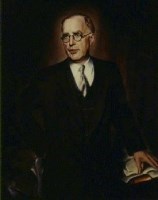
Controversial mayor of Seattle who was recalled from office and later won it back in an electoral landslide. Born in Watertown, Wisconsin, Hiram Charles Gill moved to Seattle in 1889, and began waiting tables at a Seattle waterfront restaurant. Eleven years later, Gill was elected to the Seattle City Council, where he eventually served three years as president. By 1910, Seattle had risen to prosperity in large part due to the Klondike Gold Rush and the emerging Pacific trade market. With so much business coming from miners and sea mariners, there was quite a demand for brothels, bars, and gambling dens. Gill ran for mayor as an advocate of these businesses, but he promised to keep them confined to a specific area south of Yesler Way. Gill won the election, but some accused him of importing hundreds of jobless men to vote for him. Indeed, that particular election had the largest voter turnout up to that time. After taking office in March 1910, Mayor gill reappointed former Chief of Police Charles Wappenstein, a man the previous mayor had dismissed for corruption. Not only did Wappenstein fail to enforce Gill's promise to keep the "vice" businesses south of Yesler, he demanded $10 per month for each of the approximately 500 prostitutes of Seattle and was eventually convicted for his corrupt ways. Gill also appointed former Seattle Electric Light official Richard Arms as superintendent of Seattle City Light. After making several questionable decisions, Arms was later removed for misfeasance. When a 500-room brothel was built on Beacon Hill with a 15-year lease from the city, Gills' opponents forced a recall election. At the time Gill was elected mayor, women weren't allowed to vote, but three months before the recall they had been granted that right. Of the 23,000 newly-registered women voters in Seattle, 20,000 turned out for the recall election and on February 9, 1911, Gill was voted out of office. He got the message and in 1914, Gill ran for mayor again, but this time he promised to crack down on vice businesses. His claim that he had more knowledge about vice operations than any uninformed reformer must have worked; he was elected by the largest margin ever for that office. For a time Gill kept his promise, almost to his own detriment. Two of the raids led by Gill caused $20,000 in damages and were so destructive, even prohibitionists were offended. But it wasn't long before he and his new police chief were accused of accepting protection money from bootleggers. By 1917, Seattle had become such a wild town the U.S. Army declared it off-limits to Camp Lewis soldiers, which did not sit well with the Seattle business men who relied on those dollars. There was talk of another recall, but it was dropped. Although Gill had the audacity to run for re-election in 1918, he did not win.
Montrez votre soutien
Envoyez Vos
Condoléances
Partager
L'avis De Décès
Obtenir les mises à jour
Prestations de Service
Partager l'avis de décèsPARTAGER
- RECEVOIR DES RAPPELS
v.1.18.0