
AVIS DE DÉCÈS
Chase Patterson Hearn
12 août 1939 – 17 juillet 2023
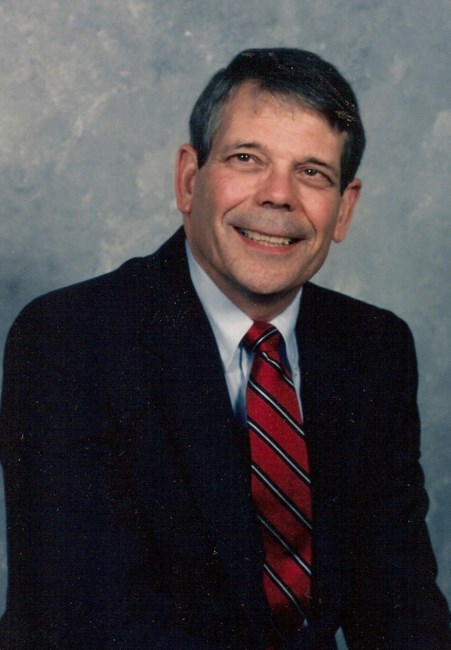
A native of Raleigh, NC, Chase’s parents were Henry H. and Ruby Blake Graves Hearn.
Chase earned a BS in electrical engineering at North Carolina State University and an MS in electrical engineering at the University of Virginia. He joined NASA in 1961 as a research engineer/aerospace technologist, working at NASA Langley Research Center until retirement in 1995. His first assignment at NASA was testing retrorockets for the Mercury capsule, an exciting introduction to a wide array of research endeavors over 34 years.
Chase is survived by his wife of 30 years, Patricia Hurdle Hearn, and his son Christian W. Hearn (Kimberly) and two grandchildren.
Services will be private and will be held at a later date.
TRIBUTE FROM FAMILY
Chase Patterson Hearn, born in Raleigh NC, was the only child of Ruby Graves and Henry Hearn. Henry's parents moved to Raleigh from Delaware to accept two professional positions. Henry was the family's first latchkey child; a comfortable albeit lonely role in post WWI America.
Chase would often recount a pleasant childhood- an extended family in a Knightdale farmhouse and holidays at Carolina Beach. His nostalgic memories were distinguished from his teen year recollections of apartment life and part-time employment repairing televisions. One could sense a troubling void between the two worlds.
As a youth, Chase was introduced to amateur radio. He was fascinated by the glow and crackle of home-built vacuum tube radios, and by modern standards the radio spectrum was an open frontier. He embraced Radio Science, a discipline that suited his independent temperament. He once described being shocked by a one kilowatt transmitter built in his apartment bedroom. Radio Science nearly killed him, but it focused his intellect and stirred his ambition to pursue a college education.
He graduated from high school the year Sputnik woke the country from a spell of complacency. Chase lived at home, worked part-time and paid his NC State tuition every semester. Upon completion of his Electrical Engineering degree (with distinction), he accepted a position at NASA Langley supporting the Mercury program. He won the attention of his supervisor and was awarded a fellowship to complete a masters degree at UVA. He was soon married and became a father at 26 years of age.
The Apollo moonshot was a national success, but his first marriage was not. Alone again, he retreated to the world of Radio Science. He built a house with an impressive laboratory and extensive storage facilities. He declined a NASA offer to complete a PhD.
Ultimately hope prevailed, and Chase married Patricia Hurdle as he approached 30 years of NASA service. He was granted Distinguished Researcher status and continued to work on projects for several years after retirement.
Chase was a gifted storyteller, avid historian, and enthusiast of Russian composers. He earned the sincere respect of his colleagues, the loyalty of friends who appreciated his individuality, and the love of his family. As a young man, he overcame setbacks, persevered, and succeeded. His family is proud of his participation in, and contributions to, the nation's space program.
Christian W. Hearn
Montrez votre soutien
Envoyez Vos
Condoléances
Partager
L'avis De Décès
Obtenir les mises à jour
Prestations de Service
Partager l'avis de décèsPARTAGER
- RECEVOIR DES RAPPELS
v.1.18.0