OBITUARY
Mr Yeizo Masunaga
May 18, 1927 – January 7, 2024
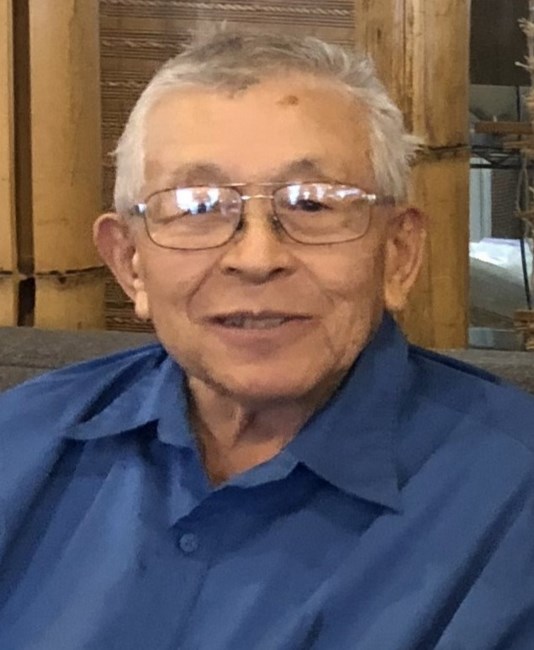
Yeizo Masunaga, 96, died a natural death on January 7, 2024, at his adult family home in Auburn, WA. He was born the youngest of three siblings on May 18, 1927, to Shigeo and Taki Masunaga in Medina Washington. He is predeceased by his wife, Kazuko Marie Masunaga (passed in 2016) and his sisters, Mary Nagano (passed in 2021), and Fumiye Masunaga (passed in 2022). He is survived by his daughter, Alisa Masunaga (60) of Auburn, WA, son-in-law, Jay Gordon, his son, Vernon Masunaga (56) of Renton, WA, and daughter-in-law, Maria Masunaga and his four grandchildren, Rika Wong (31) of Bellingham, WA, Miyuki Wong (28) of Bellingham, WA, Sarah Masunaga (26) of Renton, WA, and Kyle Masunaga (25) of Renton, WA.
Yeizo grew up on a farm in Medina near Phantom Lake until April 1942. Due to Executive Order 9066, Yeizo, his parents, and siblings were taken from their home and relocated to the Puyallup Assembly Center (now known as the Western Washington Fairgrounds) for holding until they could be moved to more permanent relocation center (internment camp). He was then moved to Minidoka near Hunt, Idaho with his family. After some time, he was moved to Tule Lake camp. This was a high-security camp for Japanese Americans who refused to register or answer loyalty questions during World War II. Tule Lake survivors and their family members were ostracized and stigmatized as being “disloyal” by the general public and within Japanese American communities long after World War II. After being released from camp, Yeizo’s family found that they no longer had a home and so he worked odd jobs such as migrant farming work, until a permanent job could be found. Their house called the “Thode House” was unique. It was built with no nails. In 1989, the Eastside Heritage Center deemed it a historical landmark and moved the house to its’ present location, Larsen Lake Blueberry Farm. It services as a trailhead and link to the Bellevue’s Lake to Lake trail system.
He found a job with Boeing in Tools and Parts, but soon left and went to work at his parents’ restaurant called “Main Shokudo” in Japantown (northwest part of the International district) as a fry chef. He self-proclaimed himself as the master chef of tempura making.
In 1962, he married Kazuko Marie Sakata. She arrived from Japan at the request of her father to marry Yeizo. They were married May 26, 1962, and lived on the north end of Beacon Hill and then at Kawabe House through their senior years. Kazuko passed away on May 6, 2016.
Both Yeizo and Kazuko’s families were from Kumamoto prefecture in Japan. The families were active members of the Kumamoto Kenjinkai Club here in Seattle. They enjoyed parties and family picnics with several families from the same area.
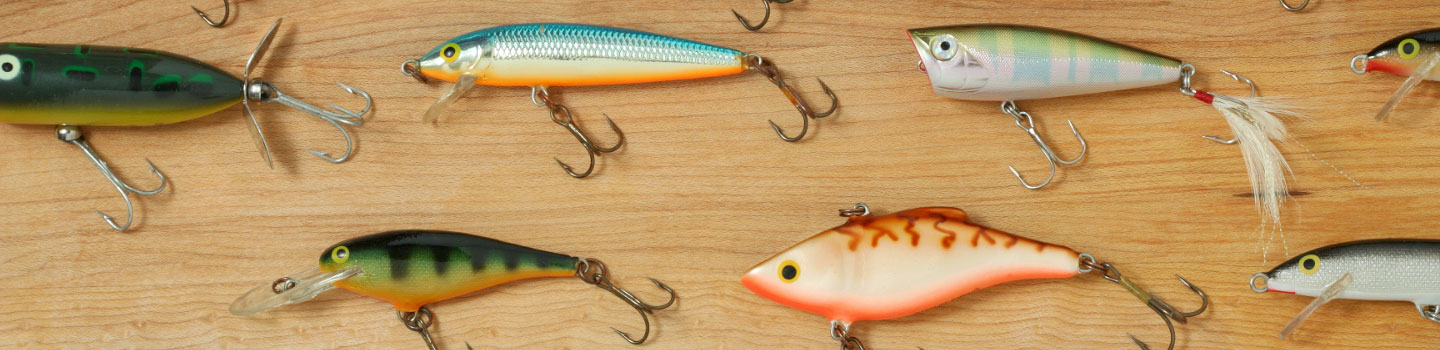
Growing up, Yeizo enjoyed the outdoors. He spent many hours fishing as a child and as an adult. He fished for salmon, steelhead, trout, shad, smelt and even squid and clamming. After getting married, he took Kazuko fishing with him every weekend and after the children were born, they would go as a family to the river to fish for steelhead. He became known as the “King of Tokul Creek” because he never came home without a fish.
When Yeizo’s parents decided to sell the restaurant, he decided to become a Japanese landscape gardener. This became his lifelong commitment until he retired in 1992.
In addition to fishing, Yeizo’s favorite pastime was watching high school sports, whether it was football, basketball, baseball, softball. He followed the local high school games and tried to attend as many games as possible. He also encouraged his son, Vernon, to take up judo lessons. He traveled everywhere with Vernon to compete in different events. In addition to that he loved boxing. His favorite boxers were Muhammad Ali, Sugar Ray Leonard, and George Foreman.
He had a love for Hawaiian and country western music. His favorite Hawaiian singer was Don Ho, and his favorite country singer was Charley Pride.
He also loved to go picking Japanese pine mushrooms (matsutake) up in the mountains. If he was not fishing on the weekends, he would have been picking matsutake. He would come home with boxes of mushrooms.
He enjoyed watching car races up at Skagit Speedway in Burlington, WA. He loved NASCAR races and Outlaws.
Yeizo could never sit still. After retiring, he spent more days fishing, picking mushrooms, going to see high school sporting events, and watching sprint car races. He would literally get “ants in his pants” if he wasn’t doing something. It was very rare to ever see him “sitting at home.” Since he couldn’t be out and about in the evenings, he would spend his time reading books and doing crossword puzzles. Most of the books were autobiographies about “hobos” and American history. His favorite crossword puzzles were from the New York Times. He loved the challenge.
He liked to go to his favorite hamburger restaurant with Kazuko. It was called “Wendy’s.” He said the wait staff knew their order, so they would just come in sit down and they would bring their order to them.
Although Yeizo is of Japanese descent (2nd generation, Nisei) his first time to Japan was at 62 years old when he helped his daughter, Alisa moved back from Japan to Seattle in 1990.
After his wife, Kazuko, passed away he would still go around town with his walker, walking or taking the bus down Rainier Ave to his favorite hamburger spot.
Yeizo loved to tell stories about his life. He was a skilled storyteller. He could transition from story to story without taking a breath. By the time he was done talking he may have combined 10 to 20 different topics without missing a beat. The family was always so impressed by that. Even in his later years, he could tell delightful stories about his growing up, camp life, his favorite pastimes, always with a little different twist. It was quite entertaining.
Yeizo’s passion and zest for life will be missed.
Show your support
Add a Memory
Share Obituary
Get Reminders
Services
SHARE OBITUARYSHARE
- GET REMINDERS
v.1.18.0