OBITUARY
Dr. N. Paul Rosman
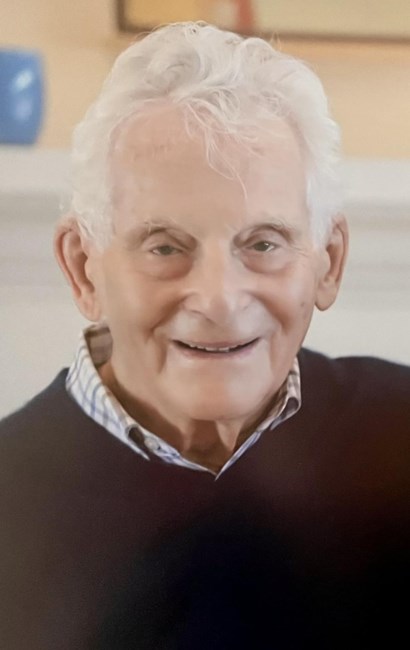
. Norman Paul Rosman, a pediatric neurologist whose exacting standards, clinical insight, and deep humanity helped shape modern child neurology and influenced generations of physicians around the world, died on March 18, 2026, in Boston, Massachusetts. He was 91 years old.
Dr. Rosman was widely regarded as a consummate “triple threat,” exemplifying excellence in clinical care, teaching, and research. Over a career spanning decades, he published more than 200 articles and book chapters, secured more than 30 research grants, and trained nearly 100 pediatric neurologists. But those who knew him best measured his impact differently: as a clinician, a mentor, and an advocate for children.
To say “I trained with Paul Rosman” became a form of shorthand in the field. It signaled not only rigorous preparation, but a defining professional experience. His trainees, many of whom went on to lead major divisions and training programs, carried forward a standard of care and inquiry that traced directly back to him.
Norman Paul Rosman was born in Ottawa, Canada, in 1934. He graduated magna cum laude from McGill University, where he earned both his undergraduate and medical degrees, before completing training in New York and returning to McGill for further residency work. In 1963, he moved to Boston, where he would spend the remainder of his career and help establish the city as a center for pediatric neurology.
His scientific contributions helped define core practices in the field. His work on febrile seizures (spanning experimental studies to landmark clinical trials) demonstrated the effectiveness of intermittent benzodiazepine therapy and established approaches that remain standard worldwide. His broader research advanced understanding of neurodevelopmental disorders and helped shape a more integrated model of care for children with complex neurological conditions.
Yet his greatest influence was at the bedside. He often reminded trainees never to eliminate hope, believing that every child could be helped in some way.
Dr. Rosman belonged to a generation of physicians who believed that diagnosis began not with tests, but with careful listening to the child and the family. Imaging and laboratory studies, he taught, served to confirm what a thoughtful clinical encounter had already revealed. In practice, this meant a deep, often imaginative engagement with his patients. He might discuss professional wrestling with one child or a favorite television show with another, using humor to put them at ease and uncover insights others missed.
In the examination room, colleagues recalled, his focus on the child was so complete that everything else seemed to fall away. Families traveled from across the country and beyond to seek his care. He was often the physician consulted when others could not find answers, and it was rare that he did not.
As a teacher, Dr. Rosman was known for his intensity. His expectations were high and his standards uncompromising, but they were delivered with consistency and purpose. “Paul never raised his voice or lowered his expectations,” one former trainee recalled. Through example, he instilled habits of precision, intellectual rigor, and accountability that endured long after formal training ended.
His influence extended beyond individuals to institutions. At Tufts–New England Medical Center, he co-founded the Center for Children with Special Needs, helping to establish a multidisciplinary model of care that has since become standard in treating children with complex neurodevelopmental disorders. He also contributed to the development of training programs that integrated neurology, psychiatry, and developmental medicine, shaping how future specialists would be educated.
Dr. Rosman was recognized throughout his career for his contributions to medicine and education. He received the Hower Award from the Child Neurology Society for outstanding contributions to the field, as well as numerous teaching honors at Boston University and Tufts. In 2023, he was awarded an honorary doctorate from McGill University, his alma mater, an honor he described as “one of the great days of his life.” He served in leadership roles across national and international neurological organizations and was consistently named among the country’s top physicians.
Despite the demands he placed on himself and others, he was equally known for his warmth, humor, and storytelling. He retained a personable demeanor even after long days and full weekends of work, and his ability to connect, whether with colleagues, trainees, or children, remained a defining feature of his character.
Above all, Paul was deeply devoted to his family. His beloved wife, Syrille, was both his strongest supporter and most candid critic, and their 65-year marriage was central to his life and his work. He took particular joy in his children, Michael, Adam (Elizabeth) and Elizabeth (David) and in his grandchildren, Emma (Ryan), Coby, Nadia, Emily, Julia, and Matthew, embracing his role as a grandfather with the same energy he brought to medicine. He is also survived by his brother Dr. Michael “Mickey” Rosman (Jan).
He was deeply committed to his faith and community, and was an active member of Temple Emanuel in Newton, MA., where he remained engaged throughout his life.
Dr. Rosman’s legacy endures not only in the research he produced or the programs he built, but in the generations of physicians he trained and the countless patients whose care was shaped by his example. He exemplified the traditional triad of clinician, teacher, and researcher, and added to it a fourth quality, less easily measured but no less enduring: humanity.
A funeral service was held at Temple Emanuel, 385 Ward St, Newton, MA on Monday, March 23, 2026 at 10:00 am with burial to follow at Sharon Memorial Park, Sharon.
In lieu of flowers, remembrances may be made to Temple Emanuel, https://www.templeemanuel.com/ or Child Neurology Society, https://www.childneurologysociety.org/
Show your support
Add a Memory
Share Obituary
Get Reminders
Services
SHARE OBITUARYSHARE
- GET REMINDERS
v.1.18.0