OBITUARY
Baltazar Castillo
June 6, 1933 – May 20, 2026
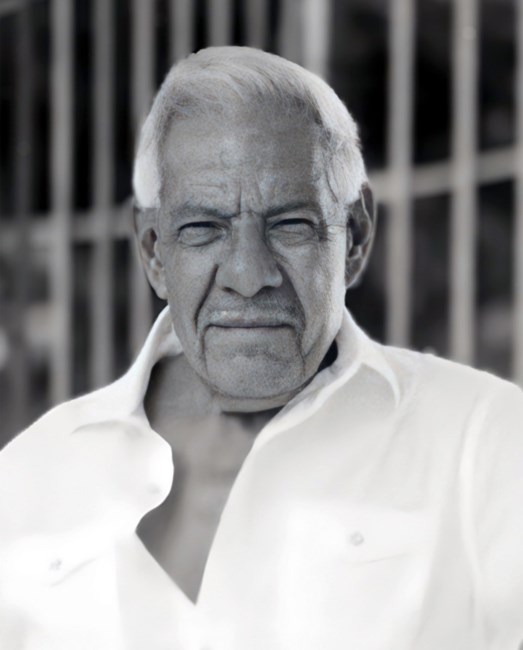
Baltazar was born on June 6, 1933, in Homestead, Pennsylvania to Jesus Castillo (age 35) and Lucina Quezada Castillo (age 32). He was the second youngest of 7 children including Trinidad, Socorro, Margarita, Dora, Herlinda and his youngest sibling Ismael.
After facing economic hardship in the U.S., Baltazar’s parents moved their family to Jerez, Zacatecas, Mexico when Baltazar was just 3 years old. Given the lasting hardships of the Great Depression, Baltazar’s family continued to struggle financially for the next several years in Jerez. From a young age, Baltazar worked to help support his family. With tears in his eyes, Baltazar would later recall how poor his family was during this time and how hungry he would be on some days — so hungry that he could not learn or focus on school. However, he was proud that he was able to learn how to read and write. As a young man, his older brother Trinidad disappeared from the family, likely driven away by the weight of their poverty. This was a loss Baltazar carried quietly for the rest of his life, despite years of searching for him.
When Baltazar was a teenager, his parents moved once again, this time to the border town of Juarez, Chihuahua, Mexico. From there, Baltazar would easily cross the border to El Paso, Texas to find work. One of his first jobs there was at the University of Texas at El Paso as an assistant to the campus gardener. Baltazar recalled this being difficult physical labor that required him to move heavy hoses and large gardening equipment back and forth across the campus. He proudly remembered being recognized by his supervisor for being reliable and hard-working that allowed him to complete his tasks without constant supervision.
At 22 years old, Baltazar met and married Cecilia Estrada in Juarez, Chihuahua. They quickly started their family which eventually grew to include seven children: Cecilia, Baltazar Jr., Jesus, Lucina, Maria Rosaura, Veronica, and David. Baltazar was proud of his large family and worked hard to support them, a work ethic that never faltered.
While still living in Juarez, Baltazar found work at Farah, Incorporated, one of the largest apparel manufacturing companies in El Paso. Even in the final weeks of his life, Baltazar would tell stories about his time at Farah, recalling how he was recognized by his supervisors for his dedication, reliability, and good work ethic. Baltazar worked in facilities maintenance with the company for over 10 years. Eventually, with help from a friend during lunch breaks, he learned how to lay the fabric properly in preparation for the garment cutters. This skill would prepare him for a later role.
In 1964, Baltazar moved to Los Angeles for better job opportunities. With his wife and their seven young children, they traveled to Los Angeles by bus with just a few belongings and without a secure place to stay. Fortunately, their bus driver introduced them to a friend, an apartment manager, who helped them rent a one-bedroom apartment in Boyle Heights in East Los Angeles. However, adjusting to a new city proved difficult and the job opportunities that Baltazar had heard about did not materialize. Baltazar and his family returned to Juarez after just one year.
Due to the persistent lack of opportunities in El Paso, they decided to try their luck again in Los Angeles — four years after their first attempt. This time, Baltazar and Cecilia traveled alone with plans to find work, save money, and secure a suitable home before sending for their children who had remained in the care of Baltazar’s mother back in Juarez. Shortly after arriving in Los Angeles, Baltazar and Cecilia started missing their children dearly — so much so that they decided to pick them up, then immediately returned to California with them. They settled into a small home on Wall Street in South Central Los Angeles.
Once in Los Angeles, Baltazar took on different jobs until he eventually landed work as a garment cutter at a clothing manufacturing company. This position was unionized, meaning he was able to receive higher pay, periodic raises, and a retirement fund. With this better paying role, Baltazar was soon able to purchase a home for his family - a newly built 4-bedroom, 2-bathroom home on a spacious lot located on 22nd Street and Central Avenue. With the support of his dedicated wife, they maintained an immaculately clean and organized home where they raised their family, watched them marry, and eventually cared for their grandchildren as well.
Baltazar was a family man that mainly kept to himself. In his free time, he loved to care for his cars, especially his 1974 Chevy Monte Carlo (that he repeatedly restored over the years) and his 2002 Ford truck which he continued to drive into his 80s. When his children were still young, he purchased an oversized station wagon that could fit all 9 of them! His children recall taking yearly road trips in this station wagon, driving for several hours to visit their grandmother in Juarez. Baltazar also enjoyed caring for his dogs. He especially loved larger dogs, like German Shepherds, to help protect his home. Because he liked the names, he would repeatedly name his dogs Brandy, Lobo, and Elsa over the years.
He was also devoted to honoring his parents in death as he had in life, faithfully bringing flowers to their graves — his mother’s in West Los Angeles, his father's in Juarez. He continued this journey for many years, until he was no longer able to go on his own.
Baltazar could be considered a picky eater and rarely strayed from his favorite foods. He always said that his wife was the best cook, especially enjoying her tamales and buñuelos that she made during Christmastime and New Year. Baltazar’s other favorites were cheese enchiladas, tacos dorados, and apple pies. Oftentimes, you would see him enjoying a large glass of milk with an esponja (concha), his favorite sweet bread.
After retiring, Baltazar and Cecilia sold their home on 22nd Street and moved to Tijuana, Baja California, Mexico where they lived for the next ten years. When his wife became ill and needed closer medical attention, his children moved them closer again and settled them into a comfortable home in Fontana, California.
Baltazar had difficulty settling into their home there and moved out to live on his own for several years. Though undiagnosed at the time, Baltazar had likely been living with dementia for many years, and by the time they moved to Fontana, it had already deepened — making those years more difficult for him and for the family to fully understand. He would eventually return to live with his wife when she became gravely ill. By then his own condition had advanced significantly. A year after his wife passed in 2024, Baltazar was moved into a memory care center where he would be given round-the-clock care and attention. He would spend his final days there, cared for with patience and tenderness.
Though dementia gradually changed many aspects of his life, it never diminished the love he had for his family. Even after living through poverty and many difficulties from a young age, Baltazar remained a man of faith and thanked God daily for all his blessings, especially his wife and their seven children. Baltazar did not create a life of luxury, but he was able to provide a comfortable home and made sure they never lacked food and basic needs. Sensing that he was in his final days, Baltazar found peace in the reassurance that his children were all living, had careers, homes, and families of their own.
Baltazar leaves behind 7 children, 19 grandchildren, and 21 great-grandchildren. His passing came amid both grief and joy — two great-grandchildren preceded him in death just days before he died, and one great-grandson was born on that same day.
Rest in peace, beloved husband, father, grandfather, and great-grandfather.
Baltazar Castillo falleció en paz el 20 de mayo de 2026 en Hemet, California, a la edad de 92 años.
Baltazar nació el 6 de junio de 1933 en Homestead, Pensilvania, hijo de Jesús Castillo (35 años) y Lucina Quezada Castillo (32 años). Fue el segundo más joven de siete hijos: Trinidad, Socorro, Margarita, Dora, Herlinda y su hermano menor, Ismael.
Después de enfrentar dificultades económicas en Estados Unidos, los padres de Baltazar trasladaron a su familia a Jerez, Zacatecas, México, cuando él tenía apenas 3 años. Debido a las secuelas de la Gran Depresión, que también se sentían en Mexico, la familia de Baltazar continuó luchando económicamente durante varios años en Jerez. Desde muy pequeño, Baltazar trabajó para ayudar a mantener a su familia. Con lágrimas en los ojos, años después recordaba lo pobre que era su familia durante ese tiempo y el hambre que pasaba algunos días, tanta que no podía concentrarse en la escuela. Aun así, estaba muy orgullo de a ver podido aprender a leer y a escribir. Siendo un joven, su hermano mayor Trinidad desapareció de la familia, probablemente impulsado por el peso de la pobreza en que vivían. Fue una pérdida que Baltazar llevó en silencio durante el resto de su vida, a pesar de los años que dedicó a buscarlo.
Cuando Baltazar era adolescente, sus padres se mudaron nuevamente, esta vez a la ciudad fronteriza de Juárez, Chihuahua, México. Desde allí, cruzaba fácilmente la frontera hacia El Paso, Texas, para trabajar. Uno de sus primeros empleos fue en la Universidad de Texas en El Paso como asistente del jardinero del campus. Baltazar recordaba que era un trabajo físicamente exigente, que requería mover mangueras pesadas y grande equipo de jardinería de un lado a otro del campus. Recordaba con orgullo haber sido reconocido por su supervisor por ser confiable y trabajador, lo que le permitía completar sus tareas sin supervisión constante.
A los 22 años, Baltazar conoció y se casó con Cecilia Estrada en Juárez, Chihuahua. Rápidamente comenzaron su familia, que eventualmente creció hasta incluir siete hijos: Cecilia, Baltazar Jr., Jesús, Lucina, María Rosaura, Verónica y David. Baltazar se sentía orgulloso de su gran familia y trabajó arduamente para mantenerla, una ética de trabajo que nunca abandonó.
Mientras aún vivía en Juárez, Baltazar consiguió empleo en la compañía Farah, una de las compañías manufactureras de ropa más grandes de El Paso. Baltazar contaba historias sobre su tiempo en Farah, recordando cómo fue reconocido por sus supervisores por su dedicación, confiabilidad y sólida ética de trabajo. Trabajó en mantenimiento de la empresa durante más de diez años. Con el tiempo, y gracias a la ayuda de un amigo durante los descansos para almorzar, aprendió a extender correctamente la tela en preparación para los cortadores de las prendas de vestir. Esta habilidad lo prepararía para un puesto posterior.
En 1964, Baltazar se trasladó a Los Ángeles en busca de mejores oportunidades laborales. Junto con su esposa y sus siete hijos pequeños, viajaron en autobús a Los Ángeles con pocas pertenencias y sin un lugar seguro donde quedarse. Afortunadamente, el conductor del autobús los presentó a un amigo suyo, administrador de apartamentos, quien los ayudó a rentar un departamento de una habitación en Boyle Hights, en el Este de Los Ángeles. Sin embargo, adaptarse a una nueva ciudad resultó difícil y las oportunidades de trabajo que Baltazar había escuchado no se materializaron. Después de solo un año, Baltazar y su familia regresaron a Juárez.
Debido a la persistente falta de oportunidades en El Paso, decidieron intentar nuevamente su suerte en Los Ángeles, cuatro años después de su primer intento. Esta vez, Baltazar y Cecilia viajaron solos con la intención de encontrar trabajo, ahorrar dinero y asegurar una vivienda adecuada antes de traer a sus hijos, quienes habían permanecido al cuidado de la madre de Baltazar en Juárez. Poco después de llegar a Los Ángeles, Baltazar y Cecilia comenzaron a extrañar profundamente a sus hijos, tanto que decidieron ir por ellos y regresar de inmediato a California. Se establecieron en una pequeña casa en Wall Street, en South Central Los Ángeles.
Una vez en Los Ángeles, Baltazar desempeñó distintos trabajos hasta que finalmente consiguió empleo como cortador de prendas en una empresa manufacturera de ropa. Este puesto estaba sindicalizado, lo que le permitió recibir un salario más alto, aumentos periódicos y un fondo de jubilación. Gracias a este mejor ingreso, Baltazar pudo comprar una casa para su familia: una vivienda recién construida de cuatro habitaciones y dos baños, ubicada en un amplio terreno en la intersección de la Calle 22 y Central Avenue. Con el apoyo de su dedicada esposa, mantuvieron un hogar impecablemente limpio y organizado, donde criaron a su familia, vieron a sus hijos casarse y eventualmente cuidaron también a sus nietos.
Baltazar era un hombre de familia que en gran medida mantenía una vida reservada. En su tiempo libre, le encantaba cuidar sus automóviles, especialmente su Chevy Monte Carlo 1974 (que restauró repetidamente a lo largo de los años) y su camioneta Ford 2002, que siguió conduciendo hasta pasados los 80 años. Cuando sus hijos aún eran pequeños, compró una enorme camioneta familiar con capacidad para los nueve miembros de la familia. Sus hijos recuerdan los viajes anuales por carretera en esa camioneta, conduciendo durante horas para visitar a su abuela en Juárez. Baltazar también disfrutaba cuidar de sus perros. Le gustaban especialmente los perros grandes, como los pastores alemanes, para ayudar a proteger su hogar. Como le gustaban estos nombres, llamó repetidamente a sus perros Brandy, Lobo y Elsa a lo largo de los años.
También fue devoto en honrar a sus padres después de su fallecimiento, tal como lo había hecho en vida, llevando fielmente flores a sus tumbas: la de su madre en West Los Ángeles y la de su padre en Juárez. Continuó realizando estos viajes durante muchos años, hasta que ya no pudo hacerlo por sí mismo.
Baltazar podía considerarse una persona exigente para comer y rara vez se apartaba de sus platillos favoritos. Siempre decía que su esposa era la mejor cocinera, disfrutando especialmente de los tamales y buñuelos que preparaba durante la Navidad y el Año Nuevo. Entre sus otros favoritos estaban las enchiladas de queso, los tacos dorados y los pasteles de manzana. Con frecuencia se le vía disfrutando de un gran vaso de leche con una esponja (concha), su pan dulce favorito.
Después de jubilarse, Baltazar y Cecilia vendieron su casa de la Calle 22 y se mudaron a Tijuana, Baja California, México, donde vivieron durante los siguientes diez años. Cuando su esposa enfermó y necesitó atención médica más cercana, sus hijos los trasladaron nuevamente y los establecieron en una cómoda casa en Fontana, California.
Para Baltazar fue difícil adaptarse a su nuevo hogar y se mudó para vivir por sí solo durante varios años. Aunque todavía no había sido diagnosticado, es probable que Baltazar ya había estado viviendo con demencia muchos años antes de que se mudaran a Fontana. Cuando llegaron a Fontana la enfermedad ya se había profundizado, haciendo que esos años fueran decil para él y para la familia la cual no comprendían como esta enfermedad lo afectaba. Eventualmente el regresó a vivir con su esposa cuando ella enfermó gravemente, aunque para entonces su propia condición había avanzado significativamente. Un año después del fallecimiento de su esposa en 2024, Baltazar fue trasladado a un centro especializado en el cuidado de la memoria, donde recibió atención y cuidados las 24 horas del día. Allí pasó sus últimos días, rodeado de paciencia y ternura.
Aunque la demencia cambió gradualmente muchos aspectos de su vida, nunca disminuyó el amor que sentía por su familia. Baltazar siguió siendo un hombre de fe y agradecía a Dios diariamente por todas sus bendiciones, especialmente por su esposa y sus siete hijos. Baltazar no construyó una vida de lujos, pero logró proporcionar un hogar cómodo y se aseguró de que nunca les faltaran alimentos ni las necesidades básicas. Al percibir que se acercaban sus últimos días, Baltazar encontró paz en la certeza de que todos sus hijos estaban vivos y contaban con carreras, hogares y familias propias.
Baltazar deja a siete hijos, diecinueve nietos y veintiún bisnietos. Su fallecimiento ocurrió en medio de mucho dolor y de mucha felicidad. Dos bisnietos fallecieron unos días antes de que él falleciera, y un bisnieto nació exactamente el mismo día en que el falleció.
Descansa en paz, amado esposo, padre, abuelo y bisabuelo.
Show your support
Add a Memory
Share Obituary
Get Reminders
Services
SHARE OBITUARYSHARE
- GET REMINDERS
v.1.18.0