
OBITUARY
Robert J. Manning
December 25, 1919 – September 28, 2012
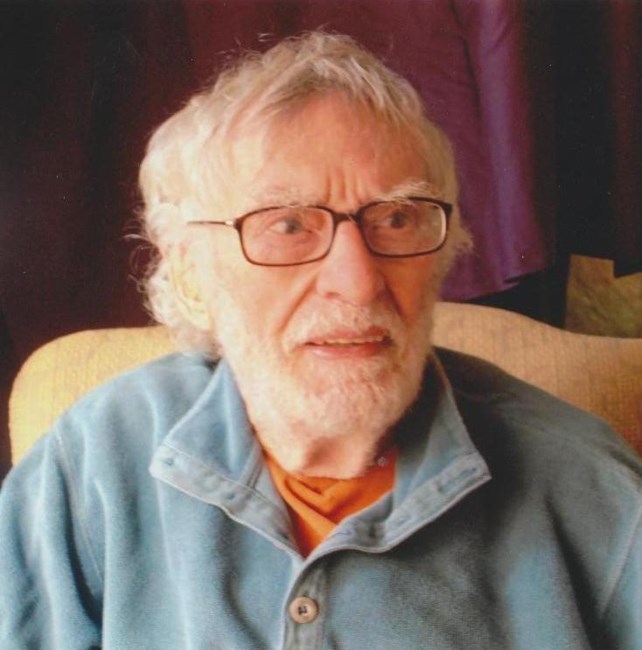
Robert J. Manning was a longtime journalist, most recently as editor-in-chief of The Atlantic Monthly and the Atlantic Monthly Press (1966-80). He was also an assistant secretary of state under Presidents John F. Kennedy and Lyndon Johnson.
He was born in Binghamton, N.Y. on December 25, 1919, son of Joseph J. Manning, a shoeworker who became a restaurateur, and Agnes (Brown) Manning. He began his career in journalism while still a student in Binghamton Central High School as a copy boy on The Binghamton Press. He worked briefly for The Associated Press in Buffalo, NY until joining the US Army in 1942. After his early honorable discharge from the Army (poor vision) he joined the United Press (later the UPI) in its Washington, D.C. bureau, becoming back-up correspondent at the White House and the Department of State, which was then located next to the White House in what is now the Executive Office Building, shuttling back and forth between the two sites depending on the flow of news. He was the only correspondent in the White House newsroom on April 12, 1945 when the White House press secretary Steve Early summoned newsmen to tell them of the death of President Franklin Roosevelt at Warm Springs, GA.
At the UP he met a fellow UP staffer Margaret Raymond. They were married in December 1944. He won a Nieman Fellowship for journalists at Harvard University in 1945, returning to the UP to become bureau chief at the newly formed United Nations in Lake Success N.Y. He became a writer at Time Magazine in 1949 and subsequently a senior editor and London bureau chief for Time, Life and Fortune magazines (1958-60).
He resigned from Time Inc. at the end of 1960 and was working as a freelance writer in Washington when he was offered the editorship of the Sunday New York Herald Tribune. “It proved to be a deck chair on the Titanic,” he said later. “I was saved from drowning when President Kennedy made me Assistant Secretary of State for Public Affairs.” After President Kennedy was assassinated Manning served for six months under President Johnson, then moved to Boston to become executive editor of The Atlantic Monthly under Edward Weeks. In 1966 he succeeded Weeks as editor-in-chief.
Manning’s career at The Atlantic ended in 1980 after he persuaded the Boston real estate investor Mortimer Zuckerman to invest in the company and nurture its development. Zuckerman bought the company outright, and after paying an initial installment of the purchase price reneged on further payments, alleging that he had been misled about its financial condition. Manning went to court in Massachusetts and other stockholders in Federal Court, forcing Zuckerman to pay the balance. He later sold the magazine to a District of Columbia publisher who moved the company to Washington in 2005.
After a stint at the Institute of Politics at the Kennedy School at Harvard, Manning joined The Boston Publishing Company as editor-in-chief of a 25 volume illustrated history entitled The Vietnam Experience, which was distributed by Time-Life Books.
Margaret Manning, book editor of The Boston Globe, died in 1984. Subsequently Manning married Theresa Slomkowski, an executive at Boston Publishing, who survives him, as do two sons, Brian and Robert. An elder son Richard died in 2004.
Show your support
Add a Memory
Share Obituary
Get Reminders
Services
SHARE OBITUARYSHARE
- GET REMINDERS
v.1.17.0