OBITUARY
Rosemary J. Starr
July 6, 1936 – June 14, 2026
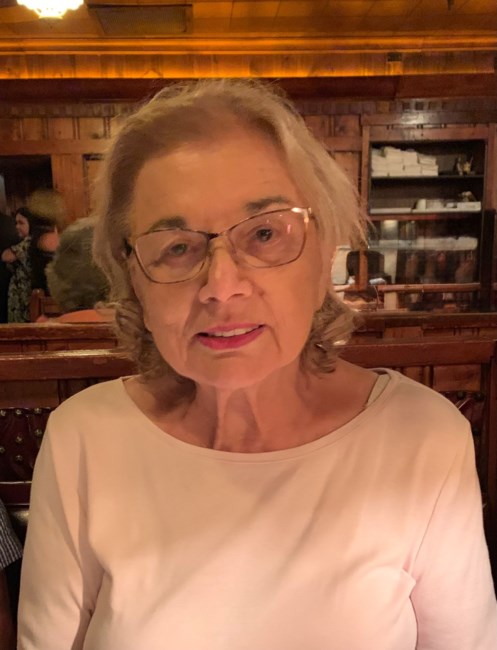
She was born the youngest of thirteen children to Giuseppe and Mary Russo Giammona, both immigrants from Sicily. Giuseppe dug ditches for the power company, while Mary kept house and raised the children. Mary loved Valentine’s Day so much that she told her husband her birthday was February 14—it wasn’t, but she had found a way to ensure it would always be celebrated. Giuseppe made wine at home and spoke his political beliefs openly, despite the risks of doing so as an Italian man in America during World War II.
But perhaps most importantly, despite the demands of raising a large family with so little, Giuseppe and Mary gave their time to their church and to those in need in their community.
Rosemary grew up surrounded by this love, tenacity, humor, individualism, and generosity. These qualities became the foundation of her life.
She dreamed of being a nurse, and so that is what she became. When she was 21 years old, she earned her license as a Registered Nurse in 1957. For the next fifteen years, she cared for others as an emergency room nurse, first in Chicago and then in Detroit. Nursing was far more than a profession to Rosemary; it was her calling.
While building her career, she was also creating a family. She married Martin Starr in 195X, whom she had met in high school, and supported him as he attended law school and began his legal career. Together, they welcomed four children in less than eight years: Martin, Paul, John, and Marie.
At the age of 36, while her children were still young, Rosemary was diagnosed with lupus. The illness not only forced her to leave the nursing profession she loved, but worse still, doctors warned that she might not survive—that she would have to fight for her life. So that is what she did. As she later said, she “was not going to let some other woman raise my children.” And so it was Rosemary who was able to bring her children into adulthood, and she continued to care for them until her last days.
As she regained her strength from her battle with lupus, she began to look toward the future. She took long, solitary walks, and then retreated to her bedroom. She did not share the thoughts she was working through, but her children could hear one Billy Joel song playing on repeat. “I don’t care what you say anymore, this is my life. Go ahead with your own life, leave me alone.”
But, as it turned out, Rosemary did not want to be left alone. Although she could no longer work as a nurse, she could put her nursing skills and boundless compassion to work as a volunteer. And so that is what she did. She provided well-baby and new-mother classes through Womanline, and raised funds and community support through Christ Child. Nothing—not even illness—could keep her from caring for others and making their lives better.
In 1992, Rosemary’s husband, Martin, died after a battle with cancer. She was once again faced with rebuilding her life—this time in midlife. She remained committed to her volunteer work and to nurturing her children. She talked to Marie daily, sometimes more than once, and to John multiple times a week. In time, she became a grandmother, first to Adriana, then to Paul, and years later to Zach. She spent as much time as she could with Adriana and Paul, caring for them in all the ways she knew how. With Zach, who lived hundreds of miles away, she stayed close through visits and phone calls.
In 1999, she met Gerald Prinzing, and she quickly became the love and light of his life. Together, they had fun. They went dancing, attended concerts and plays, and took dozens of Osher classes at the University of Dayton, studying history, politics, and music side-by-side. They volunteered for political campaigns and debated current events. She cooked for him –pasta with a tomato sauce that simmered for three days, breaded steak, and fruit pies – while Jerry happily served as sous chef and dishwasher.
They traveled to Florida, Cape Cod, California, and Georgia, and even traced Rosemary’s family roots back to Sicily on a trip to Italy. They were devoted fans of the University of Dayton Flyers, attending countless basketball and volleyball games. Rosemary would sit in the stands cheering on her squad, smacking Jerry’s leg with her rolled-up program, which would be in tatters by the end of the game.
Rosemary rarely left her home without running into a friend, striking up a conversation with a stranger, or cooing over any baby she saw. She exemplified compassion, humor, and kindness. Conversations with her went beyond small talk, to matters both personal and profound. As she had all her life, she continued to care for others through her parenting, grandparenting, and volunteer work. Those fortunate enough to cross paths with her were struck by her intelligence, strong opinions, good cheer, and infectious laugh.
She had the joy of meeting her first great-grandson, Mickey, in her final weeks. When she passed away, she was surrounded by loved ones, with her son John holding one of her hands, and Jerry holding the other.
Show your support
Add a Memory
Share Obituary
Get Reminders
Services
SHARE OBITUARYSHARE
- GET REMINDERS
v.1.18.0