
OBITUARY
Alan Lawrence Schneider
June 5, 1946 – June 21, 2026
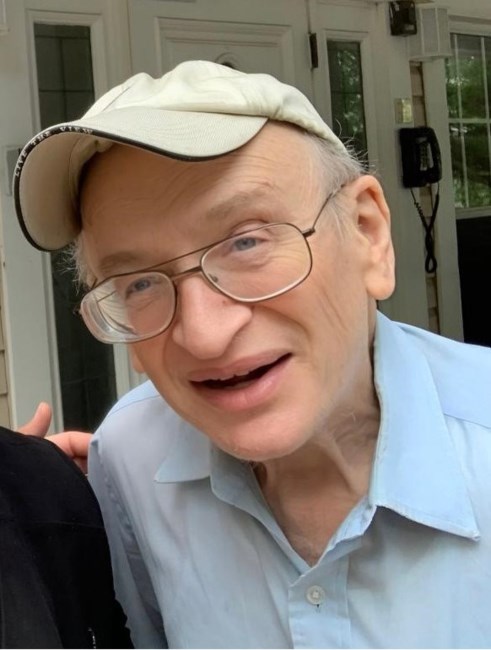
Alan was always the STEM person in the family. All throughout high school, Alan took chemistry classes along with all the science classes he could, and constantly earned very high grades. There was never any doubt that his college education would be at the highest level.
Indeed, Alan attended the Massachusetts Institute of Technology, MIT, in Cambridge, Mass, just up the street from Harvard University.
Alan began his civilian career with the U.S. Coast Guard in March of 1974. Over the years he worked in the Fire Protection Division for five years, then the Hazardous Materials Division. There he was responsible for classifying all new chemicals that are proposed for carriage by tank vessel. He also assisted with the development of regulations relating to maritime safety, security, and environmental protection.
Since 1989 he ensured the safe carriage of chemicals by completing over 1,100 cargo classifications, most of which were through an international tripartite process. His efforts were recognized worldwide; in 2002 the Brazilian Navy awarded him the Directoia e Portos e Costas Award for his contributions.
He authored approximately twenty technical papers, including critical papers on electrostatics on ships. Alan was entrusted with the Chemical Hazard Response Information System manual, or CHRIS. In 1992 he was recognized for his outstanding work in improving the CHRIS manual which is now recognized worldwide as the best compilation of chemical data for the maritime industry and emergency responders.
After serving the Coast Guard for 38 years, Alan retired in January 2010. At that time he received the Commandant’s Distinguished Career Service Award.
Alan’s lifelong hobby and personal interest was in trains, subways, trolleys and other forms of rapid transit. Alan collected books, publications and pamphlets, some 17,000 of them. He amassed a collection that is recognized in the field as the Alan Schneider Collection. He traveled to places where he could take photographs of trains and subways and amassed a collection of 80,000 35 mm slides. He was also interested in World War II, and collected an extensive library of those materials too. But Alan did not just collect all these books, he read them, and could generally tell you what any book in his collection was about.
Show your support
Add a Memory
Share Obituary
Get Reminders
Services
SHARE OBITUARYSHARE
- GET REMINDERS
v.1.18.0