
OBITUARY
Shepard C. Lowman
September 21, 1926 – March 2, 2013
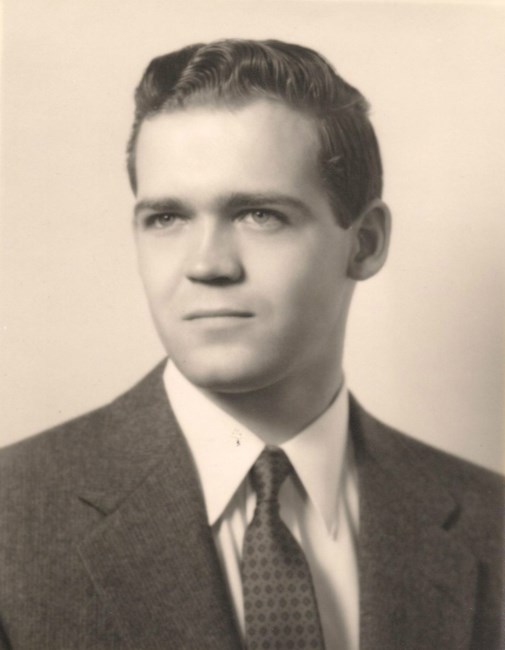
1926-2013
Born on September 21, 1926, Shepard Lowman had a long and fulfilling career as a diplomat, a humanitarian and especially as a great friend of Vietnam and the Vietnamese community.
After Law School at Harvard, Shep (as known to friends and family) went into the foreign service and, after a number of appointments in several countries, was sent to Vietnam in 1966. He fell almost instantly in love with the country and its people. At Tet 1968 he was in Chau Doc where he met his future wife, Hiep Lowman.
In 1974, Shep was back in Vietnam as a political officer at the American Embassy in Saigon and in that capacity he was put in charge of helping thousands of family members of American citizens and Vietnamese "at risk" personnel, leave Vietnam in the last frantic days of the evacuation from Saigon in April 1975. The vast majority of these evacuees eventually made their homes in the United States.
Originally, the U.S. intended to take in only 37,000 refugees from Vietnam, but President Geral Ford decided to raise the admission number to 137,000 and appointed Julia Vadala Taft to oversee the whole initial operation of transplantation of these parolees into the U.S. Fortunately, Mrs. Taft was ably seconded by the so-called "three Saigon cowboys" at State: Shep Lowman, Lionel Rosenblatt and Hank Cushing. They struggled with the bureaucracy to come up with the budget necessary to run several new arrivals camps(Pendleton in California,Ft. Chaffee in Arkansas, Indiantown Gap in Pennsylvania, Elgin AFB in Florida) and pay for transition grants to Volags(voluntaryagencies) involved in the resettlement of these refugees.
In March 1978 the Communist authorities in Vietnam decided to launch the so-called "hit the bourgeois capitalists campaign" and in one day closed and confiscated nearly35,000 enterprises big and small throughout South Vietnam. In one stroke the economic elite of the country decapitated. This engendered a massive flight of people known as "boat people" ( and later even "land people") which became a worldwide crisis necessitating the calling of an international conference in Geneva(June 1979) to divide up the burden of taking care of these poor people who were coming out of Vietnam by the hundreds of thousands.
In the next ten years, about a million and a half "boatpeople" were admitted and resettled in the U.S.,Canada, Western Europe and Australia, with possibly as many as 400,000 lost at sea. In the meantime, ways were found to ease the risks taken by desperate people and facilitate their coming to the U.S.:the orderly departure program(ODP), the so called "H.O." program admitting former political prisoners released from reduction camps, the Amerasian Homecoming Act to take in the children of American Vietnamese couples. In June 1989, a second Geneva Conference tried to put an end to the "boat people" crisis by allowing for forced repatriation of the Vietnamese refugees from camps in Southeast Asia and Hong Kong.
The resettlement of refugees , says Lacy Wright, "was not a glamorous job but it was in this work with refugees that Shep Lowman found his calling." By 1981, he had become the Deputy Assistant Secretary in the State Department Bureau of Refugee Programs, "where he worked not only on Indochinese resettlement in the U.S., but other major crises, such as the Cambodian exodus into Thailand that saw over 300,000 Khmer flee into Khao-i-Dang and other large refugee camps. . The Hmong from Laos were another major concern; those mountain people fled into northern Thailand in 1975 and needed and deserved our assistance. Through it all, Shep became the chief advocate in the United States for the acceptance of Vietnamese into third countries, mainly our own. He helped fashion the policies of a re-configured U.S. refugee program, and worked tirelessly within its framework to help the men and women who had been our allies in a brutal warto find refuge on our shores--well after "compassion fatigue" had caused former supporters to question his singlemindedness.
Show your support
Add a Memory
Share Obituary
Get Reminders
Services
SHARE OBITUARYSHARE
- GET REMINDERS
v.1.18.0