OBITUARY
Stephen T. Boggs
July 13, 1924 – October 5, 2022
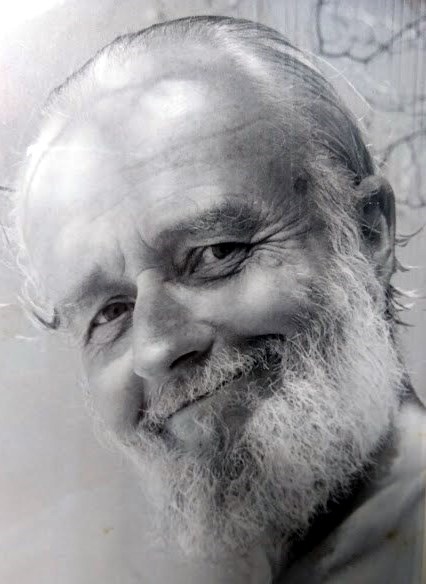
Steve was born in Chicago and grew up in Webster Groves near St. Louis, Missouri. From an early age, Steve paid attention to world events and cared deeply about community and social justice. At age 12 he was elected Governor of Missouri Boys State. At 16 he and his friends were publishing a Socialist Magazine. At 17 he applied for and entered Harvard on a scholarship. Steve was opposed to war, but after the attack on Pearl Harbor he entered the Army and served in Germany. Before shipping out he asked his future wife, JoAn Whitehorn, daughter of renowned psychiatrist John Clare Whitehorn, to wait for him. After the war he graduated from Harvard Summa Cum Laude. He married JoAn and they lived happily together for 74 years.
Steve worked briefly in a factory, helped settle a labor strike, and then did graduate work at Washington University, where JoAn was also getting her Bachelor's and then Master's degrees. The young anthropologist sweethearts then went to live, travel, fish, harvest wild rice and make maple syrup with the Ojibwa in Wisconsin and Manitoba. Steve submitted his PhD thesis on the Ojibwa and got a teaching job at Stanford University, where he introduced the first course on ethnic relations at the time Rosa Parks instigated the Civil Rights Movement. His first son, Christofer, and daughter Ellen were born there. Steve and JoAn took their kids camping often through much of their lives. The family moved to the DC suburbs when Steve got a new job at the National Institute of Mental Health. When second son Andrew was born, JoAn nearly died. Steve asked God to save her, and the family were all baptized and attended church. Steve was a moral, thoughtful, compassionate and supportive father and role model. He played and read stories with his children and led the family through many happy adventures.
Steve became Executive Secretary of the American Anthropological Association. He also organized opposition to the CIA’s covert funding of social scientists, and he joined the “March on Washington” where Dr Martin Luther King made his famous speech. In 1966, the family sold their all-white neighborhood home to a black family and moved to Manoa Valley in Hawaii. Alan Howard recruited Steve to assist in research on the Hawaiian Community in Nanakuli and Steve became a professor at the University of Hawaii, where he helped start the Ethnic Studies Program. The family joined the Nanaikapono Hawaiian Civic Club, and with them Steve learned hula. Steve also did research for Kamehameha Schools. He published some 30 articles and reviews. His books include “Speaking, Relating and Learning: A Study of Hawaiian Children at Home and at School” (1986) and “Globalization and Social Disorder” (2011). Steve was involved with the Hawaiian Sovereignty Movement. He testified about the US role in the Kingdom’s overthrow and played Sanford Dole in the Centennial re-enactment in 1993. He also testified about the cultural significance of "aloha aina" to justify it as a legal principle in land use. Steve was a lifelong champion of the oppressed and underprivileged.
If you wish to donate, in lieu of flowers, Steve’s favorite charity was Doctors Without Borders. No public service will be held, at his request. He is survived by his wife, children, grandchildren, their children, and their grandchildren. When politics, activism and resistance seemed futile Steve said, “Not contributing to strife or injustice is worthwhile in itself – and rare.” He wanted us “to go out and foster peace through love.”
Fond memories and expressions of sympathy may be shared at www.BorthwickOahu.com for the Boggs family.
Show your support
Send Flowers
Add a Memory
Share Obituary
Get Reminders
Services
- SEND FLOWERSSEND
FLOWERS SHARE OBITUARYSHARE
- GET REMINDERS
v.1.18.1