
OBITUARY
Harold Haruo Okumura
March 8, 1943 – January 14, 2026
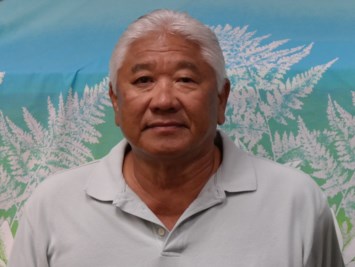
On March 8th, 1943, he was born to Wallace and Dorothy and grew up alongside his sisters, Jean and Mae, and his brothers, Alvin and Eric. In that close-knit family, he learned early that you contribute, you don’t complain and you take care of your own. Those early lessons shaped the man he would become.
As a young adult, he served in the United States Army as a mechanic. There, he worked on engines and heavy equipment, making sure what needed to run, ran well. The military strengthened his discipline and sharpened his natural instinct to solve problems. If something wasn’t working, he didn’t walk away, he stepped up and got to work. That mindset stayed with him for the rest of his life.
After completing his service, he established his career as an electrician. Over the years, he became the person everyone relied on when something flickered, stalled, or simply refused to cooperate. He had patience, focus, and a quiet confidence that said, “We’ll figure it out.” And he always did.
But Harold’s impact reached far beyond his profession.
As a teenager, while many of his classmates spent afternoons on athletic fields, he spent his summers working. At Kalani High School, he never joined a team — something he later admitted he wished he had done. The ability was there. The opportunity simply wasn’t.
Later, when friends invited him to join a casual baseball game, he stepped in and quickly showed he had more talent than he’d ever been given the chance to display. That experience sparked something that never left him.
When his children discovered their own interests in athletics and activities, he embraced them wholeheartedly. Baseball and soccer became a central focus, even though it hadn’t been part of his own childhood. Instead of standing back, he immersed himself in learning the game. He read, studied, and committed himself to understanding every detail so he could guide them well.
He never limited himself to calling out suggestions from the sideline. He volunteered countless hours, organized training sessions, and poured his energy into helping his players improve. Through that dedication, he discovered true purpose in mentoring them — shaping not just stronger athletes, but self-assured, resilient young people prepared for life far beyond the field.
His approach was consistent: preparation mattered, effort mattered, and improvement was always possible. He believed potential should never go untapped, especially if he could help develop it. Years later, former athletes still reached out to share life updates, a reflection of the lasting impression he made.
At home, that same steady presence defined him. He was dependable, attentive, and involved. As a partner, he was loyal and constant. As a father, he provided stability and example. As a grandfather, he offered guidance, encouragement, and honest feedback — always rooted in love.
Throughout his life, Harold demonstrated that success is not about recognition, it’s about commitment. Whether repairing machinery in the Army, troubleshooting electrical systems, mentoring young athletes, or supporting his family, he showed that steady effort builds lasting foundations.
He may not have had every opportunity in his early years, but he ensured that the next generation did. That is part of his enduring legacy.
From son and brother to soldier, tradesman, coach, husband, father, and grandfather — Harold’s journey reflects a life defined by service, strength, and unwavering care for those he loved.
And in the values he passed down — perseverance, accountability, and heart — his influence continues.
Show your support
Add a Memory
Share Obituary
Get Reminders
Services
SHARE OBITUARYSHARE
- GET REMINDERS
v.1.18.0