
OBITUARY
Michelle Popin LaPointe
June 14, 1950 – August 1, 2026
She grew up in the San Jo Motel at 524 W Main Street, a simple place among the 50 other motels booming on Main Street. The rooms proudly featured tile baths and carpeted floors. She helped prepare the rooms for the snowbirds headed south for the winter.
Joanne, her older sister, was 19 years old at her birth. Her brother, George, was 14. She was so much younger that she often stated she was basically raised as an only child. She grew up to become the mediator of the family.
As a young girl, she unknowingly ate her own pet ducks. She did not discover this until much later. Unapologetic duck-themed gifts were often sent by the guilty party.
Her brother once took her to see Frankenstein at the Drive-Thru. The event stifled her appreciation of the horror genre for the rest of her life.
Early on, her parents sold the motel and moved into a ranch house on Grand Street. Her mother, Cviyata, made paper thin strudel on the dining room table. Her father, Edward, pruned the citrus trees in the backyard. Certain stews were reserved for Jet, the family’s black poodle.
She suffered terrible attempts by her sister to pair her with questionable men. She’s lucky she survived at least one of those blind dates. In Joanne’s defense, they met him at the library.
Compelled by their mothers, she and her best friend competed in beauty pageants. At age 19, she finally broke free of that commitment.
She could not crawl. Attempts to address this issue were strongly resisted.
In High School she toured Europe, playing saxophone in her school’s orchestra. The experience opened her eyes to a world of travel and culture that she carried with her through life.
A wild boar urinated on her in the moonlit woods of Europe. She was not allowed to vocalize a reaction. She did her best to comply.
She rode miniature Scottish ponies in the highlands of Scotland. Her feet nearly dragged on the ground.
She forged deep connections with family in Serbia. Later, after the country had been violently divided, she returned with her family to reforge those connections.
She witnessed the dome of the Taj Mahal. She ate life-changing meals in Tuscany and Greece. She regularly returned to Mexico.
She loved to dance. She didn’t need music or a reason to cut a rug. She only needed a feeling. She danced in the rain. She danced in parking lots. She danced with palm trees. She danced in her home. She sometimes rolled up the carpet.
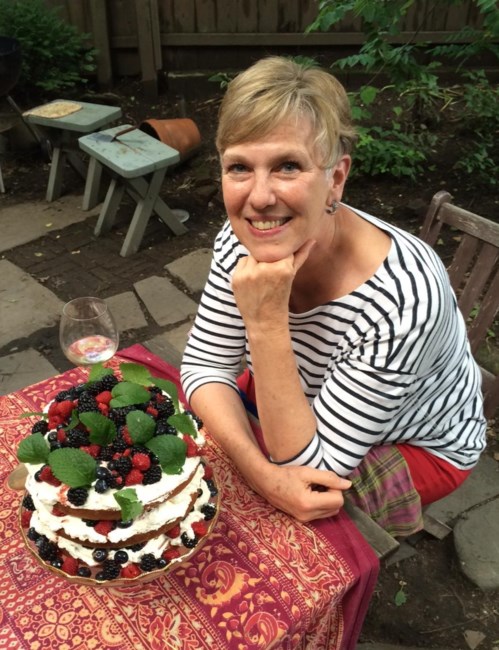
She communicated through food. She cooked to connect with strangers, her friends, her family, and her ancestors. She taught others to do the same.
She opened her home to orphans, artists, pilgrims, and outcasts. She treated her guests with respect and dignity. Many became her family. With their permission, she wove their stories into her own tapestry.
She may or may not have completed a Clown School certification program.
Early in her career she was offered a position that would have made her wealthier than she could ever have imagined. She turned it down and spent a lifetime raising money for the sick, the poor, the grieving, and the bohemian.
She viewed art as a fundamental need.
She was a seeker. She found truth in all the religions of the world, though she would not commit herself to any one. She found comfort and hope in the traditions of the indigenous. Near the end of her life, she committed to helping others find the same.
She broke many hearts. It was usually for the right reasons.
She loved to sail. She always said their was nothing better than the wind ripping though the sails and through your hair.
She experienced profound hardship and sadness. She did so with light and love in her heart. Her laugh was contagious. Her stories were wild, as she was. Every day was another opportunity to make or tell another one.
She was a mentor. She helped others cut their own paths.
She was critical, but open to criticism. She was stubborn, but listened and learned. Usually, she learned.
She was a humanist. Her acceptance of others was never predicated on agreement with their ethos.
She lived for her children and her grand-children. She fought fiercely to protect and encourage them. She did the same for many children who were not her own.
The deep pain that we feel is a monument to the incredible life she lived. The world is a better place for her having been here. Her spirit will live on in us and in those we meet on our own paths. It is the gift she gave us.
Memorial contributions may be made to the Michelle LaPointe Scholarship Fund at UMKC. Please follow the link below to make your donations.
https://securelb.imodules.com/s/1236/lg24/form.aspx?sid=1236&gid=1&pgid=2819&cid=5282&dids=290
Show your support
Send Flowers
Add a Memory
Share Obituary
Get Reminders
Services
- SEND FLOWERSSEND
FLOWERS SHARE OBITUARYSHARE
- GET REMINDERS
v.1.18.0