
OBITUARY
Margaret Dolisi Dale
February 22, 1943 – January 7, 2026
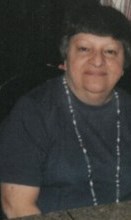
Known to her friends as Peggy, she grew up on Long Island, New York. She attended Hofstra University, where she could be found on any day “holding court” with her classmates in the student cafeteria.
After graduation, a genius with words, she was hired by Doubleday as an editor. During this time, she met John Dale, and they married. It was the Vietnam War, and his country needed him. John volunteered. He was shipped to Vietnam, where he served on active duty. During this time, he was exposed to Agent Orange. No one knew that exposure to Agent Orange was harmful, and the military never told Peggy and John. Nobody did.
Six years later, the doctors diagnosed John with non-Hodgkin’s lymphoma. By then, he was already in stage four, and the prognosis was bleak. The news terrified the two of them.
Nobody ever told them that John would die of non-Hodgkin’s lymphoma. He was nearly fifty when he passed away. They had just barely paid off their debts when the medical bills hit. At the time, they didn’t have good health insurance, so the thousands of dollars they had saved for their future were gone in an instant. What was Peggy supposed to do? John was all the family she had. They only had each other. John’s life was worth more than any amount of money. She spent it all... but he still died anyway.
After John died, Peggy felt there was nothing left for her. Life was empty, and it just wasn’t life without John.
She lived alone in the house they had bought together. Peggy was incredibly intelligent and creative. She refinished all the wooden furniture in the house and made several construction improvements all by herself.
Over time, Peggy began to notice that her legs were inexplicably swelling. Unbeknownst to her, this was the beginning of the lymphedema that ultimately wracked her body with infection after infection.
She began to notice that when she tried to stand, a loud click came from one knee, accompanied by excruciating pain. A visit to the doctor revealed degeneration of the head of her femur, leaving her unable to stand or walk. Robbed of this ability, she was bedridden, another step in the decline of her quality of life.
The rubbing of the femur against the hip caused her constant pain that could be relieved only by opioid skin patches. Yet she never complained.
Peggy was unable to care for herself. Meals, laundry, toileting, “bathing,” and being turned in bed every half hour were required. This 24-hour care threatened to exceed her meager income.
During one of her medical visits, a mammogram detected a lump in one of her breasts. A biopsy confirmed it was cancer. The lump was removed via cryoablation. Follow-up visits showed no further growth, and the matter was considered closed. However, cancer is insidious; some cells escaped and migrated to her spine.
All this time, as she endured this terrible loss of her quality of life, she never once expressed anger at what was happening to her. She took it all in stride. Never complaining, always philosophical, “I can’t do anything about this; it is what it is.”
Until the last week of her life, she remained upbeat and never complained about her situation.
While I grieve the loss of our weekly phone calls and casual chit-chat, I cannot help but feel relief that her suffering is over.
She will be sorely missed by all whose lives she touched.
The pain is finally gone. Rest well, my dear friend. Rest well.
After John’s death, Peggy told me that when she died, she didn’t want any flowers at her funeral. Instead, she asked that a donation be made to the Cancer Society. She hoped that cancer could be eradicated one day.
On behalf of those who cared for Margaret, thank you for your dedication and time.
In lieu of flowers, friends have requested that donations be made to the Cancer Society.
The Cancer Society works to end cancer by funding research, providing patient and family support, advocating for public policies, promoting cancer prevention and healthy lifestyles, offering a 24/7 helpline, providing transportation and lodging for those undergoing treatment, and publishing guidelines on early detection and treatment.
Show your support
Add a Memory
Share Obituary
Get Reminders
Services
SHARE OBITUARYSHARE
- GET REMINDERS
v.1.18.0