
OBITUARY
Dr. Edwin D. Kilbourne
July 10, 1920 – February 21, 2011
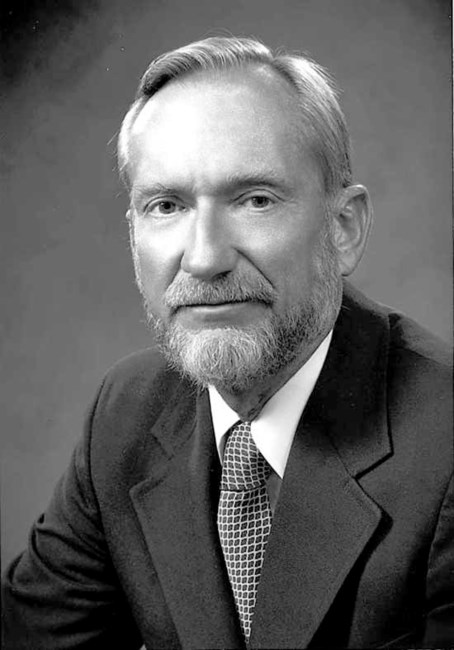
Edwin Dennis Kilbourne, a pioneering physician and scientist, and one of the world's leading authorities on influenza, died Monday in Branford, Conn. The longtime Ridgewood resident was 90. A leader in biomedical science, Dr. Kilbourne devoted his professional life to the study of infectious diseases and created the first genetically engineered vaccine for the prevention of human disease for influenza. A member of the National Academy of Sciences and the American Philosophical Society, Dr. Kilbourne created the first swine flu vaccine in 1976 and was a pioneer in understanding the structure and genetics of influenza virus. Dr. Kilbourne created influenza vaccines by recombining new strains with a fast-growing, standard laboratory strain, forming a hybrid that became the prototype and eventually the standard for influenza prevention vaccines. "He had a remarkable, full life," said his son Chris. He worked "extremely hard," his son said, but never at the expense of life and family. Dr. Kilbourne lived in Ridgewood from the late 1920s through the mid-1980s. Even after he moved to Connecticut, he would drive down to bowl with the Ho-Ho-Kus Men's Bowling League, to which he belonged for more than 35 years. Born in Buffalo, N.Y., on July 10, 1920, Dr. Kilbourne spent his early childhood in the Dominican Republic, where his father was an executive with, and later chairman of, the West Indies Sugar Corp.oration. A 1938 graduate of Ridgewood High School, Dr. Kilbourne graduated from Cornell University in 1942 and Cornell Medical College in 1944. The U.S. Army veteran joined the staff of the Hospital of the Rockefeller Institute, where he studied human viral disease and respiratory ailments. Dr. Kilbourne turned his attention to influenza research at Rockefeller. He later became a professor of medicine and director of the Division of Infectious Disease at Tulane Medical School in New Orleans, where he met his wife of 58 years, Joy Schmid Kilbourne. Dr. Kilbourne returned to Cornell, serving for 14 years as professor of public health and director of the Division of Virus Research. He joined the staff of Mount Sinai Medical School in 1969 and was the founding chairman of the Department of Microbiology. A Distinguished Service Professor at Mount Sinai, Dr. Kilbourne continued his research at New York Medical College as a research and emeritus professor. A member of the Association of American Physicians, Dr. Kilbourne served on advisory committees to the National Institutes of Health, the Centers for Disease Control and Prevention and the U.S. Food and Drug Administration's Center for Biologics Evaluation and Research. He developed and chaired a series of published workshops on influenza in the late 1970s for the NIH. Less than a decade ago, Dr. Kilbourne — an avid writer, author, musician and tennis player into his octogenarian years — collaborated with the pharmaceutical industry on an experimental influenza vaccine that offered significantly longer protection than the standard one to two years. A recipient of the National Institutes of Health Career award in 1961, Dr. Kilbourne was given the NIH's Dyer award in 1973 and the Borden Award of the Association of Medical Colleges for outstanding research in medical science in 1974. He received the Award of Distinction from Cornell Medical College in 1979 and the New York Academy of Medicine Award in 1983. In addition to his wife, Joy of Madison, Conn., Dr. Kilbourne is survived by a sister, Sylvia Hosie of Northport, N.Y.; a half-sister, Lynn Norton of North Westchester, Conn.; four sons, Edwin of Dunwoody, Ga., Paul of Branford, Conn., and Richard and Christopher, both of Madison, Conn., and eight grandchildren. He was predeceased by a brother, Philip. A memorial service is planned for the spring.
Show your support
Add a Memory
Share Obituary
Get Reminders
Services
SHARE OBITUARYSHARE
- GET REMINDERS
v.1.18.0