
OBITUARY
Robert Lee Casper Sr.
September 20, 1936 – January 16, 2026
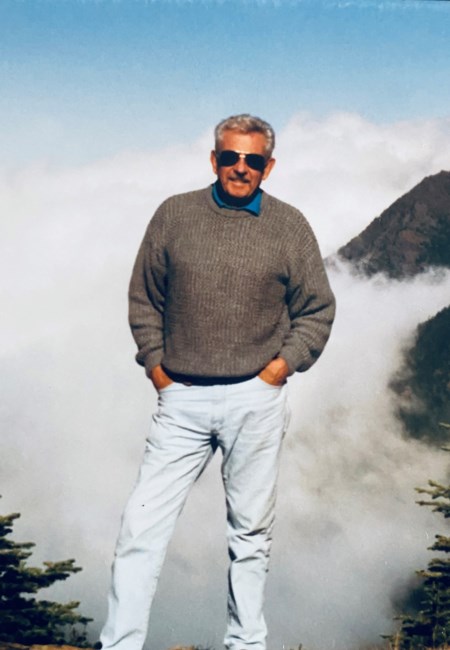
Robert “Bob” Lee Casper Sr.
20 September 1936 – 16 January 2026
Robert “Bob” Lee Casper Sr., cherished husband, father, grandfather, son, brother, uncle, educator, coach, and mentor, passed away peacefully on 16 January 2026, at the age of 89. Born in Little Rock, Arkansas, and the eldest of six children, Bob grew into a steady, compassionate leader whose kindness, humor, and integrity shaped every chapter of his life.
Bob proudly served in the U.S. Army Medical Corps. Stationed at the Pentagon in Washington, D.C., he also deployed to Chile to provide medical support after a devastating earthquake—an experience that deepened his lifelong commitment to service and care for others. During his time in Washington, he met the love of his life, Sandi, who was completing her nursing education at Washington Hospital Center in Washington, D.C. After they married, they moved to California, where they began their family and built a life centered on education, mentorship, and community.
With Sandi’s unwavering encouragement, Bob pursued higher education with remarkable determination—especially notable as he navigated dyslexia at a time when few supports, interventions, or accommodations existed. He earned degrees from Citrus College, California State University, Los Angeles, and California State University, Long Beach, ultimately completing two master’s degrees. A Rosemead High School noted athlete and graduate, Bob transformed perseverance into purpose and lifelong learning for the countless students he would inspire.
Bob’s lifelong love of athletics—especially football—was woven into every stage of his life. His athletic journey began at Citrus College, following a highly successful tenure at Rosemead High School, where his talent, determination, and competitive spirit quickly set him apart. Although academics did not always come easily to him, his performance in athletics was exceptional. He earned a place on the All‑Conference Team in the South Central Conference and won the Decathlon, setting a Citrus College record in 1957—a remarkable achievement that reflected his strength, versatility, and perseverance.
Following his time at Citrus, Bob served proudly in the U.S. Army, where he continued playing football. His natural leadership, toughness, and passion for the sport were unmistakable, and he became a respected figure among his fellow servicemen both on and off the field.
After completing his military service, Bob returned to his studies and continued playing at the collegiate level for California State University, Los Angeles. During what became one of the most memorable seasons of his athletic life, an injury sidelined him just before the championship game. Although he was deeply disappointed to miss the opportunity to take the field with his teammates, his love for that team—and for the game of football itself—never faded. The setback did not define him, nor did it end his football journey. Instead, it strengthened his resolve and reminded him why he loved the sport. And it would not be his last chance to play the game that had shaped so much of his life.
His commitment to the game extended beyond college as he went on to play for a semi‑pro football team, testing his skills among seasoned athletes who shared his competitive spirit. Bob even attended tryouts for the Los Angeles Rams, pursuing the dream of playing at the professional level before ultimately turning his focus toward what would become his true calling: teaching and coaching young athletes.
These experiences—Army football, college ball, semi‑pro competition, and training with aspiring pros—shaped his deep understanding of the sport and enriched the wisdom he later brought to generations of high school and community college athletes. His players didn’t just learn plays or drills from him; they absorbed the values football had taught him throughout his life: perseverance, teamwork, accountability, and heart.
Bob’s teaching and coaching career began at Winnemucca High School in Nevada, where he first stepped into the dual roles that would define his life: educator and mentor. Upon returning to California, he taught science and health and coached football, basketball, wrestling, and track & field at Arroyo High School, South El Monte High School, and Wilson High School. He later brought his knowledge and leadership to the collegiate level, coaching at Pasadena City College and Rio Hondo College.
Bob also spent several meaningful seasons as Head Football Coach at Western Christian School, then located in West Covina, California. His time there left a deep and lasting impression on him—not only because of the school community, but because of the athletes whose lives he touched and who, in turn, touched his own. The relationships he built during those seasons stayed with him for decades.
His many years as head football coach at Mountain View High School became the heart of his coaching legacy. For generations of students, he was simply “Coach Casper”—a steady, trusted mentor who believed in young people long before they believed in themselves. He navigated the complexities of high school athletics with unwavering integrity, always keeping his focus on the well‑being of students. Whether in a classroom, on the field, or in the quiet moments of guidance that happen between whistles, Bob saw each young person’s potential and dedicated himself to helping them realize it.
It became something of a beloved family story that Bob kept team photos from every school he coached at displayed proudly somewhere in his home. Even as dementia began to challenge him in his later years, he could point to those photos and recite the names of his players, remembering their positions, their strengths, and often a meaningful moment they had shared. Football—and the young men he coached—had a remarkable way of bringing him back to himself on difficult days.
But Bob’s impact extended far beyond wins, losses, and X’s and O’s. As an athletic director and later an activities director, he learned firsthand how high school policies, administrative politics, and district priorities could sometimes overshadow students' needs. Long before the word “ally” gained its modern meaning, Bob lived it. He advocated for students and student‑athletes who often had no one else speaking on their behalf. When bureaucratic decisions threatened to harm students' opportunities, he never hesitated to step in—listening, advising, protecting, and ensuring that young people were not lost in the system.
He worked closely with families who struggled financially, often going far beyond the expectations of any teacher or coach. Bob quietly found ways to help his athletes access healthy meals, stable routines, and a sense of purpose beyond athletics and academics. Whether it meant finding them a ride home, making sure they had clean clothes, or connecting them with resources, he understood that a young person’s success began with meeting their basic needs. He believed deeply that athletics could change lives—but only if a student first felt safe, supported, and seen.
Bob also navigated the challenges of district‑level ethics and leadership decisions with unwavering integrity. When directives came down that conflicted with what he believed was right for students, he did not simply accept them. He was known for quietly, firmly standing up for young people—helping them stay focused, hopeful, and protected from the turbulence adults often created around them. His colleagues respected him for his honesty; his students loved him for his loyalty.
Through every role—teacher, coach, athletic director, activities director—Bob centered the humanity of the young people he served. His former athletes often shared that he taught them far more than the rules of the game: he taught them responsibility, resilience, compassion, and the power of believing in one’s own potential. For Bob, education was never about titles, trophies, or external praise. It was about shaping lives, building character, and making sure every student knew they mattered.
Beyond the classroom and sidelines, the family’s years in Temple City, California, were defined by faith, friendship, and a spirit of service. Bob and Sandi were active in their local church, where they joined the Adults with Families group, shared fellowship at picnics and holiday gatherings, and helped with programs that knit the congregation together. The rhythms of that season became treasured memories: getting dressed for Sunday school, attending Christmas Eve services late on a cool California December night, and waking before dawn for Easter sunrise services to welcome the light as part of a community of believers.
Bob’s (and Sandi’s) commitment to youth thrived in those years. With their sons, they invested countless hours in Cub Scouts—pinewood derbys, pack meetings, campouts, and neighborhood service projects that taught skills and character in equal measure. He also joined the YMCA Indian Guides, embracing father‑son time around crafts, storytelling, and community events that made childhood feel big and bright.
A highlight each year was the Temple City Camellia Festival, when the boys’ groups built their own camellia‑covered floats for the parade down Las Tunas Drive. Bob put in as many float‑decorating hours as a teacher and football coach could, turning a neighbor’s garage into a workshop lined with paint, cardboard molds, and every variety of camellia creation they could imagine. On parade morning, wearing their Indian Guide outfits, Bob and his sons helped push their float and toss candy to cheering neighbors lining the route—simple, joyful moments that became part of the family’s story.
Note on cultural context: The YMCA Indian Guides program—later renamed—has since been recognized as culturally inappropriate. The family remembers participating at the time as one of the few father‑son programs available, with the intention of building closeness and community, and they acknowledge today’s understanding and the importance of respecting Native cultures.
Temple City also meant sports every season. The boys played for the National Little League—Cubs, as well as youth soccer and youth football, but with Bob’s other coaching commitments, it's hard to be in two places at once. Still, he found time to give expert advice, cheer, and quietly organize the details that help his boys succeed. Weeknights were for practices and gear checks; Saturdays for games, orange slices, and Gatorade. With a big assist from Sandi, they made it work. Bob believed sports could shape character—teaching perseverance, teamwork, and accountability—and he loved nothing more than watching his sons grow through the joy and challenge of competition.
Looking back, what stands out most are the small, steady things: church pews shared side by side; the buzz of a full park with every field full of players, the anticipation of a brisk parade morning; the warmth of neighbors looking on as waving camellia petals glued to floats transformed into fanciful creations. For Bob, Temple City was where family life took root—faith at the center, service at the edges, and a community that felt like home.
Bob invested deeply in youth through Scouting. He served as Assistant Scoutmaster for Temple City Boy Scout Troop 174, bringing his love of the outdoors and mentorship to countless weekends and summer treks. Though Bob himself only achieved the rank of Tenderfoot, he took tremendous pride in supporting his sons’ Scouting journeys—one earning the rank of Eagle Scout, the other attaining the rank of Life Scout, the second-highest rank. Their accomplishments in Scouting were an immense source of joy, pride, and fulfillment for him.
Bob’s love of the wilderness began long before Scouting and only deepened through it. He delighted in occasional downhill snow skiing trips here and there in the western states. A bird hunting trip or two with his cousins. As well as week‑long packing trips and weekend hikes across the San Bernardino Mountains, overlooking the Los Angeles basin, and summiting many of their peaks. He later assisted with guided deep backcountry treks with Scouts into the Sierra Nevada, including reaching the summit of Mount Whitney three times, the highest peak in the contiguous United States, with his sons. Those trails, lakes, peaks, and star‑filled nights were among his happiest places—where he taught perseverance, preparedness, teamwork, and wonder. Often reflecting and knowing that these wild spaces are like a sort of church for himself.
His outdoor adventures extended to the water. Bob enjoyed memorable fishing trips with his sons, many other family and friends, catching large salmon and other species in the West, navigating narrow roads alongside steep, dark forested mountains, and opaque yet vibrant milky, turquoise-blue water of glacier runoff, all in anticipation of great catches and fishing stories that defy believability. Only later to find the matching majesty of sparkling blue salted waters of the Atlantic coast of Florida for shark fishing when his sons were adults. Not only catching the family’s fill of delicious seafood, but also taking the fishing derby prize on at least one trip out. These adventures became treasured family stories, remembered with laughter, pride, and deep affection.
After decades in Temple City, Bob and Sandi began a cherished chapter in Sisters, Oregon, where they built their dream home and enjoyed 14 years of what they lovingly called “perfect retirement.” Surrounded by pines and mountain views, Bob continued mentoring youth as a volunteer coach at the high school and middle school in Sisters, OR. They later moved to Meridian, Idaho, to be closer to family in the Boise and Twin Falls areas—never missing a chance to cheer at Boise State football home games. In their most recent years, they made their home in Central Florida to be near family, joyfully following their grandchildren’s sports and activities both in person and online. From his grandson Cody’s CIF Football Championship win (Monrovia HS 2010), to his eldest granddaughter Jessica’s CIF Volleyball Championship win (Temple City HS 2023) and from granddaughter Jullia making 1st team all league defensive player (Temple City HS 2025) to his youngest granddaughter's AAU National Division Volleyball Championship win and VIP award (Winter Park Club Volleyball 2023) - he was almost always on verge of tears of joy over their successes.
Bob is surpassed in death by his parents, Marvin Vincent “Bob” and Julia Geraldine, his sister, Fransis Kay, and his brothers, Tommy and Jim. He is survived by his sisters Deedee and Mary Lou, his loving wife, Sandi; his sons, Bob Jr. (Grace) and David (Asami); and five grandchildren, who brought him endless joy. He will be deeply missed and lovingly remembered by the students, athletes, colleagues, Scouts, neighbors, friends, and family whose lives he touched with encouragement and care.
If you are able, please share any pictures and a story so we can save and cherish them.
Visitation & Funeral Service
Date: Saturday, 25 January 2026
Location: Baldwin‑Fairchild Goldenrod/Winter Park Funeral Home
Address: 7520 Aloma Ave, Winter Park, FL 32792
Visitation: 1:00 PM – 2:00 PM.
Funeral Service: 2:00 PM – 3:00 PM.
Memorial Contributions
In lieu of flowers, the family invites contributions to:
The Robert L. Casper Memorial Fund
California State University, Long Beach
Honoring his lifelong devotion to education, mentorship, and community service. Services will be live streamed on Facebook Live.
Show your support
Add a Memory
Share Obituary
Get Reminders
DONATIONS
Past Services
Visitation
Funeral Service
SHARE OBITUARYSHARE
- GET REMINDERS
v.1.18.0