OBITUARIO
Margarita Inocenta Dans
28 diciembre, 1930 – 17 enero, 2026
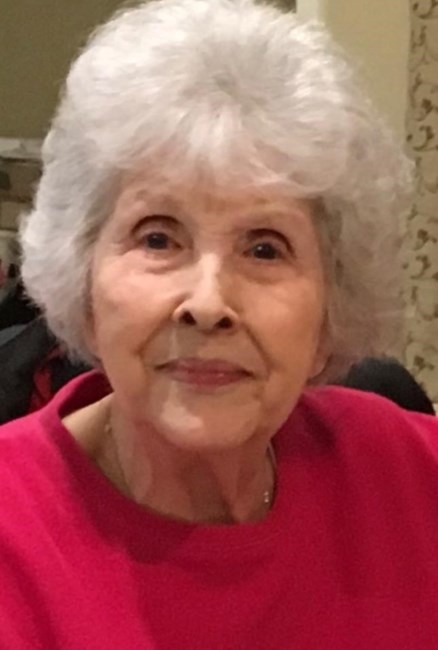
On January 17, 2026, our beloved mother (Mami) and grandmother (Abuela) Margarita Inocenta Dans died peacefully in her sleep having just turned 95 years of age on December 28. She was preceded in death by her husband, Nestor Lazaro Dans, her younger sister, Gisela Camacho, her mother, Ofelia Gonzalez-Camacho, her youngest sister, Ofelia Napoles, and her father, Manuel Camacho. She is survived by her son, Nestor Felipe Dans, daughter in law, Beverly Dans, daughter, Maritza Dans, and granddaughters Ariana Dans and Cristina Dans.
She and our father (Papi) shared a remarkable life that embodied hard work, sacrifice, perseverance, tragedy, loss, optimism, success, humility., and love – mostly love. We could not write an obituary at the time of his death because their lives were so intertwined we felt we were leaving a portion of his story untold. Mami would often joke that they had become one person. A short essay cannot capture all the details that made them so special, but I am certain that everyone they encountered recognized a unique indescribable quality in them.
Born in Havana, Cuba in 1930 during the Great Depression, Mami had very humble beginnings in a life of poverty. She lived in a Catholic Orphanage with her younger sister for many years as her parents could not afford to care for them. She was reunited with her family in her young teenage years. After attending University, she was employed at the Banco del Caribe (Bank of the Caribbean) in Havana as a bookkeeper. A chance encounter with a bank accountant at a non-functioning dumbwaiter led to a nearly seventy-year marriage. Papi was immediately smitten by her beauty, grace, and personality. He too was born during the Great Depression and endured many hardships during his youth.
They married on December 23, 1953, and welcomed a daughter in 1955 and a son in 1958. They devoted themselves to their young family. Papi always joked that he wanted to have nine children so he could manage a baseball team. But their family plan was interrupted by the Castro revolution in Cuba. After several failed attempts, they took one of the last flights to Miami in December 1961. They left their extended family, careers, friends, and all belongings except the clothes they were wearing and immigrated to the United States as Cuban Refugees. Papi was 32 and Mami was 31. I did not appreciate how difficult a decision this must have been for them until I turned 30. They left behind everything and everyone they loved and risked their lives for a chance at freedom and a better life for the benefit of their children. They learned a new language, worked multiple manual labor odd jobs, and established a new life. Mami called upon her sewing skills to make our clothes by hand and make a little money on the side. They remained optimistic and persevered through hard times. In those days, limited opportunity existed in Miami due to the large numbers of Cuban refugees. As if they weren’t challenged enough, our borrowed car was hit from behind by a drunk driver one rainy night. Mami and I were thrown from the car and severely injured. Papi and my sister were fortunately spared. After multiple weeks of hospitalization and an onslaught of bills we couldn’t afford to pay, my parents decided to move to New Orleans for a better opportunity. In 1964 we arrived in New Orleans and survived in government housing eating government cheese and grits, baloney and jelly sandwiches, and the occasional raw egg for protein. By this time my parents could speak enough English to work in their chosen professions. Papi found work as an accountant. Our lives slowly improved. My parents instinctively functioned as a team and supported each other. Mami did her part by caring for us, cooking, cleaning, sewing our clothes, and saving as much as she could. She showed us how even the smallest abode can be a clean, loving home. Despite being very poor, we were never aware of our circumstances. Our little family thrived in New Orleans and eventually owned a home, a car, helped bring a large portion of our family from Cuba and supported them until they found their way.
Papi eventually started his own accounting practice from home and built an office attached to our house. He served many clients and provided bookkeeping services and income tax preparation. His office employed all of us in some capacity, including my Abuelita (Grandmother) who made Cuban coffee for the clients. My parents took us on trips to different places around the world once per year. They wanted us to have these experiences because, having endured so much loss when they left Cuba, they fully understood that memories and experiences cannot be taken away. My parents served their clients for over 33 years before being forced to close by Hurricane Katrina in 2005. They lost their home in the flooding that followed the hurricane. Once again, they lost everything and had to start their lives anew.
At this point, I was living in West Virginia with a family of my own and a busy surgical practice. I built an addition to our home and moved them in with me. Upon arrival in Charleston, they quickly adjusted to their new surroundings and made many friends. They made their rounds to the bank, the pharmacy, the grocery store, and the post office. They applied such a personal touch and charm to every interaction that they soon came to be greeted like celebrities at each place. Finally retired, they focused on helping others in need and donated generously to many causes. Mami was laid to rest on January 26 at Lake Lawn cemetery in New Orleans, reunited with her loving husband.
Now that they are gone, they will be missed immensely by all who knew them. In fact, the sun seems a little less bright because of their absence. Papi and Mami always tried to instill in us how fortunate we were to be born a “Dans” and showed us by example how to turn tragedy into opportunity, to work hard, to remain humble, to be thankful for all the little things, and most of all, never to underestimate the power of love.
Muestre su apoyo
Comparta Un Recuerdo
Comparta
Un Obituario
Obtenga actualizaciones
COMPARTA UN OBITUARIOCOMPARTA
- RECIBIR RECORDATORIOS
v.1.18.0