
OBITUARY
Vladimir Rasshivkin
January 2, 1941 – May 11, 2026
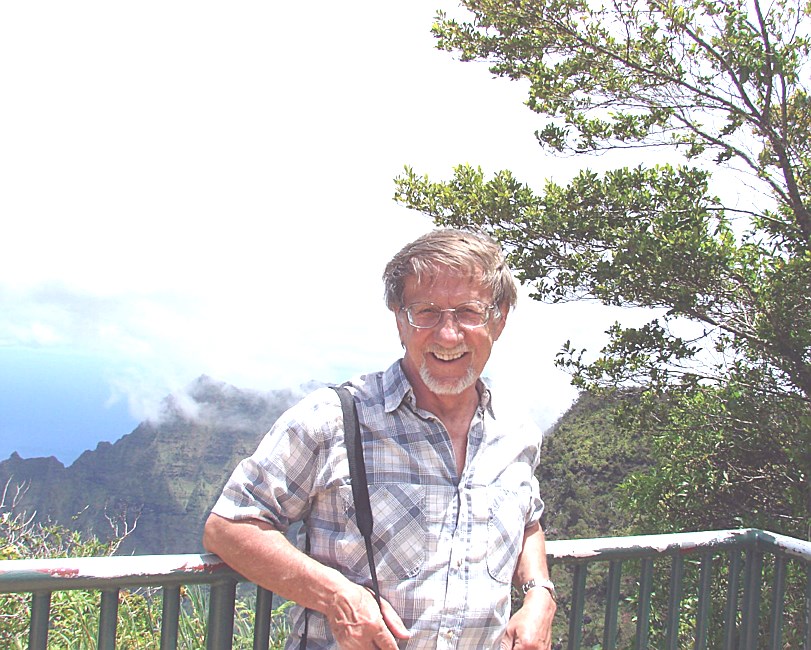
Vladimir Rasshivkin was born on January 2, 1941 in Baku, Azerbaijan. His childhood was marked both by lack and love. His father went to war when he was 5 months old. He lost his father during the war, when he was 3 years old, and his mother writes to family of the struggle to feed her son during his early years. Still, Vladimir always remembered his childhood glowingly, and Baku probably remained for him the best place in the world. He loved and was loved by his family and the other children in his community. He was introverted, curious and athletic. He devoured books, developed a deep love for chess that he would practice for the rest of his life, and excelled in swimming and gymnastics, was in Azerbaijan national junior swimming team end even became a champion in one of the competitions.
Vladimir grew into a capable, dutiful and good-natured man. He was drafted to the Soviet army when he was 19. He moved to Saratov after discharge, graduated from Saratov Polytechnical College specializing in mechanical engineering and had a successful career. He continued to practice sport like fencing and classical wrestling. He bought a small boat and loved little more than spending time on the water fishing or with his dog, Ralph. He took up a lifelong interest in photography. And he was also always a city man, with a deep appreciation for classical music, theater and fine art that he'd had since adolescence.
He raised a family, then remarried and raised another. In 1993, they immigrated to the United States. He didn't know a word of English, or, due to the censorship of the Soviet Union, a thing about the country. At first they survived on housecleaning. Eventually he got a job as a security guard at the Cleveland Museum of Art, and soon became respected as one of their best, and enjoyed a fond relationship with the director of this, one of the best museums in the world. When he was on the night shift, he would wander the empty galleries and admire the artwork. And he took as much pride in this job as he did in managing mechanical engineers in the USSR.
Over time, he came to embody the American dream. He and his wife learned to drive, bought a car, bought a house, got a dog. Eventually, they travelled to more countries than one could keep track of. He saw so many things in this life that he never could have imagined. Everywhere he has taken many photographs and developed his interest to creating videos.
In his later years, Vladimir continued to be as active as his health conditions allowed him to be.
He is survived by his wife, two daughters, three grandkids and a great-granddaughter, who will forever cherish him, carry on his memory and spirit, and remember him as dutiful, wise, silly, good-natured and cultured
Show your support
Add a Memory
Share Obituary
Get Reminders
Services
SHARE OBITUARYSHARE
- GET REMINDERS
v.1.18.0